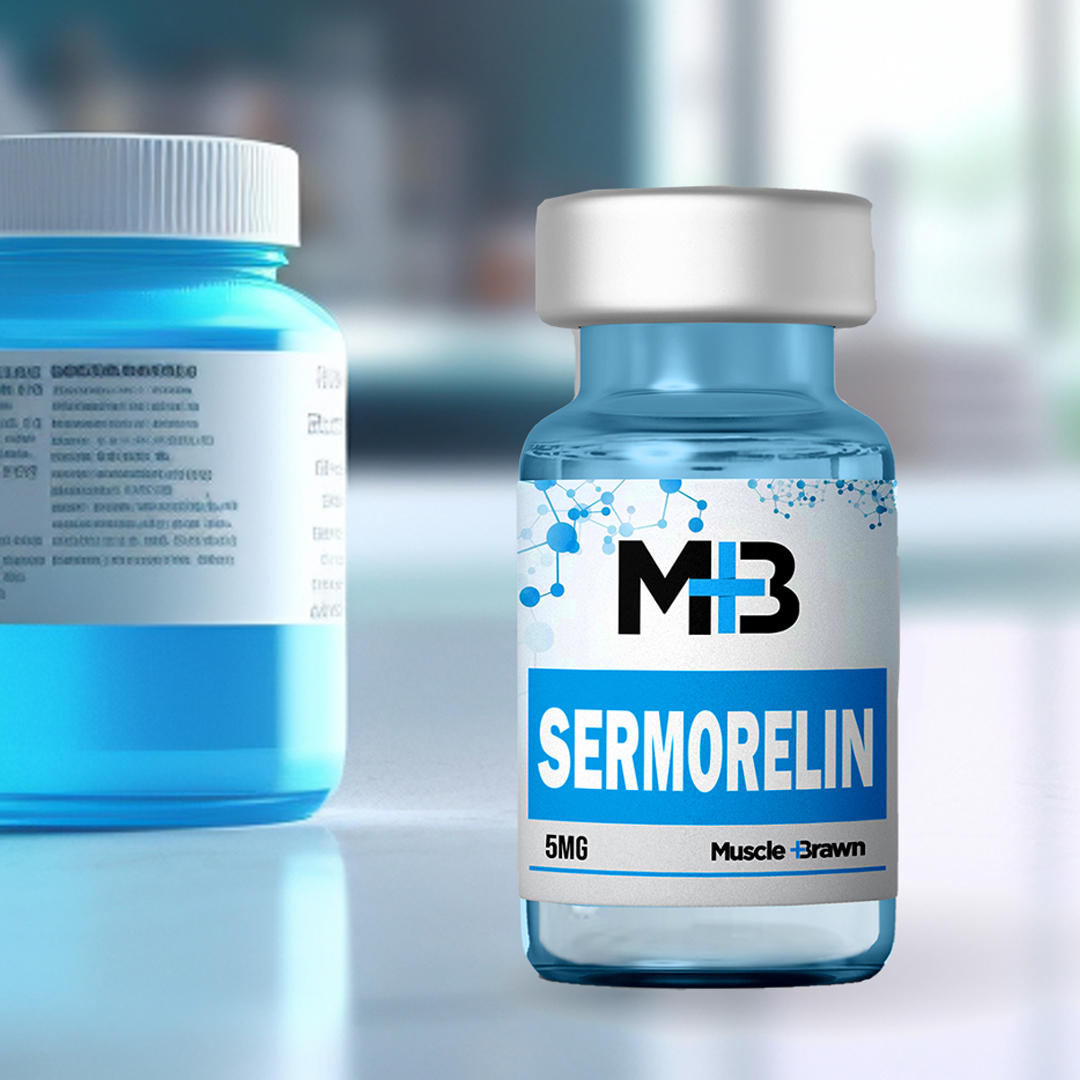
Sermorelin vs. Ipamorelin: Unveiling the Differences in Peptide Therapies
TABLE OF CONTENTS

In the realm of health and wellness, peptides are garnering attention for their potential to rejuvenate and improve well-being. Among these, sermorelin and ipamorelin have surfaced as two prominent options, each offering distinct benefits. Understanding the nuances of sermorelin vs. ipamorelin can help individuals make informed decisions tailored to their personal health goals.
Understanding Sermorelin
Sermorelin is a synthetic peptide analog of growth hormone-releasing hormone (GHRH). Its primary function is to stimulate the pituitary gland, prompting the natural release of human growth hormone (HGH). Traditionally, it has been associated with benefits such as improved sleep quality, enhanced muscle growth, increased energy levels, and better immune function.
One of the advantages of sermorelin lies in its indirect method of boosting HGH production. By encouraging the body to produce HGH naturally, the risk of desensitizing the pituitary gland is reduced. This makes it a viable long-term option for those seeking gradual and sustained improvements in their health.
Pinpointing Ipamorelin
Ipamorelin, on the other hand, is recognized for its ability to mimic ghrelin, a hormone known to trigger growth hormone release. It is considered a growth hormone secretagogue and is noted for its high specificity and effectiveness in elevating HGH without significantly impacting other hormones like cortisol or prolactin. This characteristic distinguishes ipamorelin as a favored choice among athletes and bodybuilders due to its ability to facilitate muscle growth and fat loss.
Furthermore, ipamorelin’s minimal side effects make it appealing to users who prioritize safety and efficacy. As with sermorelin, the gradual increase in growth hormone levels achieved through ipamorelin usage aligns with natural physiological processes, offering a balanced approach to hormone supplementation.
Sermorelin vs. Ipamorelin: Key Differences
When comparing sermorelin vs. ipamorelin, several critical differences emerge:
-
- Mechanism of Action: While sermorelin acts as a GHRH analog to promote endogenous HGH release, ipamorelin mimics ghrelin to achieve similar results.
-
- Specificity: Ipamorelin is lauded for its precise targeting of the HGH release process, minimizing interference with other hormonal systems.
-
- Application: Both peptides are commonly used via subcutaneous injections, though dosage and frequency may vary based on individual goals and medical advice.
-
- Suitability: Due to its broader impact on overall well-being, sermorelin may be favored by those seeking systemic benefits, whereas ipamorelin’s selective action could be more suited to performance enhancement objectives.
Conclusion
The choice between sermorelin and ipamorelin ultimately depends on individual preferences and health objectives. While sermorelin offers a comprehensive approach to general health enhancement, ipamorelin’s precise hormone stimulation appeals to those focused on athletic performance and physique optimization. Consulting with healthcare professionals can provide tailored insights, ensuring that whichever peptide is chosen aligns with one’s health journey.
FAQs
What is the primary difference between sermorelin and ipamorelin?
Sermorelin primarily stimulates the pituitary gland to produce more HGH, while ipamorelin directly mimics ghrelin to trigger growth hormone release.
Are there any common side effects?
Both peptides are generally well-tolerated, but potential side effects include temporary injection site reactions and mild headaches.
Can both peptides be used simultaneously?
It’s crucial to consult a medical professional before combining peptides to ensure effectiveness and safety.
How are sermorelin and ipamorelin administered?
Both are typically administered via subcutaneous injections, often recommended several times a week.
For further reading on peptide therapy, visit WebMD for a comprehensive guide on peptides or explore Healthline for insights into the benefits and risks associated with HGH therapies.
BIG SALE | FAST SHIPPING
HOT PROMOTIONS!


CROWX 👑 CLOMIROW 50 Mg / 50 Tabs ( Clomid )
Original price was: $ 79.00.$ 69.00Current price is: $ 69.00.


Sermorelin and ipamorelin are both peptides used to stimulate the release of growth hormone, but they differ in their mechanisms and specific effects. Sermorelin is a growth hormone-releasing hormone (GHRH) analog, which means it mimics the naturally occurring GHRH to stimulate the pituitary gland to produce and release more growth hormone. This approach is often considered closer to the body’s natural hormonal regulation processes. Conversely, ipamorelin is a growth hormone secretagogue, which selectively stimulates the pituitary gland by mimicking ghrelin, a hormone that promotes the release of growth hormone without significantly affecting other hormones like cortisol, often associated with stress. Both compounds are used in various therapeutic contexts to promote muscle growth, increase bone density, enhance recovery, and improve overall vitality in individuals with growth hormone deficiencies or aging-related concerns. However, the choice between sermorelin and ipamorelin depends on individual health goals, existing medical conditions, and professional medical advice, as the peptides may have distinct impacts on endocrine function and side effect profiles.