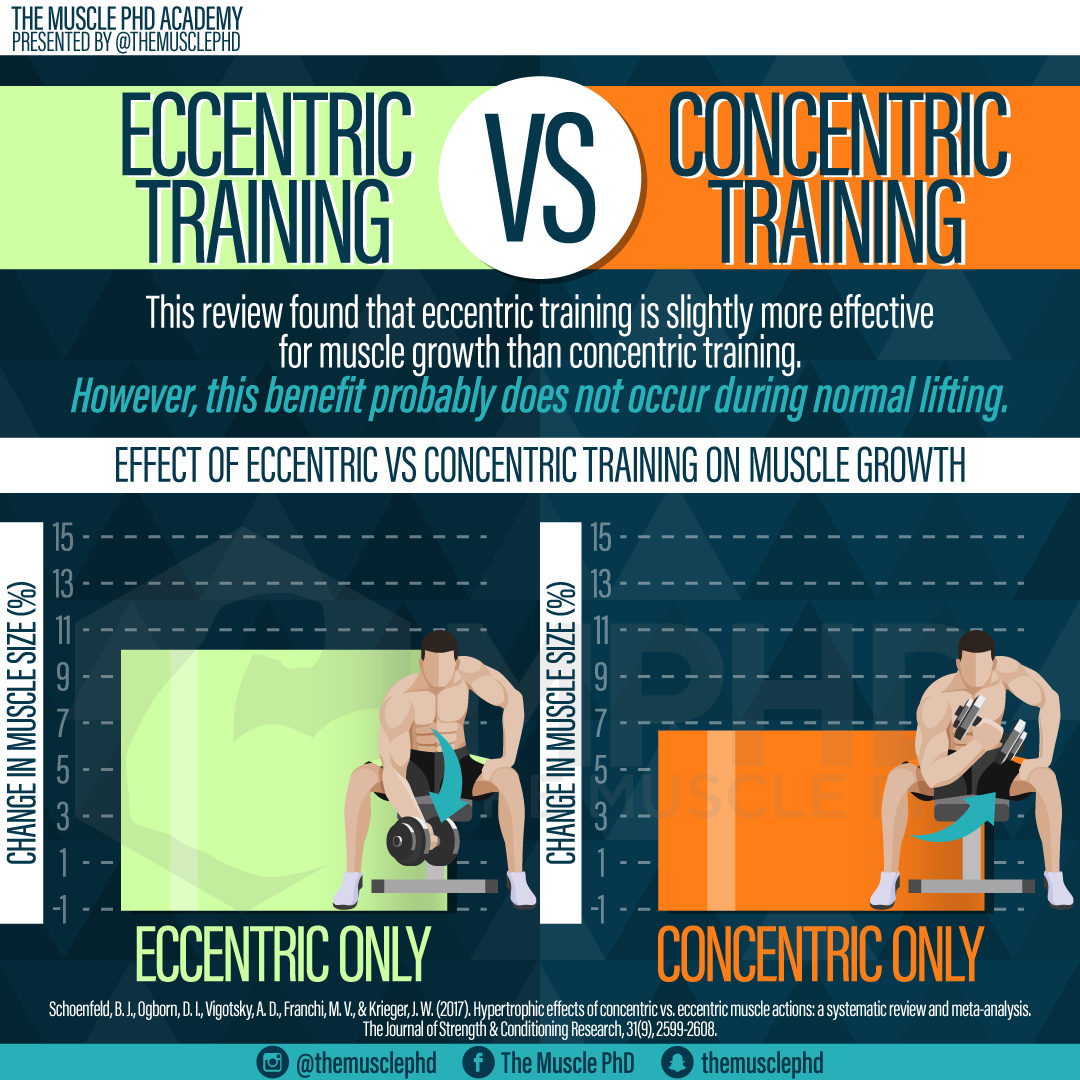


Common Causes of Pain During Shoulder Exercises.
Frequently Asked Questions About Shoulder Exercises and Pain
1. Why Do I Experience Pain During Shoulder Exercises?
Shoulder pain during exercises can result from various causes such as improper form, overuse, or underlying medical conditions like tendonitis or bursitis. Ensure you warm up properly and maintain correct posture during your workouts. If pain persists, consulting a healthcare professional is advisable.
2. What Are the Common Mistakes That Lead to Shoulder Pain During Workouts?
Common mistakes include lifting too much weight too soon, neglecting warm-ups, having poor technique, and not allowing adequate time for recovery between workout sessions. Addressing these can significantly reduce the risk of pain.
3. Should I Stop Exercising If I Experience Shoulder Pain?
If you experience acute shoulder pain, it’s best to stop the exercise and rest. Continuing could exacerbate the injury. Applying ice and using over-the-counter pain relief may help. If the pain doesn’t improve, seek medical advice.
4. How Can I Prevent Shoulder Pain When Exercising?
To prevent pain, ensure your workout routine includes a balanced range of exercises targeting all shoulder muscles. Maintain proper form, increase weights gradually, and incorporate regular stretching and strengthening exercises.
5. Are There Specific Exercises That Can Help Strengthen the Shoulders Without Causing Pain?
Yes, exercises such as wall angels, scapular squeezes, and external rotations can help strengthen the shoulder while minimizing the risk of pain. These exercises focus on stabilizing the shoulder and are generally safer.
6. Can Poor Posture Lead to Shoulder Pain During Exercise?
Absolutely. Poor posture can place undue stress on shoulder muscles, increasing the risk of pain and injury during exercises. Pay attention to maintaining a neutral spine and engaging core muscles while exercising to alleviate stress on the shoulders.
7. How Important is a Warm-Up to Prevent Shoulder Pain in Workouts?
A proper warm-up is crucial as it increases blood flow to the muscles and prepares them for the stress of exercise. Skipping a warm-up can lead to stiffness and increased risk of shoulder pain.
8. How Long Should I Rest My Shoulder If I Experience Pain After Exercising?
Rest duration can vary depending on the severity of the pain. Minor discomfort might resolve in a few days, while more significant pain or injury could require weeks or even longer rest under professional guidance.
9. Should I Use Heat or Ice for Shoulder Exercise-Related Pain?
Initially, applying ice is recommended to reduce inflammation and numb the area, especially within the first 48 hours. After that period, heat can help in relaxing and loosening tissues and stimulating blood flow.
10. When Should I Seek Professional Help for Shoulder Pain Related to Exercise?
If the pain is severe, persistent, or accompanied by swelling, redness, or a reduced range of motion, it’s important to seek professional help. A healthcare professional can provide an accurate diagnosis and appropriate treatment plan.
FREE SHIPPING
CLICK HERE!
HOT PROMOTIONS!


Hgh 200 iu - 2 FREE VIALS - Fierce Pharmaceuticals

Original price was: $ 500.00.$ 449.00Current price is: $ 449.00.