
Getting Started with Bodybuilding: A Beginner’s Guide
TABLE OF CONTENTS
- 1 1. What is muscle building?
- 2 2. How do I get started with weight training?
- 3 3. What is the best diet for muscle growth?
- 4 4. How often should I work out?
- 5 5. What supplements should I take for increased muscle mass?
- 6 6. How long does it take to see results?
- 7 7. Can women benefit from weight training?
- 8 8. How can I avoid injury while training?
- 9 9. Should I combine cardio with my strength training routine?
- 10 10. How do I track my progress?
Welcome to our FAQ section, where we address common questions related to the world of muscle building and fitness. Whether you’re a beginner or a seasoned athlete, you’ll find valuable insights here.
FREE SHIPPING
CLICK HERE!
HOT PROMOTIONS!



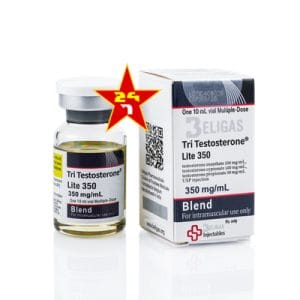
Beligas Propha Testosterone 10 vials x 1ml (Propionate) 100mg

Original price was: $ 79.00.$ 69.00Current price is: $ 69.00.


1. What is muscle building?
Muscle building is a physical process that involves using resistance exercises to develop and enlarge the muscles of the body. It is part of a lifestyle focused on physical fitness and overall well-being.
2. How do I get started with weight training?
To begin weight training, start by setting clear fitness goals. Determine whether you want to gain muscle mass, increase strength, or improve endurance. Consult with a fitness trainer to create a personalized workout plan that includes exercises tailored to your objectives. Ensure you have access to the necessary equipment, whether in a gym or at home, and focus on proper form and technique to prevent injuries.
3. What is the best diet for muscle growth?
A balanced diet is crucial for muscle growth. Aim for a high-protein diet to repair and build muscle tissue, while also including complex carbohydrates to fuel workouts and healthy fats for overall health. Incorporate a variety of foods such as lean meats, dairy products, nuts, beans, whole grains, fruits, and vegetables. Staying hydrated and timing meals around workouts can further enhance muscle development and recovery.
4. How often should I work out?
The frequency of workouts depends on individual goals, fitness level, and personal schedule. A general recommendation for muscle growth is to train each muscle group 2-3 times per week. Allow for rest and recovery days to prevent overtraining and reduce the risk of injury. Listen to your body and modify your routine if you’re experiencing fatigue or muscle soreness.
5. What supplements should I take for increased muscle mass?
While a well-rounded diet is the foundation of muscle growth, supplements can aid the process. Commonly used supplements include whey protein for muscle repair, creatine for increased strength and performance, and branched-chain amino acids (BCAAs) for reduced muscle soreness. Always consult with a healthcare professional before adding supplements to your diet to ensure they align with your health needs and fitness goals.
6. How long does it take to see results?
The time it takes to see results varies based on factors such as genetics, diet, consistency, and workout intensity. Typically, noticeable changes can occur within 8-12 weeks if a consistent workout routine and proper nutrition are maintained. Remember that building muscle is a gradual process, and patience and dedication are key.
7. Can women benefit from weight training?
Absolutely! Weight training offers numerous benefits for women, including improved strength, increased bone density, and a toned physique. Contrary to common myths, women who lift weights do not have to worry about excessive bulkiness, as they generally have lower levels of testosterone, the hormone responsible for larger muscle growth. Weight training can empower women to achieve their fitness and health goals.
8. How can I avoid injury while training?
Injuries can be minimized by using correct techniques, maintaining proper form, and starting with manageable weights. Warm up before every session, and incorporate mobility and flexibility exercises to improve performance and reduce the risk of strains. Listen to your body and don’t push through pain; rest and recovery are vital components of a successful training program.
9. Should I combine cardio with my strength training routine?
Combining cardiovascular exercises with strength training can enhance overall fitness and support muscle building. Cardio workouts improve heart health and aid in fat loss, which can help highlight muscle tone. Balance cardio and resistance exercises based on personal goals, such as maintaining cardiovascular health or achieving a lean physique.
10. How do I track my progress?
Tracking progress is essential in staying motivated and gauging the effectiveness of your routine. Keep a workout journal to document exercises, sets, repetitions, and weights used. Take regular body measurements and photos to observe physical changes. Additionally, listen to how your body feels and monitor energy levels and performance improvements in and out of the gym.
This FAQ is here to help guide you on your fitness journey and provide clarity on building the physique you desire.