Growth Hormone Hypersecretion: What You Need to Know
TABLE OF CONTENTS
- 1 FAQ about Growth Hormone Hypersecretion
- 1.1 What is Growth Hormone Hypersecretion?
- 1.2 What Causes Growth Hormone Hypersecretion?
- 1.3 What Are the Symptoms of Growth Hormone Hypersecretion?
- 1.4 How is Growth Hormone Hypersecretion Diagnosed?
- 1.5 What are the Potential Complications?
- 1.6 How is Growth Hormone Hypersecretion Treated?
- 1.7 Can Growth Hormone Hypersecretion Affect Life Expectancy?
- 1.8 Is Growth Hormone Hypersecretion Common in Bodybuilders?
- 1.9 Are There Lifestyle Changes that Help Manage Growth Hormone Hypersecretion?
- 1.10 What is the Prognosis for Growth Hormone Hypersecretion?
- 1.11 Conclusion
- 1.12 Related
FAQ about Growth Hormone Hypersecretion
What is Growth Hormone Hypersecretion?
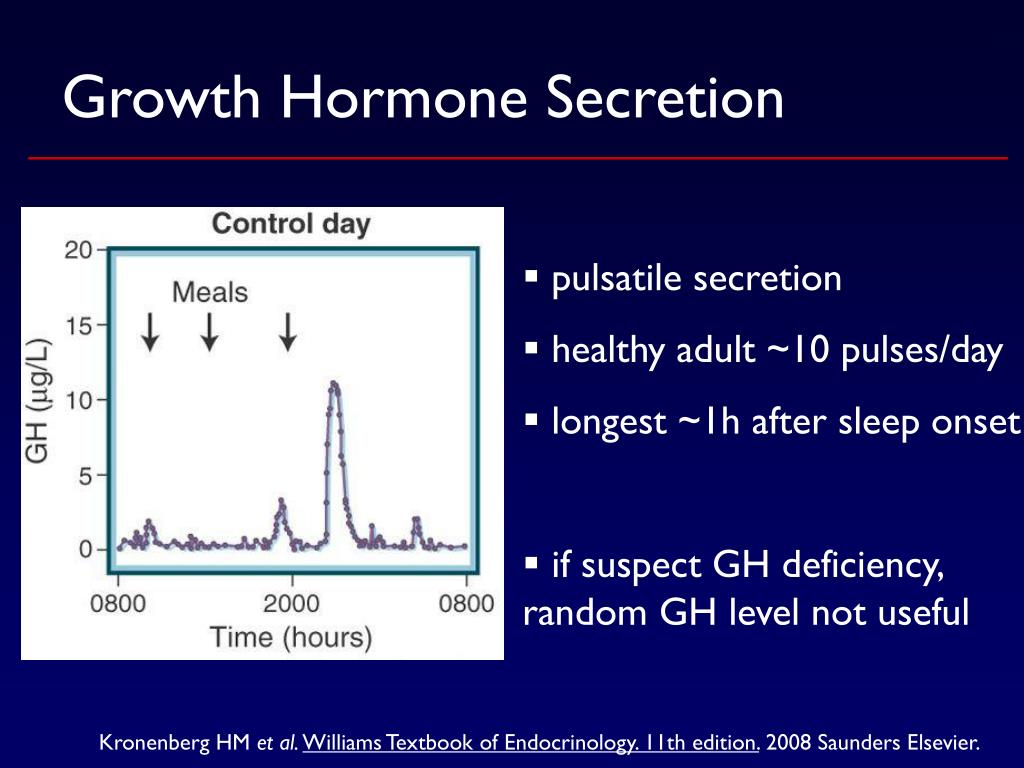
Growth hormone hypersecretion is a medical condition characterized by the overproduction of growth hormone (GH) from the pituitary gland. This can lead to various physiological effects, such as abnormal growth patterns and metabolic dysfunctions.
What Causes Growth Hormone Hypersecretion?
The most common cause of growth hormone hypersecretion is a benign tumor of the pituitary gland known as a pituitary adenoma. Other rare conditions and genetic predispositions can also lead to the overproduction of growth hormone.
What Are the Symptoms of Growth Hormone Hypersecretion?
Individuals with growth hormone hypersecretion may experience symptoms such as enlarged hands and feet, facial feature changes, joint pain, thickened skin, and excessive sweating. In some cases, patients might also observe a deepened voice and increased body hair.
How is Growth Hormone Hypersecretion Diagnosed?
Diagnosis often involves measuring the levels of growth hormone and insulin-like growth factor 1 (IGF-1) in the blood. Imaging studies like MRI may be used to detect the presence and size of a pituitary tumor.
What are the Potential Complications?
Untreated growth hormone hypersecretion can lead to complications like type 2 diabetes, hypertension, cardiovascular disease, and spinal abnormalities. The condition can also lead to joint and tissue dysfunction over time.
How is Growth Hormone Hypersecretion Treated?
Treatment options depend on the underlying cause but often include surgical removal of the pituitary tumor, medication to reduce hormone levels, and radiation therapy as a complement to surgery or when surgery is not possible.
Can Growth Hormone Hypersecretion Affect Life Expectancy?
If untreated, growth hormone hypersecretion can reduce life expectancy due to cardiovascular complications and other health issues. However, with proper medical management, these risks can be significantly reduced, improving overall prognosis.
Is Growth Hormone Hypersecretion Common in Bodybuilders?
While growth hormone abuse is known in some bodybuilding circles for increased muscle mass and fat reduction, growth hormone hypersecretion itself is a medical condition. It’s important for athletes to understand the risks associated with excessive GH levels, which can lead to serious health consequences.
Are There Lifestyle Changes that Help Manage Growth Hormone Hypersecretion?
While medical treatment is primary, individuals can also benefit from lifestyle changes such as maintaining a healthy diet and regular exercise, which can help manage insulin sensitivity and cardiovascular health. However, these should be discussed with a healthcare provider in conjunction with any medical therapies.
What is the Prognosis for Growth Hormone Hypersecretion?
The prognosis varies based on early detection and treatment. With appropriate management, individuals can lead healthy lives. It is crucial to adhere to treatment plans and follow up regularly with healthcare professionals to monitor hormone levels and any potential complications.
FREE SHIPPING
CLICK HERE!
HOT PROMOTIONS!
Hgh 100IU - Human Growth Hormone - Fierce Pharmaceuticals

Original price was: $ 299.00.$ 239.00Current price is: $ 239.00.





[ratemypost]
Conclusion
Growth hormone hypersecretion is a manageable condition with proper medical intervention. Early diagnosis and treatment are vital for improving quality of life and avoiding complications. Patients should engage healthcare providers to tailor a treatment plan suited to their specific needs, ensuring a proactive approach to their health.