How does Anastrozole work?
How does Anastrozole work in the treatment of hormone-receptor-positive breast cancer? I’ve read that it’s an aromatase inhibitor, but I’m curious about the specific mechanisms by which it reduces estrogen levels in the body and how that affects the growth of cancer cells. Additionally, what are the typical scenarios in which doctors prescribe Anastrozole, and how does its mechanism differ from other hormonal therapies used in oncology?
Answer
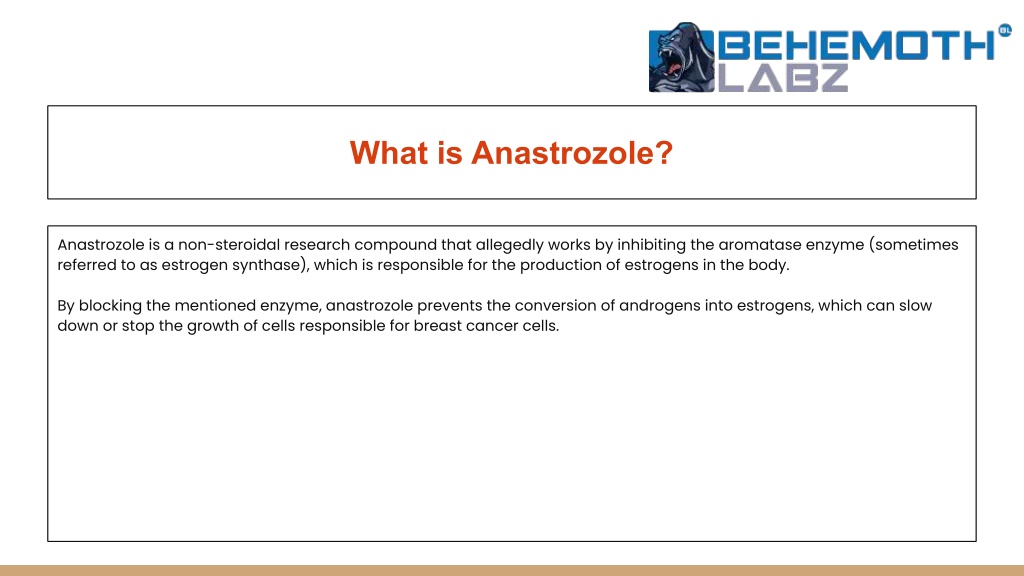
Anastrozole is a medication primarily used in the treatment of breast cancer in postmenopausal women. It belongs to a class of drugs known as aromatase inhibitors. The main mechanism of action of Anastrozole involves the inhibition of aromatase enzyme, which is responsible for converting androgens (such as testosterone) into estrogens (such as estradiol).
By inhibiting this enzyme, Anastrozole significantly reduces the levels of circulating estrogens in the body. This is particularly important in certain types of breast cancer that are estrogen receptor-positive, where cancer growth is driven by estrogen. Lowering estrogen levels can help slow down or stop the growth of these cancers.
Anastrozole is typically taken once daily in pill form and is often part of a broader treatment plan, which may include surgery, radiation, or other forms of chemotherapy. Common side effects may include hot flashes, joint pain, fatigue, and risk of osteoporosis due to decreased estrogen levels.
For patients considering Anastrozole or those currently undergoing treatment, it’s essential to have a thorough discussion with healthcare providers about the benefits, side effects, and any potential interactions with other medications.
For further information, visit:
If you are interested in learning more about our projects, check out our portfolio.