How does HCG work for weight loss?
TABLE OF CONTENTS
I’ve been hearing a lot about HCG and its role in weight loss from various sources, and I’m curious to understand it better. Specifically, how does supplementation with HCG contribute to weight loss? What are the underlying mechanisms that make it effective, and are there specific protocols or diets that are typically followed alongside HCG treatments? Also, what scientific research supports the claims surrounding HCG for weight management, and are there any potential side effects or considerations that I should be aware of if I’m thinking about trying this approach?
Answer
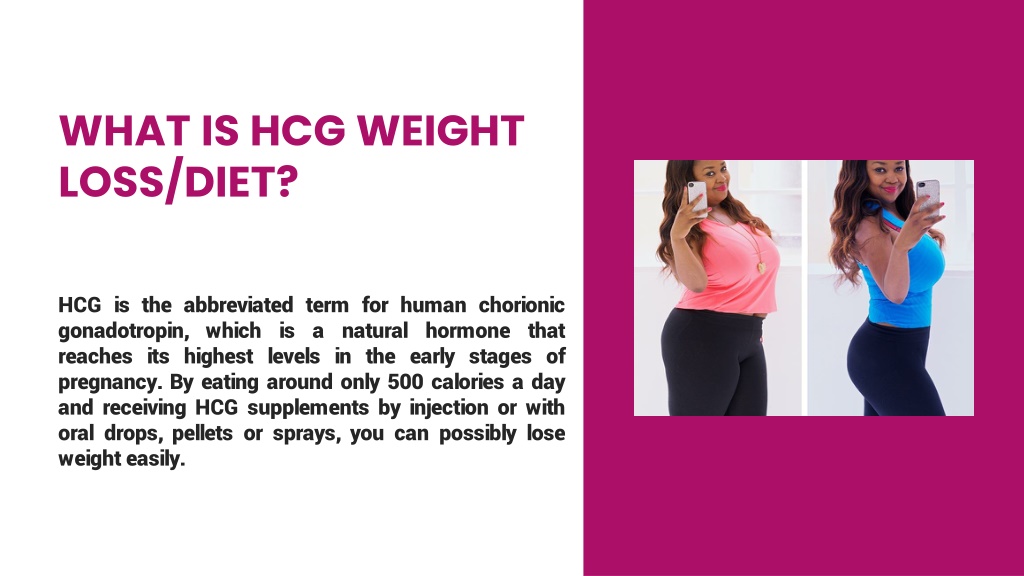
Human Chorionic Gonadotropin (HCG) is a hormone that is produced during pregnancy. It has gained popularity in the realm of weight loss, particularly through the HCG diet, a regimen that involves low-calorie intake combined with HCG injections, drops, or pellets.
Mechanism of Action:
- Hormonal Regulation: HCG is believed to assist in the caloric restriction that is part of the HCG diet. Its role can include regulating metabolism and possibly altering how the body processes fat.
- Suppression of Appetite: Some proponents of the HCG diet argue that it helps suppress appetite, making it easier for individuals to adhere to the strict low-calorie diet typical within this regimen.
- Fat Mobilization: HCG is said to promote lipolysis, the process through which fat stores are broken down and converted into energy. This could lead to the utilization of abnormal fat stores, which some claim facilitates weight loss.
- Muscle Preservation: One of the key claims of the HCG diet is that it helps to preserve lean muscle mass while individuals are in a calorie deficit. This is important, as losing muscle mass during a weight-loss program can lead to a slower metabolism.
Administration:
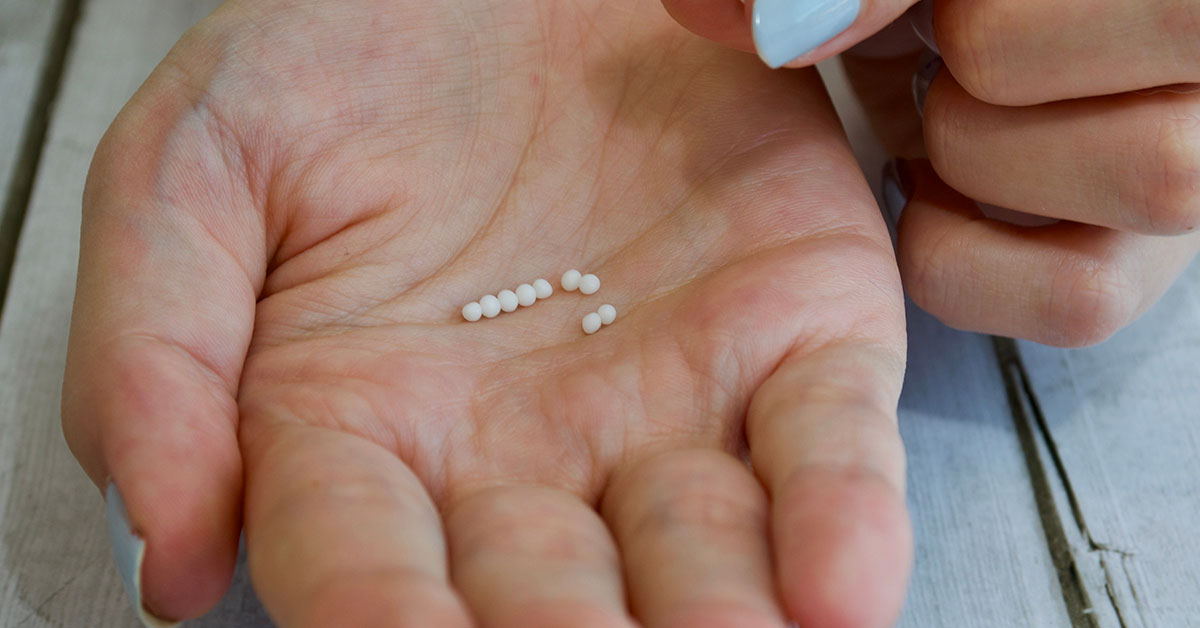
HCG can be administered in various forms—subcutaneously through injections, as an oral drop, or via pellets placed under the skin. The protocols often advocate a very low-calorie diet (typically around 500 calories per day) alongside the hormone intake.
Clinical Evidence:
The effectiveness of HCG for weight loss is debated among health professionals. The FDA has not approved HCG for weight loss, and many studies have concluded that any weight loss experienced is more likely due to the extreme caloric restriction rather than the hormone itself. Critics often argue that this method is unsustainable and may lead to nutritional deficiencies or other health issues.
Risks and Side Effects:
Using HCG for weight loss can present various risks, including:
- Potential hormonal imbalances
- Fluid retention
- Breast tenderness or enlargement in both men and women
- Mood swings
- Fatigue or weakness, often attributed to extreme caloric restriction
Conclusion:
While HCG may have some physiological actions, its efficacy for weight loss is subject to skepticism. Individuals considering this method should consult health professionals for personalized medical advice and to discuss safer, more sustainable weight loss strategies.
For further information, resources can be found at the following links:
If you want to know more about our projects, please visit our portfolio.