
How does Nolvadex work in the body?
I’ve been reading about Nolvadex, especially in the context of its use for breast cancer treatment and as a possible option for hormone-related issues. Can you explain how Nolvadex works in the body? Specifically, I’m curious about its mechanism of action at the cellular level, how it interacts with estrogen receptors, and how that impacts cancer cell growth. Additionally, I’d like to understand any effects it might have on other parts of the body and why it’s prescribed in certain situations over other treatments.
Answer
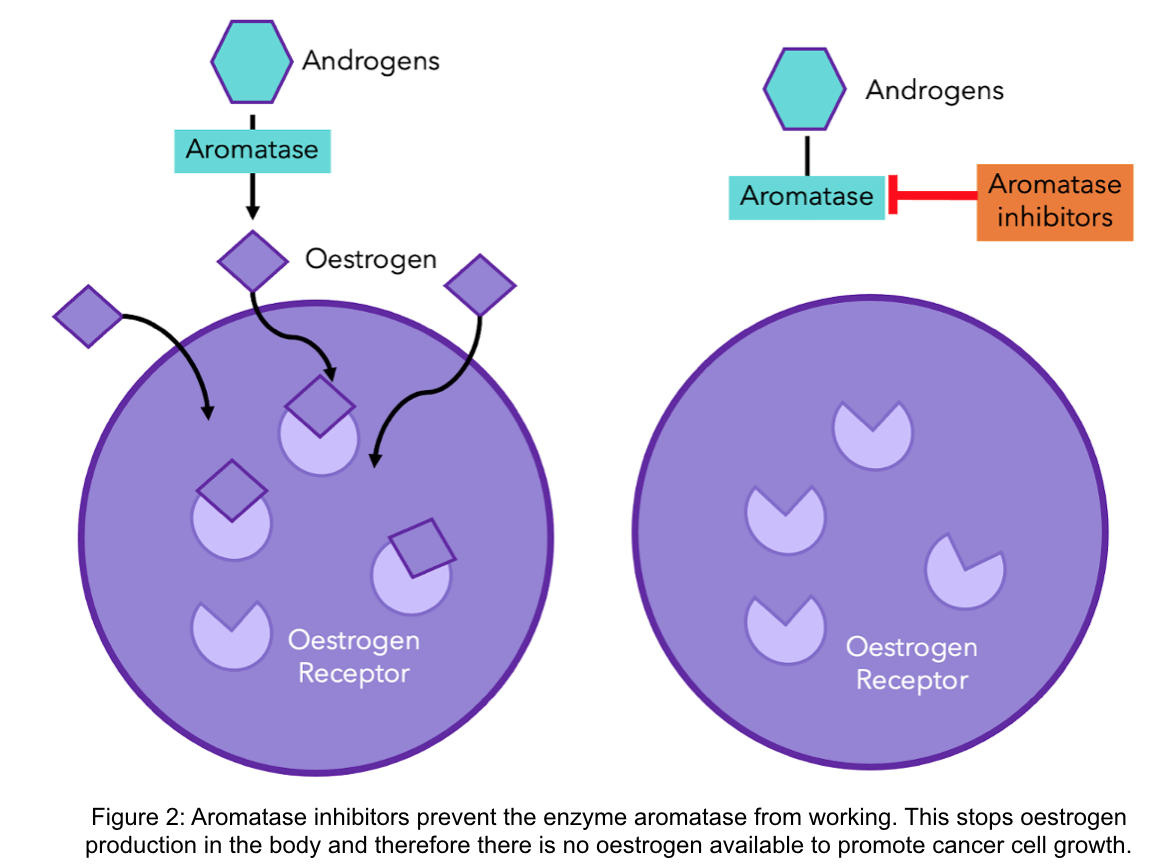
Nolvadex, also known by its generic name tamoxifen, is a selective estrogen receptor modulator (SERM) primarily used in the treatment and prevention of breast cancer. It works by binding to estrogen receptors in breast tissue, effectively blocking the action of estrogen. Since some breast tumors rely on estrogen to grow, Nolvadex can inhibit the growth of these tumors.
The mechanism of action of Nolvadex involves several key processes:
- Estrogen Receptor Binding: Nolvadex binds to estrogen receptors in breast cells, preventing estrogen from attaching to these receptors. When estrogen binds to its receptor, it can promote the growth of cancer cells. By blocking this interaction, Nolvadex reduces the proliferation of estrogen-dependent cancer cells.
- Partial Agonist Activity: While Nolvadex blocks estrogen in breast tissue, it can act as a partial agonist in other tissues, such as the uterus and bone. This means it can activate estrogen receptors in these areas, leading to beneficial effects like maintaining bone density.
- Inhibition of Growth Factors: By blocking estrogen, Nolvadex can also lead to decreased levels of growth factors that estrogen typically stimulates. This further reduces the growth rate of cancer cells.
- Influence on Gene Expression: Estrogen is involved in the regulation of various genes that control cell growth and division. By disrupting estrogen signaling, Nolvadex also impacts the gene expression patterns that drive tumor growth.
- Dose and Administration: Nolvadex is typically administered orally in pill form, with the dosage guided by the healthcare provider based on the specific cancer treatment plan.
- Side Effects: Common side effects of Nolvadex can include hot flashes, nausea, and increased risk of blood clots. Regular monitoring is often necessary to manage any potential risks associated with continued use.
In summary, Nolvadex functions primarily by blocking estrogen’s effects in breast tissue, thereby inhibiting the growth of estrogen-dependent cancers while maintaining some estrogenic activity in other tissues.
For further information, you can visit the following links: