How Many Grams of Protein Are in a Chicken Breast?
TABLE OF CONTENTS
- 1 FAQ About Chicken Breast Protein Content
- 1.1 How much protein is in a chicken breast?
- 1.2 Is chicken breast a good source of protein for bodybuilding?
- 1.3 How does cooking method affect the protein content in chicken breast?
- 1.4 How does the protein content in chicken breast compare to other meats?
- 1.5 What is the protein content in different serving sizes of chicken breast?
- 1.6 Are there any other nutritional benefits in chicken breast?
- 1.7 Is chicken breast protein more beneficial than plant-based proteins?
- 1.8 Can consuming too much chicken breast protein be harmful?
- 1.9 How can chicken breast be incorporated into a balanced diet?
- 1.10 Are there any alternatives to chicken breast for those seeking protein?
- 1.11 Related
FAQ About Chicken Breast Protein Content
How much protein is in a chicken breast?
A typical 3.5-ounce (100-gram) serving of cooked, boneless, and skinless chicken breast contains approximately 31 grams of protein. This makes chicken breast an excellent source of lean protein, ideal for muscle building and repair.
Is chicken breast a good source of protein for bodybuilding?
Yes, chicken breast is a highly favored food choice among bodybuilders and fitness enthusiasts due to its high protein content and low fat. It’s particularly effective for those looking to increase muscle mass while managing their body fat levels.
How does cooking method affect the protein content in chicken breast?
The protein content in chicken breast doesn’t significantly change with different cooking methods. Whether you bake, grill, or poach the chicken, its protein content remains roughly the same. However, cooking methods like deep frying could add extra calories and fats, which may not be ideal for a lean diet.
How does the protein content in chicken breast compare to other meats?
Chicken breast is one of the best sources of lean protein when compared to other meats. For instance, beef tends to have more fat, while fish like salmon, although high in protein, contains higher amounts of healthy fats. Therefore, for those focused on high protein intake with minimal fat, chicken breast is often preferred.
What is the protein content in different serving sizes of chicken breast?
The protein content scales with the size of the chicken breast. For instance, a 4-ounce (113-gram) serving contains about 35 grams of protein, while an 8-ounce (226-gram) portion provides around 70 grams of protein. Adjust the serving size to meet your dietary protein needs.
Are there any other nutritional benefits in chicken breast?
Yes, aside from protein, chicken breast is also a good source of vitamins B6 and B12, phosphorus, niacin, and selenium. These nutrients support various body functions, including immune health, metabolism, and energy production.
Is chicken breast protein more beneficial than plant-based proteins?
Chicken breast protein is a complete protein source, meaning it contains all essential amino acids the body cannot produce. While plant-based proteins are beneficial and can be combined to obtain all essential amino acids, chicken breast provides these in a single source, which may be more convenient for some individuals.
Can consuming too much chicken breast protein be harmful?
While chicken breast is a healthy protein source, consuming excessively high levels of protein can lead to health issues such as kidney strain and nutrient imbalances. It is important to consume chicken breast as part of a balanced diet, considering personal health conditions and nutritional needs.
How can chicken breast be incorporated into a balanced diet?
Chicken breast can be incorporated into meals in numerous ways, such as grilled, baked, or added to salads and stir-fries. Pairing it with a variety of vegetables, whole grains, and healthy fats ensures a well-rounded, nutritious diet.
Are there any alternatives to chicken breast for those seeking protein?
Yes, there are many alternatives, such as turkey breast, fish, tofu, tempeh, and legumes. These options can provide protein and other nutrients for those who prefer different textures, flavors, or a plant-based diet.
FREE SHIPPING
CLICK HERE!
HOT PROMOTIONS!



Beligas RETHO Cialis 5mg/100tabs
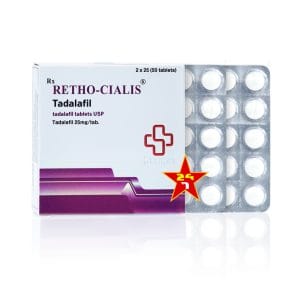
Original price was: $ 99.00.$ 69.00Current price is: $ 69.00.
[ratemypost]
By integrating these patterns into your understanding of chicken breast protein grams, you can more effectively meet your nutritional goals.