How Much Protein Is in Different Types of Tuna?
TABLE OF CONTENTS
- 1 How Much Protein is in Tuna?
- 1.1 What is the Protein Content in Tuna?
- 1.2 Is Fresh Tuna Higher in Protein Than Canned Tuna?
- 1.3 How Does Tuna Compare to Other Protein Sources?
- 1.4 Is Light Tuna or Albacore Tuna Higher in Protein?
- 1.5 What Are the Benefits of Eating Tuna?
- 1.6 Can Eating Tuna Help with Weight Loss?
- 1.7 How Much Tuna Should You Eat to Meet Your Protein Needs?
- 1.8 Are There Any Concerns about Eating Too Much Tuna?
- 1.9 Conclusion
- 1.10 Related
How Much Protein is in Tuna?
Tuna is a popular choice for those looking to increase their protein intake. It is a versatile fish that can be added to salads, sandwiches, and various other dishes. Here, we will answer some frequently asked questions about the protein content in tuna and offer some insights into its nutritional benefits.
What is the Protein Content in Tuna?
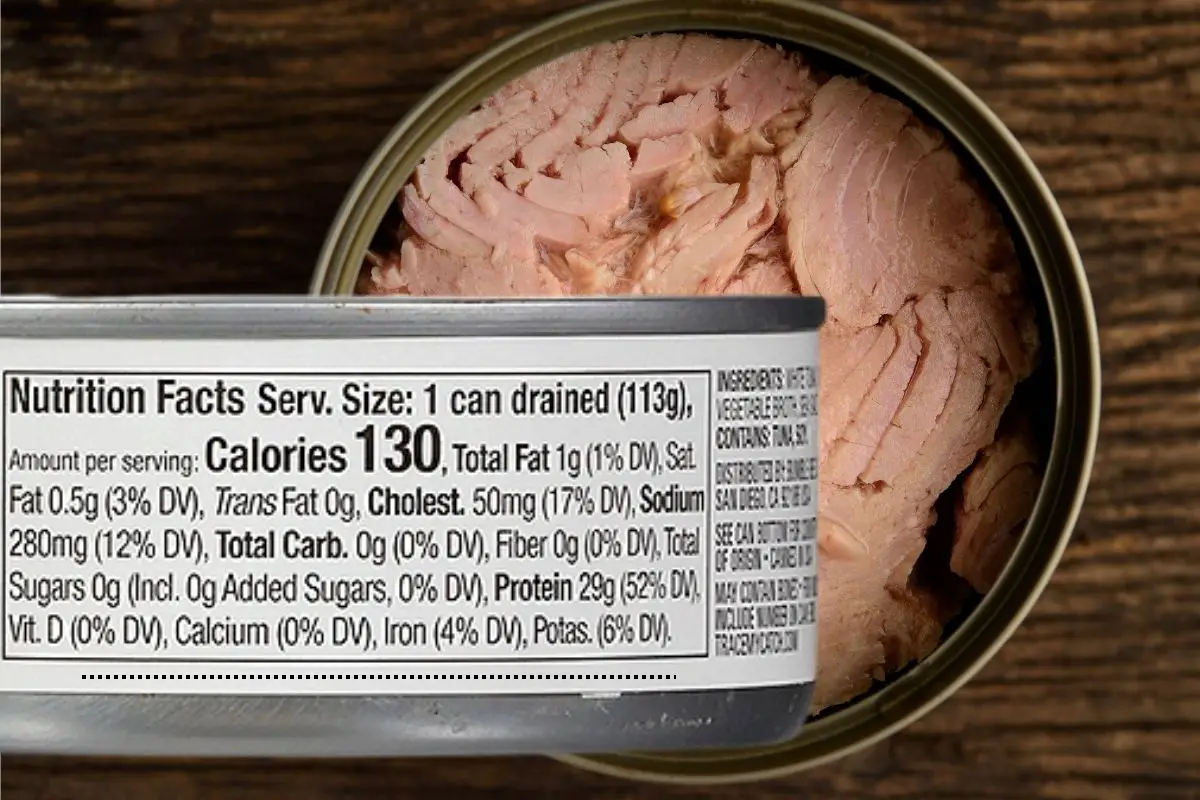
Tuna is notably high in protein, making it a great option for anyone seeking to boost their protein consumption. A typical serving size of canned tuna (about 3.5 ounces or 100 grams) contains approximately 24 to 27 grams of protein. This protein content can vary slightly depending on the specific type of tuna and its preparation method.
Is Fresh Tuna Higher in Protein Than Canned Tuna?
Fresh tuna generally contains a similar protein content compared to canned tuna, although the exact amount might vary slightly depending on the species and preparation. On average, fresh tuna can provide around 25 grams of protein per 100 grams serving. Canned tuna, particularly when preserved in water, remains a convenient and healthy choice with comparable protein levels.
How Does Tuna Compare to Other Protein Sources?
Tuna ranks equally and sometimes higher compared to other protein sources such as chicken, beef, or legumes. For instance, chicken breast offers approximately 31 grams of protein per 100 grams, relatively close to that of tuna. The low-fat content and convenience of tuna often make it a preferred choice for protein increase.
Is Light Tuna or Albacore Tuna Higher in Protein?
Both light tuna and albacore tuna are excellent sources of protein. However, albacore (also known as white tuna) often contains a slightly higher protein content compared to light tuna. Typically, a 3-ounce serving of canned albacore tuna can have 22 grams of protein, while light tuna averages around 20 grams. Despite the difference, both are healthy, protein-rich options.
What Are the Benefits of Eating Tuna?
Aside from being a high-protein food, tuna provides a wealth of other health benefits. It is rich in omega-3 fatty acids, which are known for supporting heart health. Tuna is also a good source of vital nutrients such as vitamin D and selenium. Its high protein content makes it an excellent choice for muscle building and repair, essential for athletes and fitness enthusiasts.
Can Eating Tuna Help with Weight Loss?
Yes, tuna can be an effective component of a weight loss diet. Its high protein content promotes satiety, helping to reduce appetite and caloric intake. Additionally, tuna is relatively low in calories and fat, making it a nutrient-dense food ideal for those looking to lose weight.
How Much Tuna Should You Eat to Meet Your Protein Needs?
The amount of tuna to consume depends on your individual dietary requirements and protein goals. Generally, incorporating one or two servings of tuna per week can help meet the protein needs for most people, in combination with other protein sources. Be sure to balance it with other foods to maintain a varied diet.
FREE SHIPPING
CLICK HERE!
HOT PROMOTIONS! STADA HGH SOMATROPIN 100IU (10 vials)
![STADA HGH SOMATROPIN 100IU (10 vials)]() Original price was: $ 299.00.$ 229.00Current price is: $ 229.00.CROWX 👑 CIAROW 25 MG / 50 Tabs (Sildenafil)
Original price was: $ 299.00.$ 229.00Current price is: $ 229.00.CROWX 👑 CIAROW 25 MG / 50 Tabs (Sildenafil)
![CROWX 👑 CIAROW 25 MG / 50 Tabs (Sildenafil)]() Original price was: $ 109.00.$ 99.00Current price is: $ 99.00.
Original price was: $ 109.00.$ 99.00Current price is: $ 99.00.
FREE SHIPPING
CLICK HERE!
HOT PROMOTIONS!
STADA HGH SOMATROPIN 100IU (10 vials)
Original price was: $ 299.00.$ 229.00Current price is: $ 229.00.
CROWX 👑 CIAROW 25 MG / 50 Tabs (Sildenafil)
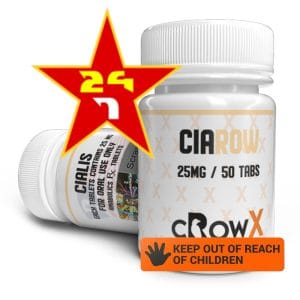
Original price was: $ 109.00.$ 99.00Current price is: $ 99.00.


Are There Any Concerns about Eating Too Much Tuna?
While tuna is nutritious, it is important to be mindful of its mercury content. Consuming excessive amounts can lead to mercury exposure concerns, especially for vulnerable groups like pregnant women and young children. Practicing moderation and opting for lower-mercury options like light tuna can help mitigate this risk.
Conclusion
Tuna is a fantastic protein-packed food that can fit well into various diets and nutrition plans. Whether you’re aiming to build muscle, lose weight, or just maintain overall health, the protein content in tuna makes it an excellent choice for inclusion in your meals. Remember to enjoy it in moderation and alongside a balanced diet for optimal health benefits.
[ratemypost]