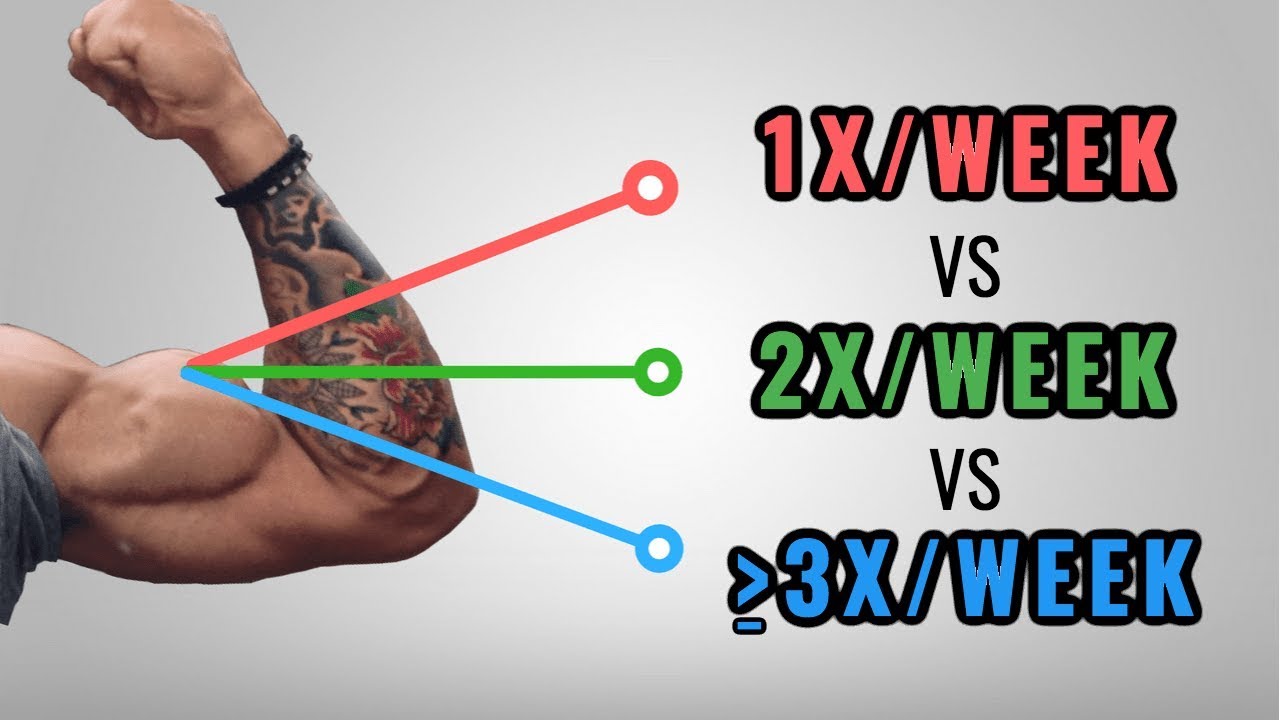
How Often Should I Train to Build Muscle Effectively?
TABLE OF CONTENTS
- 1 FAQ: Muscle Building Training Program
- 1.1 1. What is a Muscle Building Training Program?
- 1.2 2. How often should I train each week?
- 1.3 3. What type of exercises will be included?
- 1.4 4. What role does nutrition play in muscle building?
- 1.5 5. Can beginners join a muscle building program?
- 1.6 6. How long does it take to see results?
- 1.7 7. Do I need any special equipment?
- 1.8 8. Is it important to track my progress?
- 1.9 9. What if I hit a plateau?
- 1.10 10. How can I prevent injuries during training?
- 1.11 Related
FAQ: Muscle Building Training Program
1. What is a Muscle Building Training Program?
A muscle building training program is a structured regimen designed to help individuals increase muscle mass, strength, and overall physical fitness. This program typically includes a variety of exercises targeting different muscle groups, nutritional guidance, and progressive overload techniques.
2. How often should I train each week?
The frequency of training depends on your fitness level and goals. Most programs recommend working out 3 to 5 times a week. Beginners might start with 3 days per week, whereas more advanced individuals may train up to 5 times, allowing adequate time for recovery and preventing overtraining.
3. What type of exercises will be included?
A muscle building training program typically includes compound exercises like squats, deadlifts, bench presses, and rows. These exercises work multiple muscle groups simultaneously and are effective for building mass and strength. Isolation exercises, such as bicep curls and tricep extensions, may also be included to target specific muscles.
4. What role does nutrition play in muscle building?
Nutrition is a crucial component of any muscle growth plan. A well-balanced diet with sufficient protein, carbohydrates, and fats supports muscle repair and growth. Consuming adequate calories and protein is vital, and many programs provide personalized nutritional guidance to optimize results.
5. Can beginners join a muscle building program?
Absolutely! Many programs are designed with various fitness levels in mind. Beginners should start with a program that includes basic exercises with lower intensity to build foundational strength and proper form before advancing to more challenging workouts.
6. How long does it take to see results?
Results vary depending on individual efforts, nutrition, and starting fitness levels. Generally, beginners may notice strength gains and muscle definition within 4 to 8 weeks. Consistency, dedication, and adherence to both the exercise and nutrition plan are key factors in achieving desired results.
7. Do I need any special equipment?
A gym membership with access to free weights, machines, and cardio equipment is ideal for a comprehensive program. However, many at-home programs require minimal equipment, such as dumbbells, resistance bands, and kettlebells, allowing flexibility for those who prefer to train at home.
8. Is it important to track my progress?
Yes, tracking progress is essential. Keeping a record of workouts, sets, repetitions, and weight helps you stay motivated, identify strengths and weaknesses, and make necessary adjustments to your plan. Many programs provide tools or apps to simplify tracking and ensure continual progress.
9. What if I hit a plateau?
Plateaus are common in any fitness journey. To overcome them, consider varying exercises, increasing intensity or volume, adjusting nutritional intake, or incorporating rest days. Consulting with a fitness professional for personalized advice can also be beneficial.
10. How can I prevent injuries during training?
Proper warm-up and cool-down routines, using correct form, and not overloading weights are critical to preventing injuries. Listening to your body and incorporating rest or active recovery days will help minimize the risk of injury and promote long-term success.
For more details or to find a muscle building training program that suits your needs, visit our site or contact a fitness professional.
FREE SHIPPING
CLICK HERE!
HOT PROMOTIONS!

STADA TESTOSTERONE PROPIONATE 100MG / ML 10ML
Original price was: $ 79.00.$ 59.00Current price is: $ 59.00.

Beligas SARM LEAN GW-0742 10mg per tablet 50 tablets

Original price was: $ 99.00.$ 79.00Current price is: $ 79.00.