
How to Prepare for a Bodybuilding Photo Shoot: Tips and Tricks
Capturing the perfect bodybuilding photo can be an art and a science. Whether you’re a seasoned bodybuilder looking to immortalize your hard-earned physique or a photographer keen on exploring the world of fitness, these frequently asked questions will guide you through the nuances of bodybuilding photography.
1. What makes a great bodybuilding photo?
A great bodybuilding photo should highlight muscle definition, symmetry, and aesthetics. It should capture the essence of the athlete’s dedication, showcasing their physique under optimal lighting and angles that emphasize their best features.
2. How should I pose for a bodybuilding photo?
Posing is crucial in bodybuilding photography. Common poses include the front double biceps, side chest, and lat spread. Practice in front of a mirror to understand your angles, and consider hiring a coach or photographer experienced in bodybuilding competitions to provide guidance.
3. What lighting is best for bodybuilding photography?
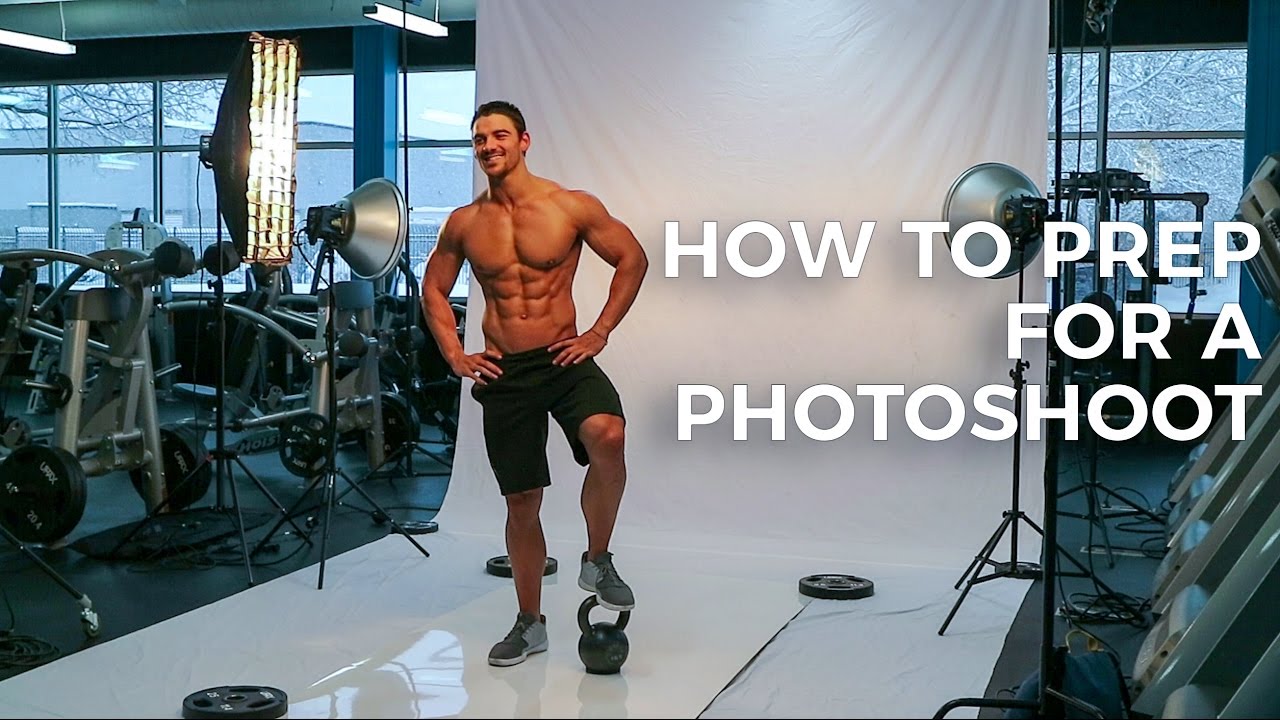
Good lighting is essential to accentuate muscles. Natural light is ideal, especially during the golden hour. Studio settings can also be used with softboxes or ring lights to minimize shadows and emphasize muscle definition. The key is to avoid harsh lighting that can create unflattering shadows.
4. What should I wear for a bodybuilding photoshoot?
The choice of attire depends on the type of photo you want. For classic shots, minimal clothing such as posing trunks or bikinis allows focus on muscle detail. For creative shots, choose outfits that fit well and showcase your physique without distractions.
5. How important is the background in a bodybuilding photo?
The background can significantly influence the photo’s feel. A neutral backdrop can ensure all attention stays on the subject, while an outdoor or gym setting can add context and tell a story. Choose according to the narrative you want your photo to convey.
6. Should I apply any products to my skin before a photoshoot?
Applying oil or moisturizer can enhance muscle definition. It helps in creating highlights and reducing the appearance of dryness. Be cautious to use products that do not cause excessive shine, which can be unflattering under certain lighting conditions.
7. How can I prepare my body for a bodybuilding photoshoot?
Preparation is similar to that for a competition. Hydration, carb loading, and reducing sodium intake can help in muscle fullness and definition. Customize your prep strategy with guidance from a nutritionist or coach to avoid any adverse effects.
8. Can bodybuilding photos be edited, and if so, how much editing is acceptable?
Editing should enhance the natural look without drastically altering it. Adjustments like brightness, contrast, and color balance are common. Over-editing can make photos look artificial; hence, subtlety is preferred to maintain authenticity.
9. How can I find a photographer specialized in bodybuilding photography?
Research photographers who have experience in the fitness industry. Look for portfolios online, read reviews, and seek recommendations from other athletes. Ensure they understand the nuances of capturing muscle definition and the style you desire.
10. What are some creative ideas for bodybuilding photos?
While traditional competition poses are popular, consider incorporating dynamic movements or candid moments. Using props or experimenting with locations like beaches, urban settings, or gyms can add unique perspectives to your bodybuilding photo.
These insights aim to enhance your understanding and ease the process of capturing stunning bodybuilding photos that you can cherish for years to come. Remember, the key is to celebrate your hard work and dedication with photographs that highlight your achievements.
FREE SHIPPING
CLICK HERE!
HOT PROMOTIONS!



Hgh 100IU - Human Growth Hormone - Fierce Pharmaceuticals
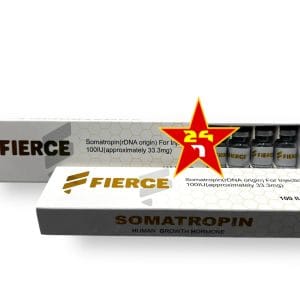
Original price was: $ 299.00.$ 239.00Current price is: $ 239.00.