
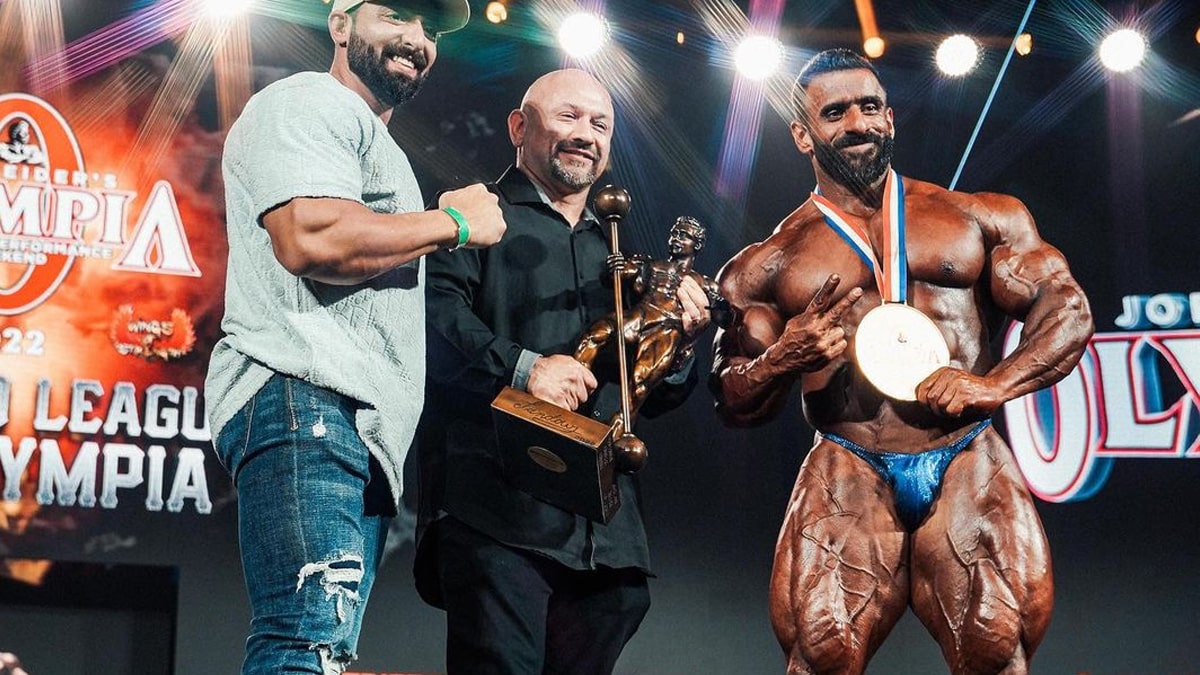
How to Prepare for Your First Bodybuilding Competition
Frequently Asked Questions About Bodybuilding Competitions
Bodybuilding competitions are events that showcase athletes’ physiques developed through rigorous training and strict nutrition. Here, we address some common questions related to these competitions.
What is a bodybuilding competition?
A bodybuilding competition is an event where individuals present their physiques in front of a panel of judges. Competitors are evaluated based on muscle size, symmetry, and definition. The goal is to highlight the athlete’s physical development and aesthetic appeal.
Who can participate in bodybuilding competitions?
Anyone who meets the competition requirements can participate. Categories are typically divided into amateur and professional levels, as well as different weight classes and age groups. Some events also have specific divisions for natural competitors or particular disciplines such as bikini, classic, or physique.
How do I prepare for a competition?
Preparation involves several months of disciplined training, dieting, and posing practice. Most competitors work with coaches to optimize their training programs and nutrition plans. The off-season focuses on building muscle mass, while the contest prep phase involves cutting fat to enhance muscle definition.
What are the judging criteria?
Judges evaluate competitors on several criteria, including muscle size, symmetry, proportion, definition, and stage presence. Different categories may have specific emphases; for example, physique competitions might focus more on overall aesthetic and lines rather than sheer muscle size.
How long does a bodybuilding competition last?
Events can vary in duration. A full competition usually spans one to two days, especially if it includes multiple divisions and age groups. Individual rounds may last several hours as competitors perform mandatory poses and routines for evaluation.
What are some popular bodybuilding contests?
Popular events include the Mr. Olympia contest, Arnold Classic, and various IFBB (International Federation of Bodybuilding & Fitness) competitions. These events attract the best of the best in the bodybuilding world and offer opportunities for amateurs to qualify for professional status.
Are there specific dietary requirements?
Competitors follow a strict diet leading up to a contest. This generally involves controlled calorie intake, high protein consumption, and precise macronutrient ratios. The goal is to maintain muscle mass while reducing body fat. Diets are tailored to individual needs and may vary based on the phase of preparation.
How important is posing?
Posing is crucial as it highlights the competitor’s physique and can significantly impact scoring. Competitors practice posing to display symmetry, strength, and aesthetics. A posing routine performed to music also allows participants to showcase personality and stage presence.
What does it cost to compete?
Costs can vary widely, encompassing entry fees, travel expenses, accommodations, competition attire, tanning, and coaching. Some competitors might also invest in posing lessons or additional supplements to support their regimen.
Can beginners compete?
Yes, many competitions have amateur divisions specifically for beginners. These categories allow newcomers to gain experience and understanding of the competition environment. It’s advisable for beginners to attend contests as spectators and learn the dynamics before participating.
Conclusion
Bodybuilding competitions offer a platform for athletes to display their dedication and finesse in physique development. Whether you are a seasoned competitor or a newcomer, understanding the requirements and expectations can help you better navigate the competitive bodybuilding landscape.
For further inquiries and detailed guidance on bodybuilding competitions, please
FREE SHIPPING
CLICK HERE!
HOT PROMOTIONS!
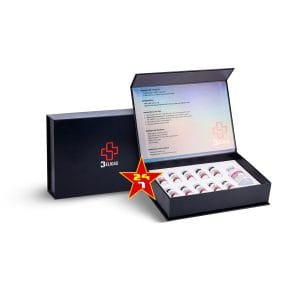
ZPHC Anavar 10mg x 100 tablets
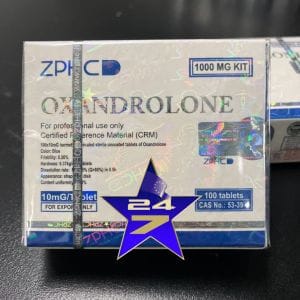
Original price was: $ 139.00.$ 119.00Current price is: $ 119.00.
♀ PT 141 10MG/VIAL Bremelanotide KIT 10vials FIERCE

Original price was: $ 400.00.$ 279.00Current price is: $ 279.00.