

MCT Oil vs. Coconut Oil: What’s the Difference?
MCT Oil vs Coconut Oil FAQ
What is the difference between MCT oil and coconut oil?
MCT oil and coconut oil are often discussed interchangeably, yet they have distinct differences. MCT (medium-chain triglycerides) oil is a refined product specifically designed to contain higher concentrations of medium-chain fatty acids. On the other hand, coconut oil contains a mix of medium and long-chain fatty acids, making it less concentrated in MCTs compared to MCT oil.
How are MCT oil and coconut oil made?
Coconut oil is produced by extracting oil from the meat of mature coconuts, typically through expeller pressing or cold pressing. MCT oil, however, is manufactured by extracting and refining medium-chain triglycerides from either coconut or palm kernel oil. This process results in a more concentrated source of MCTs.
What are the health benefits of MCT oil vs coconut oil?
Both MCT oil and coconut oil offer health benefits. MCT oil is renowned for promoting quick energy and mental clarity, as it is more rapidly absorbed and metabolized by the body. It may also aid in weight management and support a ketogenic diet. Coconut oil, with its antimicrobial properties due to lauric acid, can help support immune health and provide skin and hair benefits.
Which is better for cooking, MCT oil or coconut oil?
Coconut oil is more suitable for cooking, particularly for high-heat methods like frying and baking due to its higher smoke point. It also imparts a coconut flavor to dishes, which can enhance certain recipes. MCT oil has a lower smoke point and is best used in salad dressings, smoothies, or as a supplement.
Are MCT oil and coconut oil vegan?
Yes, both MCT oil and coconut oil are plant-based and suitable for vegan diets. They are derived from coconuts and sometimes palm kernels and contain no animal products or by-products.
How do MCT oil and coconut oil affect cholesterol levels?
MCT oil may have a more neutral effect on cholesterol levels compared to traditional saturated fats because it is quickly metabolized. Coconut oil, however, contains a higher amount of long-chain fatty acids and may raise levels of LDL cholesterol. Individual responses can vary, so monitoring cholesterol levels when consuming these oils is advisable.
Can MCT oil or coconut oil help with weight loss?
MCT oil is often lauded for its potential weight loss benefits, primarily due to its quick energy release and ability to promote satiety. Its rapid metabolism can also support a ketogenic state, which may aid weight management. Coconut oil also supports weight loss, though its effects might be less pronounced given its composition.
Are there any potential drawbacks to using MCT oil or coconut oil?
Some may experience digestive issues with MCT oil when consumed in large quantities, such as stomach cramps or diarrhea. Coconut oil might contribute to higher LDL cholesterol levels if consumed excessively. It’s crucial to use both oils in moderation and as part of a balanced diet.
How can MCT oil be used effectively in a daily routine?
MCT oil can be incorporated into your daily routine by adding it to smoothies, coffee, salad dressings, or simply taking it by the spoonful. Its versatility and neutral flavor make it easy to include without overpowering other flavors.
Can coconut oil be used for skin and hair care?
Yes, coconut oil is widely used in skincare and haircare routines due to its moisturizing properties. It can be applied directly to the skin to improve hydration and protect against dryness or used as a conditioner to enhance hair health and shine.
FREE SHIPPING
CLICK HERE!
HOT PROMOTIONS!



CROWX 👑 ViaRow 50 tab | Viagra 100mg | Sildenafil
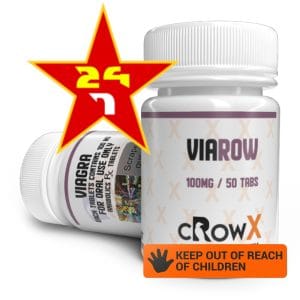
Original price was: $ 169.00.$ 109.00Current price is: $ 109.00.


PAY 2 GET 3 🔥| Beligas Oxytocin 2mg 1 + 1 BA Liquid
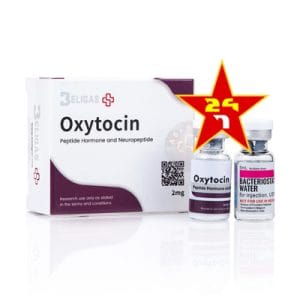
Original price was: $ 99.00.$ 89.00Current price is: $ 89.00.
TADALAFIL 20MG AXIOM ♂ CIALIS 50 TABLETS
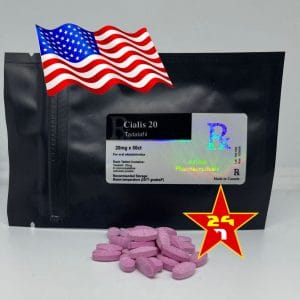
Original price was: $ 219.00.$ 129.00Current price is: $ 129.00.
CROWX 👑 SUSTAROW 300 MG/ 10 ML Vial SUSTANON
Original price was: $ 109.00.$ 99.00Current price is: $ 99.00.
[ratemypost]