The Power of Before and After Photos in Your Weight Loss Journey
TABLE OF CONTENTS
- 1 FAQ About Before and After Pics Weight Loss
- 1.1 What are Before and After Pics for Weight Loss?
- 1.2 How Do Before and After Photos Help in Weight Loss?
- 1.3 What is the Best Way to Take Before and After Photos?
- 1.4 Are Before and After Pics Accurate Indicators of Weight Loss Progress?
- 1.5 Do Before and After Pics Influence Self-Esteem?
- 1.6 Can You Share Before and After Pics on Social Media?
- 1.7 How Often Should You Take Progress Photos?
- 1.8 Are There Risks in Sharing Before and After Pics?
- 1.9 Do Professional Trainers Recommend Before and After Pics?
- 1.10 What Alternatives Exist to Before and After Pics?
- 1.11 Related
FAQ About Before and After Pics Weight Loss
What are Before and After Pics for Weight Loss?
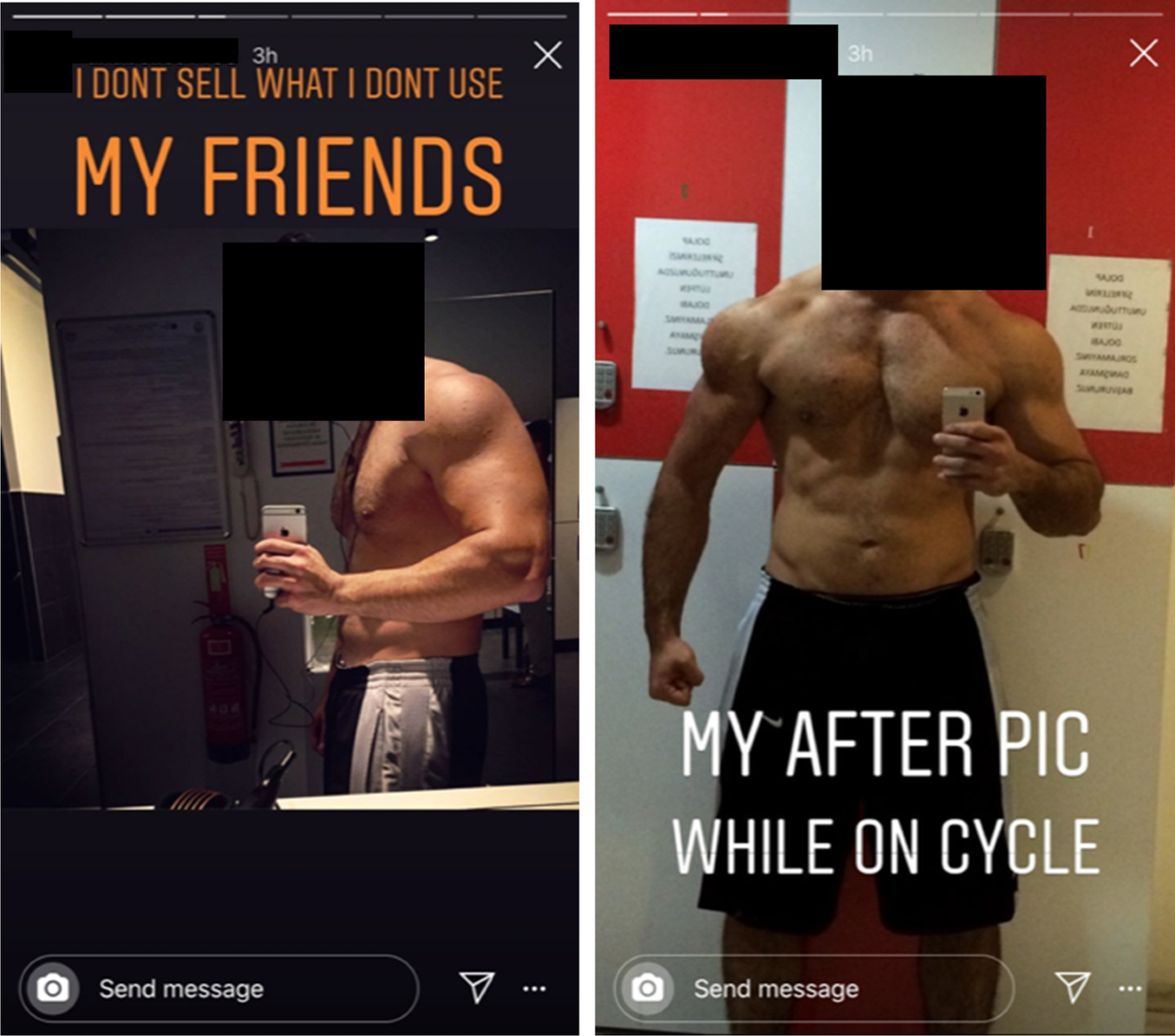
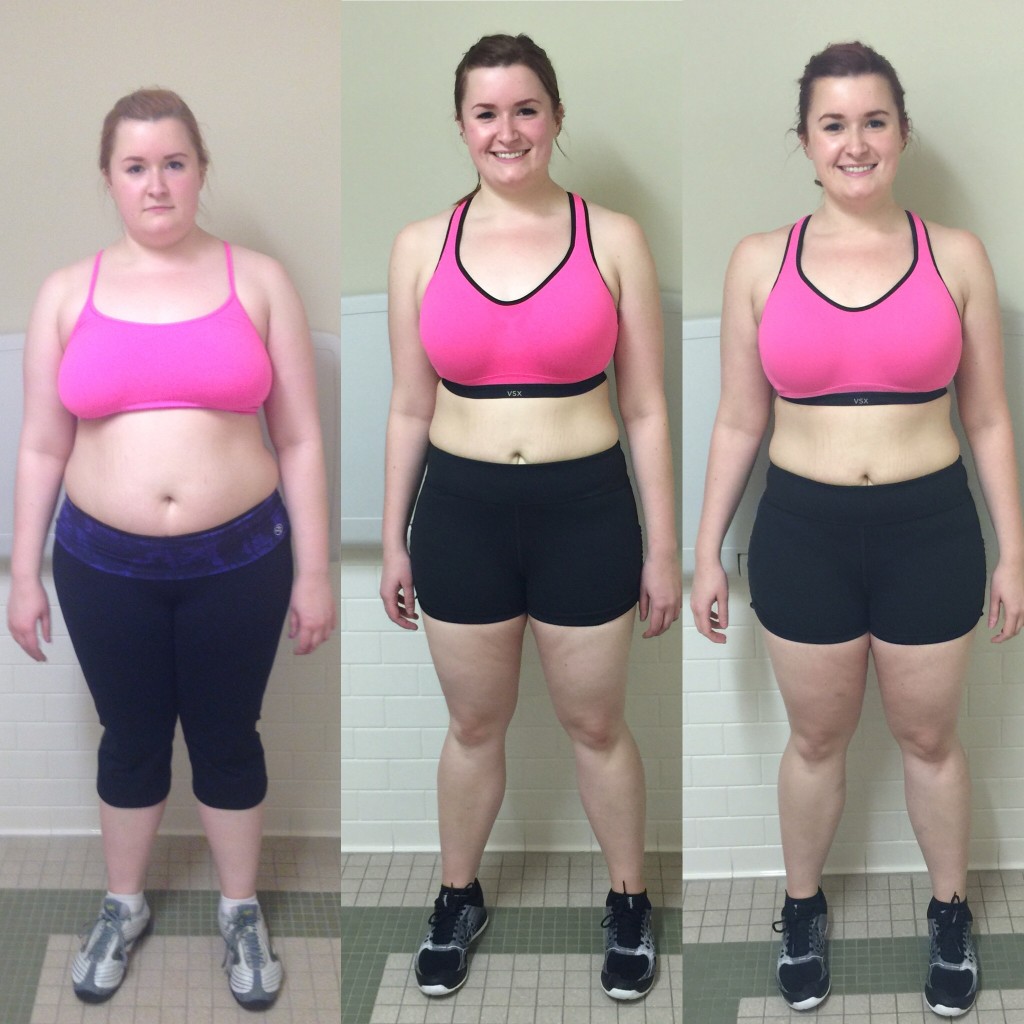
Before and after pics for weight loss are side-by-side photographs that depict a transformation journey. The “before” picture is taken prior to starting a weight loss regimen, while the “after” picture showcases the results achieved after the regimen. These photos are commonly used to inspire others and to document personal progress.
How Do Before and After Photos Help in Weight Loss?
These photos serve as a visual representation of your progress. They provide motivation and can help you stay on track with your fitness goals. By regularly taking pictures, you can see subtle changes that might not be noticeable in day-to-day observations, boosting your confidence and commitment to continue your journey.
What is the Best Way to Take Before and After Photos?
When taking before and after pictures, consistency is key. Try to take them at the same time of day, with similar lighting and clothing, and from the same angles. This helps provide a clear comparison. Choosing a plain background can prevent distractions and focus attention solely on your transformation.
Are Before and After Pics Accurate Indicators of Weight Loss Progress?
While these photos can be motivational, they are not the only way to measure progress. Weight loss can affect body composition, including muscle gain and fat loss, which may not always be visible in photos. It’s important to combine other metrics like measurements, weight, and how clothes fit to track overall progress effectively.
Do Before and After Pics Influence Self-Esteem?
For many, before and after pics can enhance self-esteem by highlighting achievements and providing a sense of accomplishment. However, it’s crucial to maintain a healthy perspective; results can vary greatly between individuals based on numerous factors including genetics, lifestyle, and diets. Always focus on personal goals rather than comparing with others.
Yes, many individuals choose to share their before and after photos on social media platforms to inspire others or to document their journey publicly. When doing so, consider privacy settings and being comfortable with potentially receiving both positive feedback and criticism.
How Often Should You Take Progress Photos?
For consistency, many find it helpful to take progress photos every 4 to 6 weeks. This interval can highlight significant changes without the process feeling overwhelming or discouraging in the early stages of the weight loss journey.
Are There Risks in Sharing Before and After Pics?
Sharing before and after pictures can invite unsolicited opinions, both positive and negative. It’s essential to be prepared for a range of feedback and prioritize your mental health. Remember that not everyone’s journey aligns with yours, and focus on your individual progress and achievements.
Do Professional Trainers Recommend Before and After Pics?
Many professional trainers do recommend taking these photos as part of a comprehensive fitness diary. They can provide valuable insights into progress, reveal what’s working in a fitness plan, and help clients set more precise goals. However, trainers also emphasize the importance of other performance metrics alongside photos.
What Alternatives Exist to Before and After Pics?
Aside from before and after photos, consider alternative ways to track weight loss, such as using body measurements, body fat percentage, fitness levels, or subjective indicators like increased energy levels and enhanced mood. These can provide a fuller picture of your overall health improvements.
FREE SHIPPING
CLICK HERE!
HOT PROMOTIONS!
STADA TESTOSTERONE CYPIONATE 200MG 10ML
Original price was: $ 80.00.$ 72.00Current price is: $ 72.00.

TADALAFIL 20MG AXIOM ♂ CIALIS 50 TABLETS
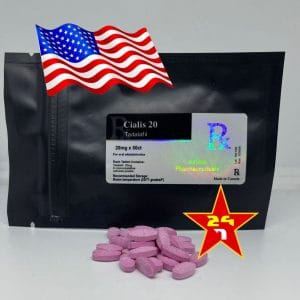
Original price was: $ 219.00.$ 129.00Current price is: $ 129.00.





[ratemypost]
Remember, the journey to fitness is personal. Embracing an attitude of persistence and self-compassion, alongside these visual recordings, will guide you towards a healthier lifestyle.