
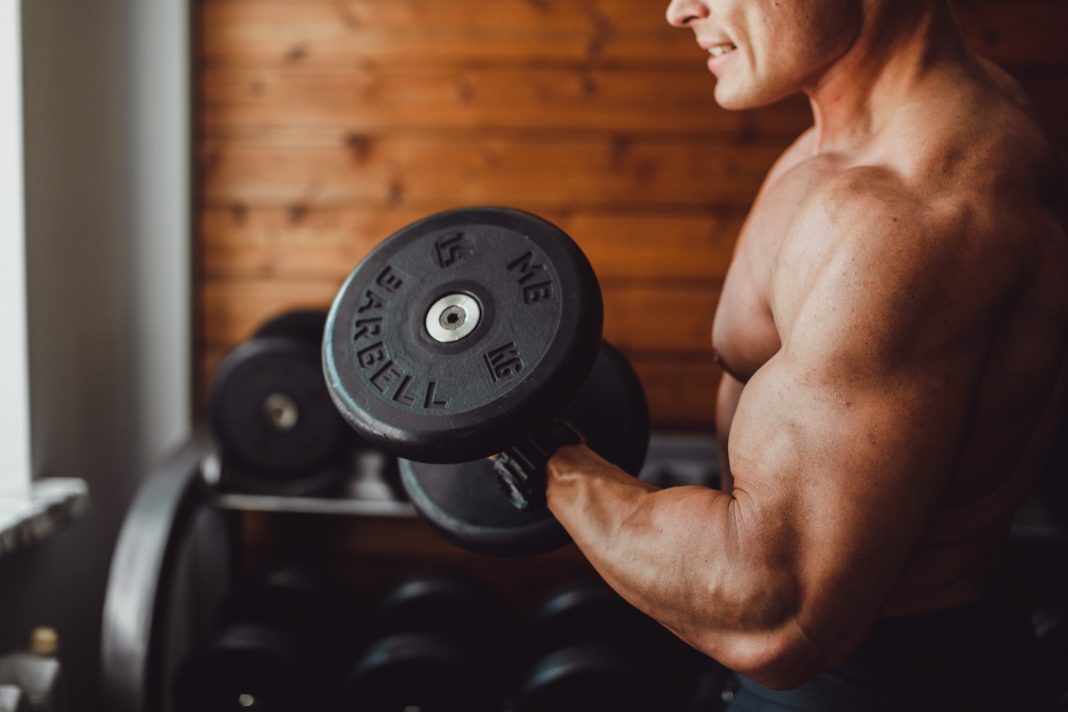
The Risks: Common Health Concerns in Bodybuilding
FAQ: Understanding the Phenomenon of Bodybuilder Mortality
In recent years, there has been increased media attention on the deaths of bodybuilders. To provide clarity on this sensitive topic, we have compiled a list of frequently asked questions that address common concerns and misconceptions.
What are the common causes of death among bodybuilders?
The causes of death among bodybuilders can vary considerably but often include heart-related issues, kidney failure, and complications from the use of performance-enhancing drugs (PEDs). The intense physical demands and dietary practices often associated with bodybuilding can exacerbate underlying health conditions.
Is the use of performance-enhancing drugs linked to the deaths of bodybuilders?
Yes, the use of PEDs such as anabolic steroids is a significant factor. These substances can lead to serious health complications, including cardiac hypertrophy, hypertension, and liver damage, all of which increase the risk of mortality.
Can bodybuilders die from natural causes like non-athletes?
Absolutely. Bodybuilders can succumb to natural causes just like anyone else. While their lifestyle may predispose them to certain health issues, other factors such as genetics and personal health history also play a crucial role.
How can bodybuilders reduce their risk of premature death?
To mitigate health risks, bodybuilders should prioritize regular medical check-ups, adhere to safe training practices, maintain a balanced diet, and avoid the use of illegal substances. Consulting healthcare professionals for personalized advice can also be beneficial.
Are there psychological factors contributing to bodybuilder mortality?
Yes, psychological stress and issues such as body dysmorphia or muscle dysmorphia (often referred to as “bigorexia”) may contribute to risky behavior, including the misuse of supplements and drugs. Mental health support and counseling can be vital in recognizing and addressing these issues.
What role does diet play in the health risks faced by bodybuilders?
Diet is a crucial component in bodybuilding, but extreme dieting can have negative health impacts. Consuming excessive protein or drastically reducing fat intake can strain organs like the kidneys and liver. A well-balanced diet tailored to an individual’s specific needs is essential for optimal health.
Is cardiovascular training important for bodybuilders?
Indeed, cardiovascular health is vital. While many bodybuilders focus heavily on resistance training, incorporating cardiovascular exercise can help maintain heart health, improve endurance, and enhance overall well-being.
Do male and female bodybuilders face different health risks?
While many health risks are similar, hormonal differences mean that males and females may experience some distinct issues. For example, anabolic steroid use can disrupt menstrual cycles in females and lead to fertility issues, while males may face risks like gynecomastia (development of breast tissue).
Have any notable bodybuilders died in recent years?
Yes, there have been several high-profile cases that have drawn attention to the health risks in the bodybuilding community. Each case often sheds light on specific issues within the sport, prompting calls for better regulation and awareness.
What is the bodybuilding community doing to address these issues?
The bodybuilding community is increasingly focused on promoting safer practices. Organizations and competitions are emphasizing drug-free environments, and there is a growing push for athlete education regarding health risks and safer training methodologies.
By understanding these aspects, both current and aspiring bodybuilders can take informed steps towards a healthier and more sustainable approach to the sport they love.
FREE SHIPPING
CLICK HERE!
HOT PROMOTIONS!
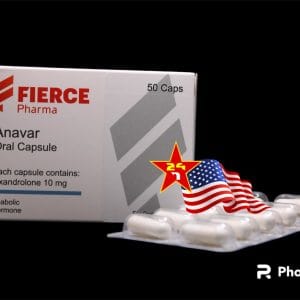
AXIOM TESTOSTERONE CYPIONATE 300MG 10ML

Original price was: $ 119.00.$ 99.00Current price is: $ 99.00.
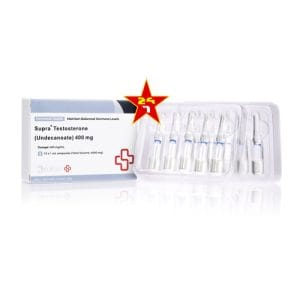

ZPHC Anavar 10mg x 100 tablets
Original price was: $ 139.00.$ 119.00Current price is: $ 119.00.