
Top 10 Frequently Asked Questions About Muscle Gain Meal Plans
FAQ about Muscle Gain Meal Plan
What is a Muscle Gain Meal Plan?
A muscle gain meal plan is a structured nutritional guide designed to help individuals increase muscle mass. It typically includes a balance of proteins, carbohydrates, and fats, specifically tailored to support muscle growth, recovery, and overall health. This plan is essential for those engaging in weightlifting or bodybuilding as it ensures that you’re consuming the right nutrients to fuel your workouts and maximize muscle gain.
How many calories should I consume to gain muscle?
The number of calories needed for muscle gain varies from person to person, based on factors such as age, gender, weight, metabolism, and activity level. On average, to gain muscle, you should consume 250-500 calories above your daily maintenance calorie needs. It is important to periodically reassess your caloric needs as your muscle mass and activity levels change.
What are the essential components of a muscle gain meal plan?
A muscle gain meal plan should include the following components:
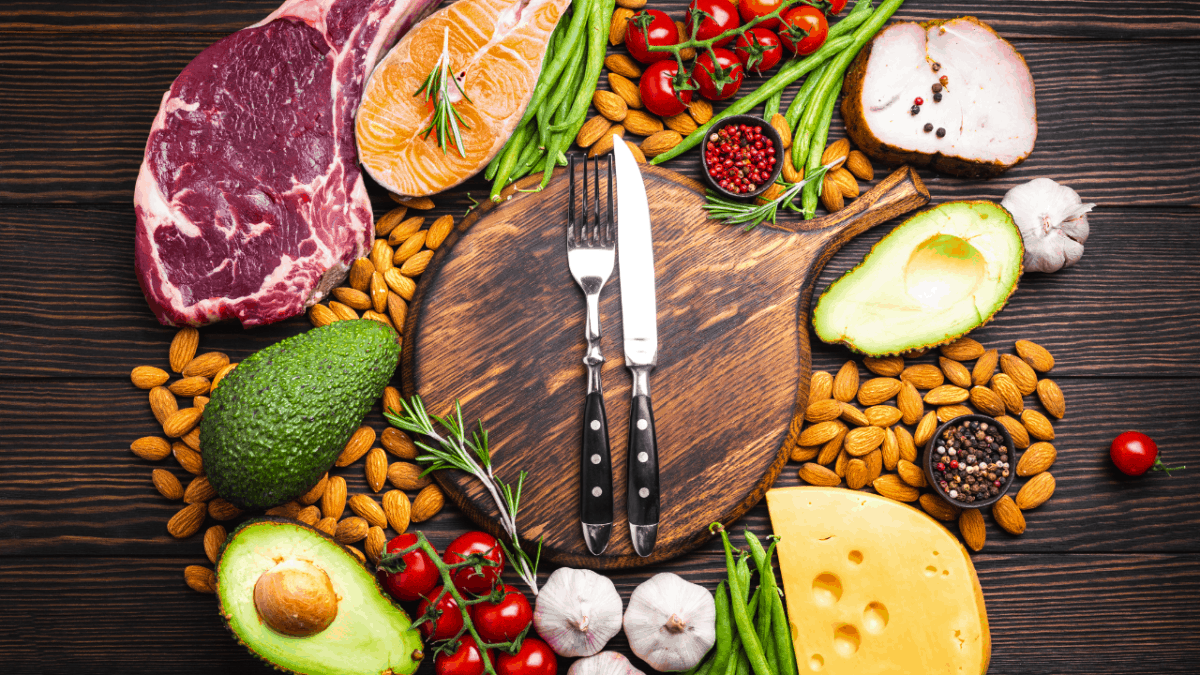
- Proteins: Essential for muscle repair and growth. Foods like chicken, fish, beef, eggs, and plant-based proteins should be included.
- Carbohydrates: Provide energy for workouts and recovery. Opt for whole grains, fruits, and vegetables.
- Fats: Necessary for hormone production and overall health. Healthy fats can be found in nuts, seeds, avocados, and oils.
How often should I eat on a muscle gain meal plan?
It is commonly recommended to eat 4-6 balanced meals per day. This frequency keeps your body fueled, helps maintain energy levels, and supports muscle recovery and growth. Consistent meal timing can also be beneficial for improving metabolism and sustaining energy levels throughout the day.
What role do supplements play in a muscle gain meal plan?
Supplements can be an effective addition to a muscle gain meal plan, but they should complement, not replace, whole foods. Common supplements include protein powders (whey, casein, plant-based), creatine, and branched-chain amino acids (BCAAs). Always consult with a healthcare professional or nutritionist before adding new supplements to your routine.
How important is hydration in a muscle gain meal plan?
Hydration is crucial for overall health and plays a significant role in a muscle gain meal plan. Staying hydrated helps maintain energy levels, supports digestion, and aids in recovery after workouts. Aim to drink at least 8-10 cups of water per day, adjusting for factors like climate and activity level.
Can I customize a muscle gain meal plan?
Yes, a muscle gain meal plan can and should be customized to fit your individual needs, preferences, and dietary restrictions. A personalized plan will ensure that you are consuming the right amounts of nutrients critical for muscle growth and aligned with your health goals. Consulting with a nutritionist or dietitian can provide guidance and personalized recommendations.
How long will it take to see results from a muscle gain meal plan?
The time it takes to see results from following a muscle gain meal plan varies. Factors influencing progress include consistency in following the plan, intensity of workouts, and individual metabolic rates. Typically, noticeable muscle gain can take anywhere from several weeks to a few months. Patience and dedication are key.
Are there any foods to avoid on a muscle gain meal plan?
While no foods are strictly off-limits, it’s wise to minimize processed foods, excessive sugar, and unhealthy fats. These can hinder progress by leading to suboptimal health outcomes, such as increased body fat and decreased muscle gain. Strive for a balanced diet focusing on nutrient-dense, unprocessed foods to support your goals.
Can vegetarians or vegans follow a muscle gain meal plan?
Absolutely, vegetarians and vegans can follow a muscle gain meal plan. It’s essential to include a variety of plant-based protein sources such as lentils, chickpeas, tofu, seitan, and quinoa. Complement these with whole grains, nuts, seeds, and a diverse range of fruits and vegetables to meet nutritional needs.
For more information and personalized guidance on muscle gain meal plans, consider professional consultation.
FREE SHIPPING
CLICK HERE!
HOT PROMOTIONS!

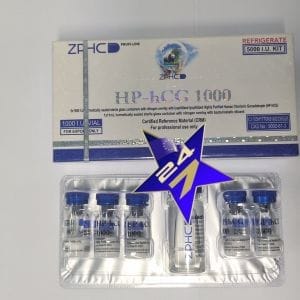
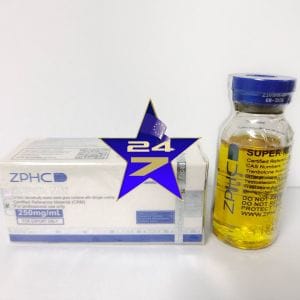
ZPHC Anavar 50mg x 100 tablets
Original price was: $ 300.00.$ 299.00Current price is: $ 299.00.
[ratemypost]