
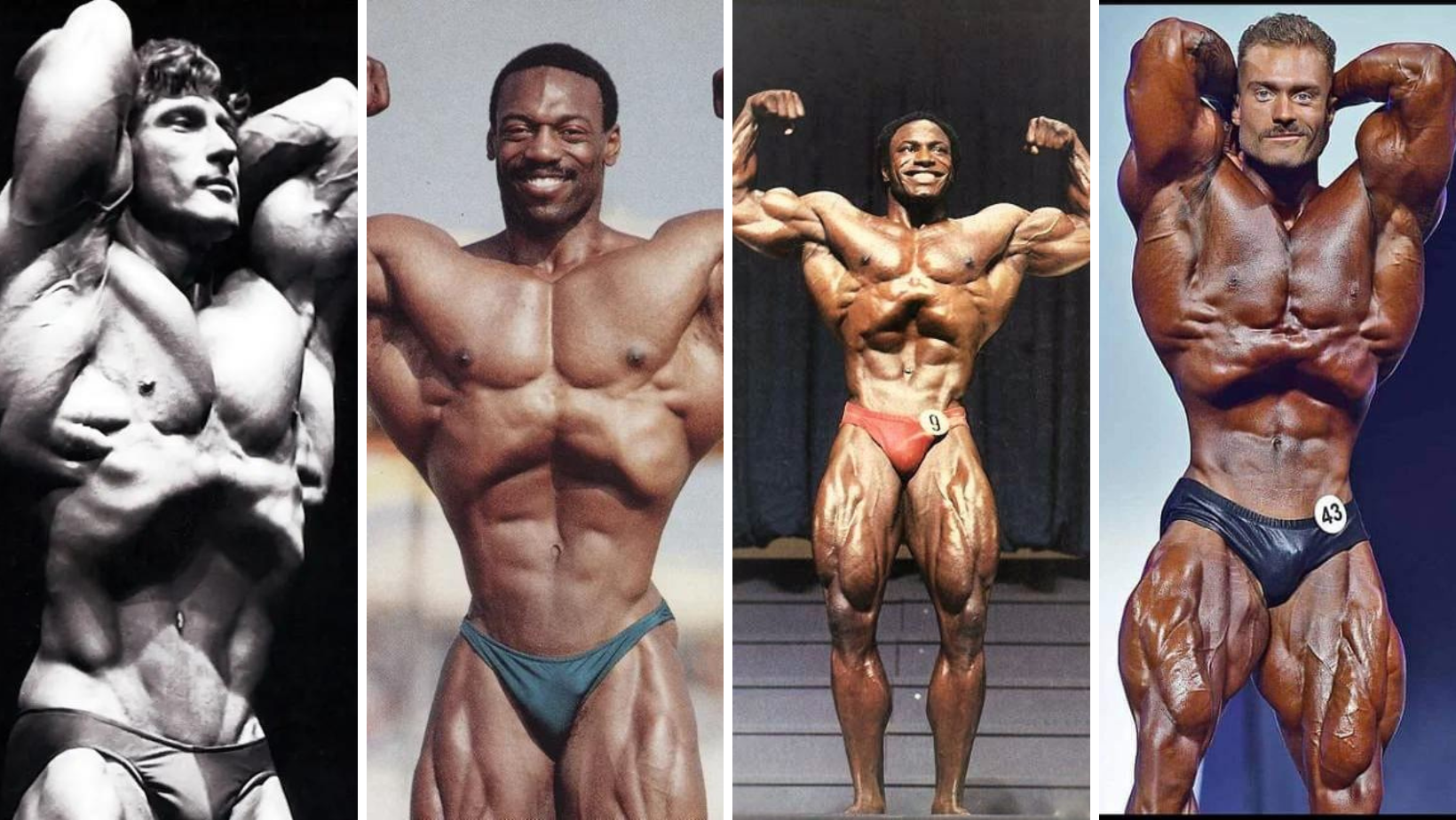
.png "Understanding the Classic Bodybuilder Poses: A Beginner’s Guide")
Understanding the Classic Bodybuilder Poses: A Beginner’s Guide
Frequently Asked Questions about Bodybuilder Poses
What are bodybuilder poses?
Bodybuilder poses are specific positions and stances used by bodybuilders during competitions and exhibitions to showcase their muscle development, symmetry, and overall physique. These poses highlight different muscle groups and are essential for a successful presentation in bodybuilding events.
Why are bodybuilder poses important in a competition?
The significance of bodybuilder poses lies in their ability to allow judges to evaluate a bodybuilder’s physique comprehensively. These poses emphasize muscle definition, proportion, and symmetry. A well-executed pose can make a significant difference in scoring, showcasing the hard work and conditioning that a bodybuilder has achieved.
How many mandatory bodybuilder poses are there in competitions?
Typically, bodybuilding competitions feature eight mandatory poses. These include the front double biceps, front lat spread, side chest, back double biceps, back lat spread, side triceps, abdominal and thigh, and the most muscular pose. Mastering these poses is crucial for anyone looking to compete.
What tips can help improve bodybuilder poses?
To improve bodybuilder poses, one should practice regularly in front of a mirror, focusing on posture, breathing, and muscle tension. Engaging the core and maintaining proper balance is essential. Additionally, posing routines should be practiced under the guidance of experienced coaches or peers for constructive feedback.
How does breathing affect bodybuilder poses?
Breathing plays a critical role in bodybuilder poses. Proper breathing techniques help maintain muscle tension and reveal maximum muscle definition. Competitors should practice controlling their breathing to ensure they can hold poses for the required duration without compromising their physique’s appearance.
Can posing improve muscle development?
While posing itself doesn’t directly lead to muscle development, it does enhance muscle awareness and control, which can contribute to more effective workouts. The process of holding poses requires significant strength, endurance, and balance, indirectly supporting muscle growth and conditioning.
What is a posing routine, and how does it differ from mandatory poses?
A posing routine is a choreographed sequence of poses performed by a bodybuilder during the freestyle portion of a contest. It allows the competitor to creatively express their style, showcase strengths, and hide weaknesses. Unlike mandatory poses, posing routines are unique to each athlete.
Are there specific poses for different bodybuilding categories?
Yes, different bodybuilding categories may require or highlight specific poses. For instance, men’s physique focuses more on natural and aesthetic poses compared to the muscle mass-oriented positioning in classic bodybuilding. Understanding category-specific requirements is vital for competitors.
How should beginners approach learning bodybuilder poses?
Beginners should start with understanding the basic principles of each pose, followed by consistent practice. It is beneficial to work with a coach or join a posing class to receive feedback and pointers. Recording posing sessions can provide self-feedback and track improvement over time.
What attire is appropriate during posing practice?
During practice, it’s advisable to wear attire that allows for full visibility of muscle groups, such as posing trunks or a bikini suit. This visibility aids in adjusting poses for optimal muscle definition and symmetry, preparing competitors for the attire they’ll wear during actual competitions.
FREE SHIPPING
CLICK HERE!
HOT PROMOTIONS!




ZPHC Anavar 50mg x 100 tablets

Original price was: $ 300.00.$ 299.00Current price is: $ 299.00.
ILLUSTRA BRAND | Liquid BAC water 10ml BA+0.9% Benzyl Alcohol

Original price was: $ 60.00.$ 39.00Current price is: $ 39.00.