
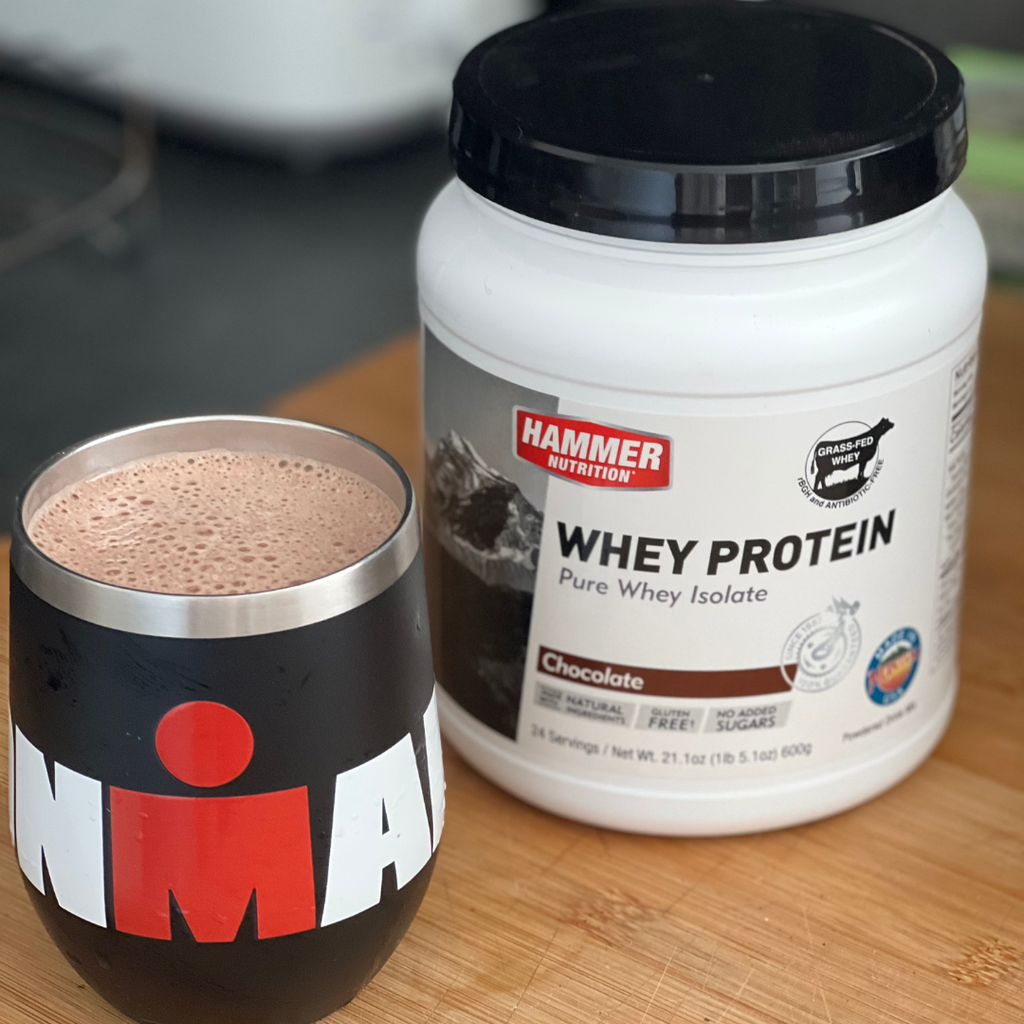
Understanding Whey Protein: What Are the Key Nutrition Facts?
FAQ: Whey Protein Nutrition Facts
1. What is whey protein, and where does it come from?
Whey protein is a high-quality protein derived from cow’s milk. During the cheese-making process, liquid whey is separated from the curds. This liquid is then processed and filtered to create whey protein powder. It contains all nine essential amino acids needed for muscle growth and repair, making it a popular supplement among athletes and fitness enthusiasts.
2. Are there different types of whey protein available?
Yes, there are three main types of whey protein: Whey Protein Concentrate (WPC), Whey Protein Isolate (WPI), and Whey Protein Hydrolysate (WPH). WPC contains a higher percentage of fat and lactose compared to WPI and is typically around 70-80% protein. WPI undergoes more processing to reduce fat and lactose content and is usually around 90% protein. WPH is pre-digested for faster absorption by the body.
3. What are the nutritional benefits of whey protein?
Whey protein is an excellent source of high-quality protein and is rich in essential amino acids, particularly leucine, which is critical for muscle protein synthesis. It also provides beneficial nutrients, including vitamins and minerals like calcium, magnesium, and B vitamins. The fast absorption rate of whey protein makes it ideal for post-workout recovery and muscle building.
4. How many calories are in a typical serving of whey protein?
The calorie content in whey protein can vary depending on the type and brand. Generally, a standard serving (around 30 grams) of whey protein contains approximately 120-130 calories. It’s important to check the nutrition label for precise information, as some flavored or sweetened varieties may contain extra calories.
5. Is whey protein suitable for people with lactose intolerance?
Whey Protein Isolate (WPI) contains less lactose than Whey Protein Concentrate (WPC) and is often tolerated by individuals with lactose intolerance. However, those who are highly sensitive should look for lactose-free alternatives or consult with a healthcare provider before consuming whey protein.
6. Can whey protein help with weight loss?
Yes, whey protein can aid in weight loss by promoting satiety and preserving lean muscle mass. Consuming high-protein meals or supplements like whey protein can help reduce appetite and increase feelings of fullness, leading to lower overall calorie intake. It’s crucial, however, to incorporate whey protein as part of a balanced diet and exercise routine.
7. What is the best time to consume whey protein?
The most effective time to consume whey protein is post-workout, as it helps kickstart muscle recovery and growth. Its rapid absorption provides quick delivery of amino acids to the muscles, enhancing recovery. However, whey protein can also be consumed as a nutritious snack or meal supplement throughout the day to increase daily protein intake.
8. Can I get enough protein from food alone without supplements?
While it’s possible to meet protein needs through a well-balanced diet, whey protein is a convenient and effective way to ensure adequate protein intake, especially for those with higher demands like athletes or those with busy lifestyles. It provides a convenient and quick option for boosting protein intake without excess calories or fat.
9. Are there any side effects of consuming whey protein?
In general, whey protein is safe for most individuals when consumed in recommended amounts. However, excessive intake can lead to digestive issues such as bloating, gas, and cramps, especially in those sensitive to lactose. It’s advisable to consult with a healthcare professional regarding any health concerns with whey protein consumption.
10. Is whey protein vegan-friendly or suitable for vegetarians?
Whey protein is not vegan as it is derived from animal milk, but it is suitable for vegetarians who consume dairy products. Vegans may opt for plant-based protein supplements such as pea, soy, or rice protein as alternatives to fulfill their protein needs.
For additional product options and details, check out this simple listing:
FREE SHIPPING
CLICK HERE!
HOT PROMOTIONS!

REDTROPIN SOMATROPIN HGH STADA 100IU

Original price was: $ 299.00.$ 229.00Current price is: $ 229.00.
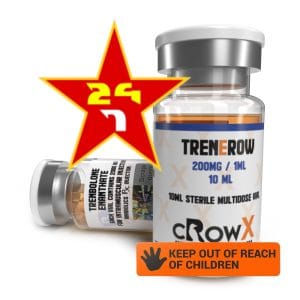
CROWX 👑 TreneRow Vial 10ml | Trenbolone Enanthate 200mg
Original price was: $ 169.00.$ 130.00Current price is: $ 130.00.
Beligas BelTropin HGH 100iu 10iu x 10 vials
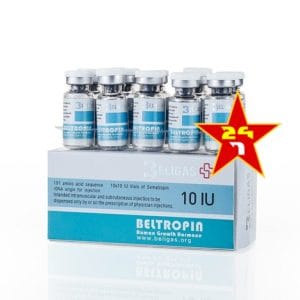
Original price was: $ 414.00.$ 259.00Current price is: $ 259.00.