

What Are Crunches and How Do They Benefit My Core?
FAQs About Crunch Exercise
What is a Crunch Exercise?
The crunch is a fundamental core exercise that primarily targets the abdominal muscles, specifically the rectus abdominis. It’s a popular movement in fitness routines due to its simplicity and effectiveness. People often incorporate this exercise into their workouts for strengthening and toning the abs.
How is a Crunch Different from a Sit-Up?
While both exercises target the abdominal muscles, there are distinct differences. In a crunch, you only lift your upper back off the ground, focusing on the abs without involving the hip flexors. A sit-up involves raising your entire torso, engaging not only the abs but also the hip flexors, which can increase the risk of lower back strain.
Are Crunches Effective for Losing Belly Fat?
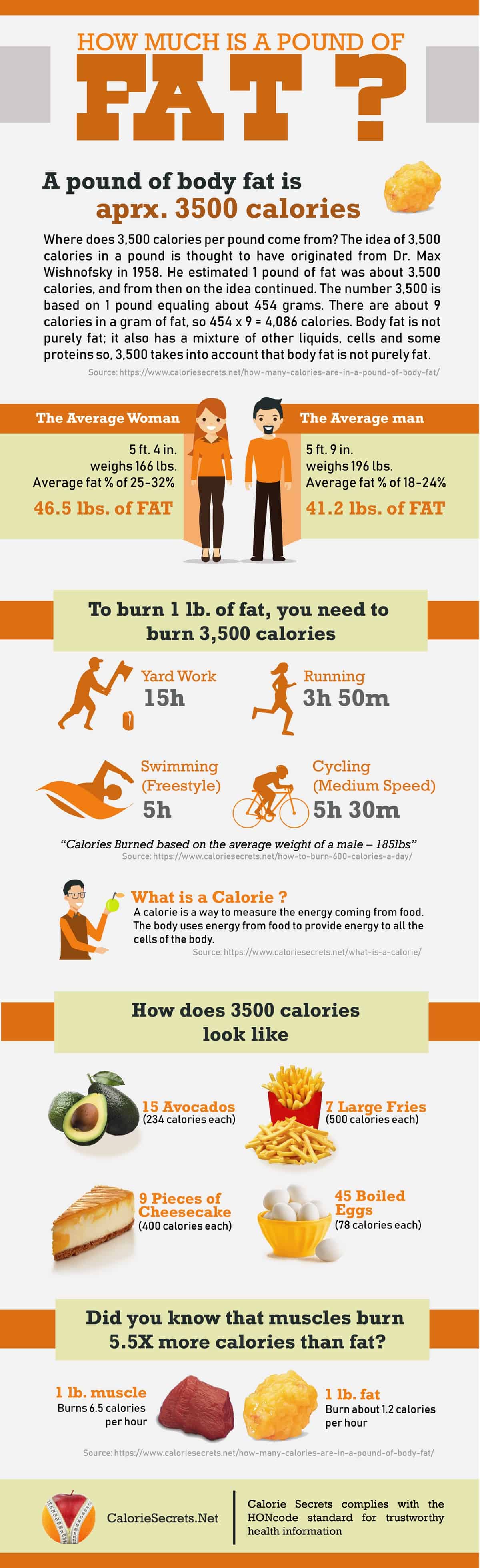
Crunch exercises are effective for strengthening and toning the abdominal muscles but are not directly responsible for burning belly fat. To lose fat around the midsection, one needs to maintain a calorie deficit through a balanced diet and engage in cardiovascular exercises. Strengthening exercises like crunches complement these efforts by building muscle.
How Do You Properly Perform a Crunch?
To perform a crunch, lie on your back with your knees bent and feet flat on the floor. Place your hands behind your head, lightly supporting it without pulling. Engage your core, exhale, and gently lift your shoulders off the floor, keeping the lower back pressed against the mat. Inhale as you slowly return to the starting position.
FREE SHIPPING
CLICK HERE!
HOT PROMOTIONS!

Beligas Prime Testosterone (Suspension) 100mg

Original price was: $ 99.00.$ 69.00Current price is: $ 69.00.




illustra** Grey Tops HGH 99.8% Purity 24iu x 1 vial

Original price was: $ 144.00.$ 109.00Current price is: $ 109.00.

How Often Should I Do Crunches?
The frequency of performing crunch exercises depends on your fitness goals and overall program. Generally, they can be included in your routine 2-3 times per week. It’s essential to allow your muscles time to recover, so avoid performing these exercises on consecutive days.
Can Crunches Cause Back Pain?
If done incorrectly, crunch exercises can lead to back pain. To avoid this, ensure your movements are controlled, keep your lower back pressed against the floor, and avoid pulling on your neck. If you experience persistent back pain, consult a fitness professional or medical expert to assess your form or switch to an alternative exercise.
Are There Variations of Crunches?
Yes, there are several variations to target different areas of the abs and increase difficulty. Some popular variations include the bicycle crunch, reverse crunch, and oblique crunch. Incorporating different types can offer a more comprehensive core workout and keep your routine interesting.
Do Crunches Require Any Equipment?
Crunches are typically performed without any equipment, using just your body weight. However, you can add challenges by using equipment such as stability balls, dumbbells, or resistance bands to increase the intensity and engage additional muscles.
Can Beginner Fitness Enthusiasts Do Crunches?
Absolutely. Crunch exercises are beginner-friendly and can be modified to match one’s fitness level. Beginners should focus on perfecting form and gradually increase repetitions and variations as their strength improves. Remember, technique is crucial to prevent injury.
What’s the Role of Crunches in Overall Fitness?
Crunch exercises play a vital role in strengthening core muscles, which are essential for stability, posture, and overall functional fitness. A strong core can enhance performance in other physical activities and reduce the risk of injury. However, it’s crucial to complement them with a balanced workout including other exercises targeting different muscle groups.
[ratemypost]
Engage with this FAQ to enhance your workout knowledge. #faq #stayfit #bodybuilding