What Are Low Rep Exercises and Why Are They Effective?
TABLE OF CONTENTS
- 1 What Are Low Rep Exercises?
- 2 Are Low Rep Exercises Suitable for Beginners?
- 3 What Are the Benefits of Low Rep Exercises?
- 4 How Do Low Rep Exercises Differ from High Rep Exercises?
- 5 How Should I Incorporate Low Rep Exercises into My Routine?
- 6 Are Low Rep Exercises Effective for Weight Loss?
- 7 What Precautions Should I Take?
- 8 Can Low Rep Exercises Lead to Muscle Imbalance?
- 9 Is a Specific Diet Necessary for Low Rep Training?
- 10 Conclusion
Low rep exercises are a common topic of interest among fitness enthusiasts aiming to enhance their strength and muscle mass. They involve performing fewer repetitions with heavier weights during your workouts. Below, we’ve compiled a list of frequently asked questions to guide you through understanding and integrating low rep exercises into your fitness routine.
What Are Low Rep Exercises?
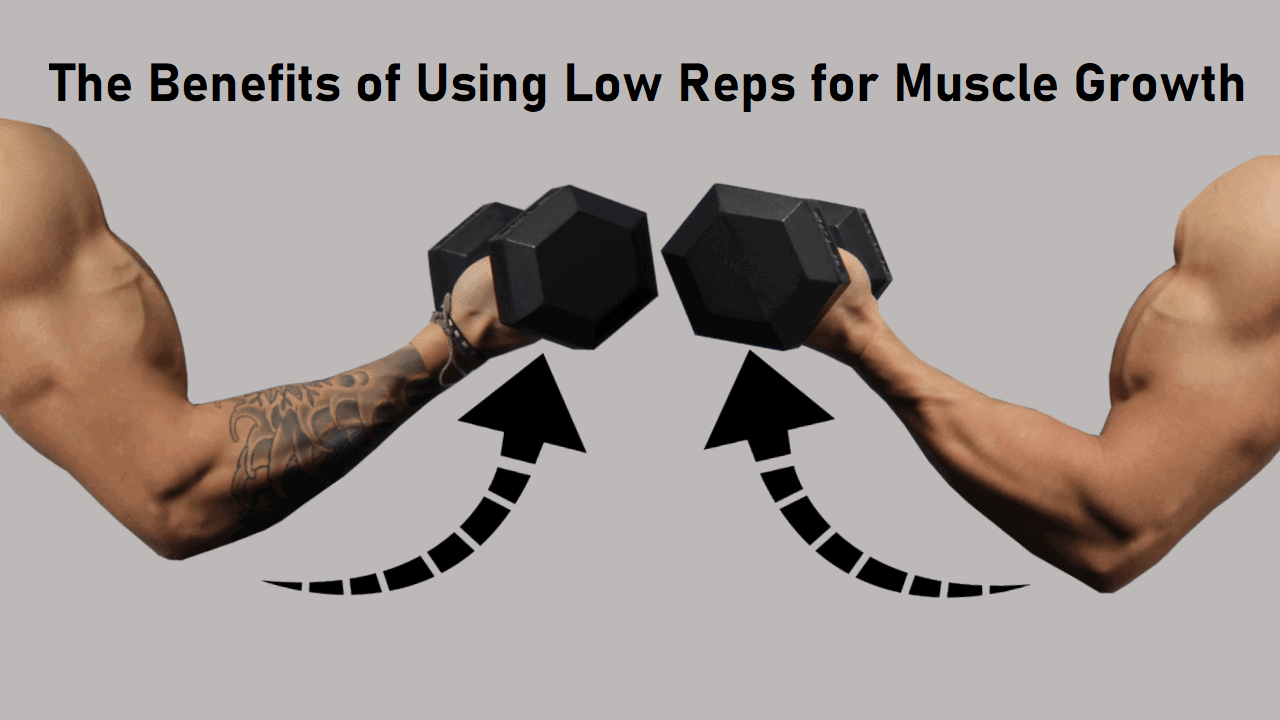
Low rep exercises typically involve lifting heavy weights for less than six repetitions per set. These exercises are designed to build strength, power, and muscle mass by challenging your muscles with maximum resistance.
Are Low Rep Exercises Suitable for Beginners?
Low rep exercises are generally more suitable for individuals who have established a solid foundation of fitness and technique because they involve heavier weights, which can increase the risk of injury. Beginners should focus on mastering the correct form with lighter weights and higher repetitions before progressing to low rep exercises.
What Are the Benefits of Low Rep Exercises?
-
- Increased Strength: By lifting heavier weights, you challenge your muscles to exert more force, resulting in greater strength gains.
- Increased Strength: By lifting heavier weights, you challenge your muscles to exert more force, resulting in greater strength gains.
-
- Muscle Growth: Stimulating your muscles with higher intensity promotes muscle hypertrophy.
- Muscle Growth: Stimulating your muscles with higher intensity promotes muscle hypertrophy.
-
- Improved Power: Low rep exercises enhance your explosive strength, which is beneficial for athletes.
- Improved Power: Low rep exercises enhance your explosive strength, which is beneficial for athletes.
How Do Low Rep Exercises Differ from High Rep Exercises?
Low rep exercises focus on lifting heavy weights with fewer repetitions, targeting muscle strength and power. In contrast, high rep exercises involve lighter weights with a higher number of repetitions, focusing on endurance and muscle toning. Both training styles have their place in a balanced workout routine.
How Should I Incorporate Low Rep Exercises into My Routine?
Start by adding low rep exercises for major muscle groups, such as squats, deadlifts, and bench presses, no more than twice a week. Ensure you allow adequate recovery time for the muscles worked and complement them with exercises focusing on higher reps and lighter weights.
Are Low Rep Exercises Effective for Weight Loss?
While low rep exercises predominantly build strength and muscle size, they can contribute to weight loss indirectly. Increased muscle mass boosts your resting metabolic rate, helping you burn more calories throughout the day. However, for immediate weight loss results, incorporating cardiovascular and high-intensity interval training is recommended alongside low rep exercises.
What Precautions Should I Take?
-
- Warm-Up: Begin with a thorough warm-up to prepare your muscles and reduce injury risk.
- Warm-Up: Begin with a thorough warm-up to prepare your muscles and reduce injury risk.
-
- Proper Form: Focus on using correct form to prevent injury, perhaps under the guidance of a certified trainer.
- Proper Form: Focus on using correct form to prevent injury, perhaps under the guidance of a certified trainer.
-
- Progress Gradually: Rather than attempting to lift too heavy too soon, gradually increase weights to ensure safety and avoid injury.
- Progress Gradually: Rather than attempting to lift too heavy too soon, gradually increase weights to ensure safety and avoid injury.
Can Low Rep Exercises Lead to Muscle Imbalance?
Repeating the same low rep exercises can sometimes lead to muscle imbalances if not balanced with complementary exercises. Ensure a well-rounded fitness program that includes exercises that target all major muscle groups with a mix of reps and variations to promote balanced muscle development.
Is a Specific Diet Necessary for Low Rep Training?
While not strictly necessary, a diet higher in protein and overall calories can support the muscle repair and growth associated with low rep strength training. Consult with a nutritionist or dietitian to tailor a diet plan to your fitness goals.
Conclusion
Low rep exercises can be a powerful tool in your fitness arsenal, particularly for building strength and muscle mass. Understanding how to safely and effectively incorporate them into your routine will help you maximize results while minimizing the risk of injury. As with any exercise program, a balanced approach is essential.
For more information or personalized guidance on low rep training, consider consulting a fitness professional.
FREE SHIPPING
CLICK HERE!
HOT PROMOTIONS!

BPC157 5MG/VIAL KIT 10 - FIERCE

Original price was: $ 199.00.$ 189.00Current price is: $ 189.00.


Hgh 200 iu - 2 FREE VIALS - Fierce Pharmaceuticals

Original price was: $ 500.00.$ 449.00Current price is: $ 449.00.