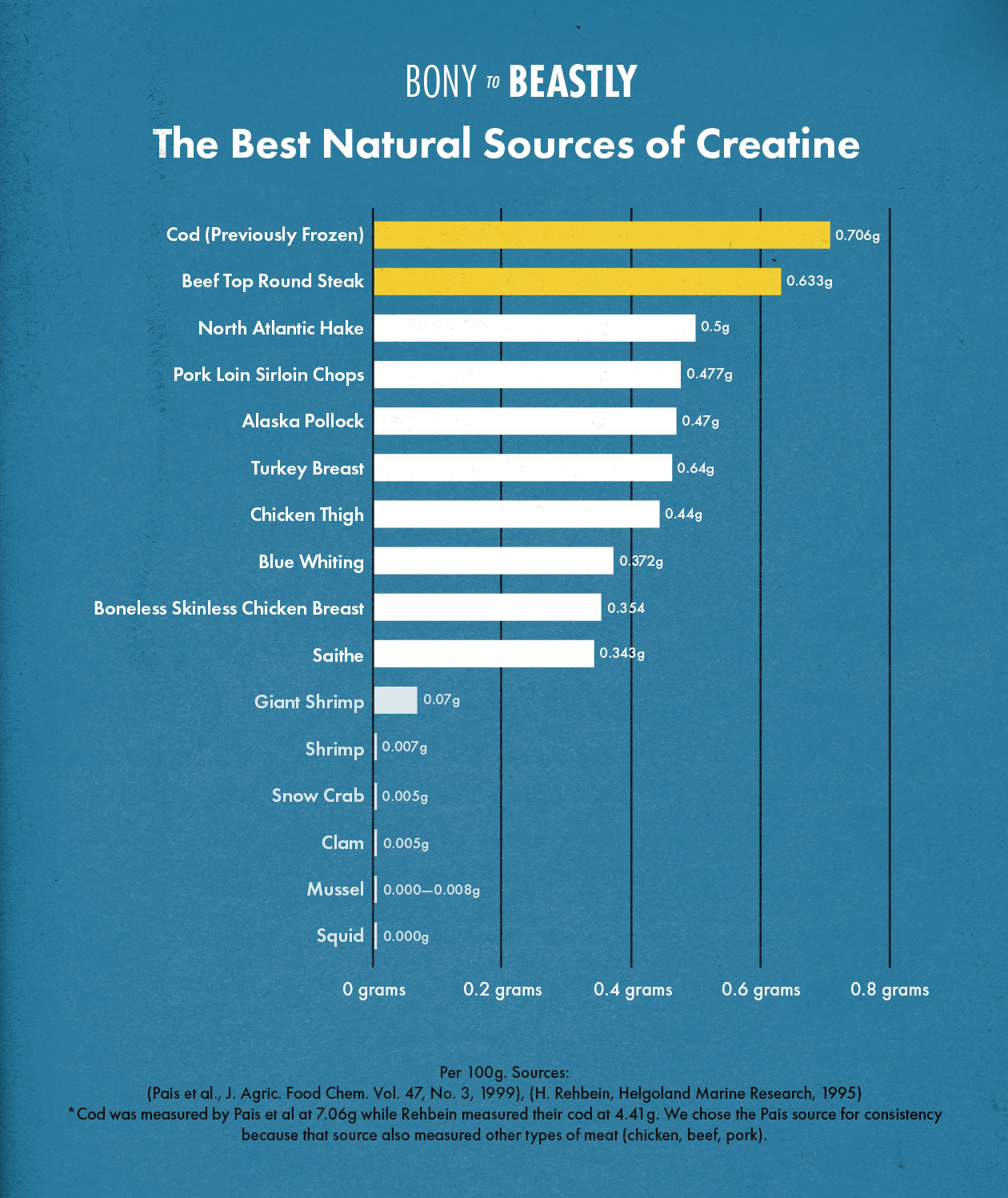
What Are the Best Natural Sources of Creatine in Foods?
Frequently Asked Questions About Creatine-Rich Foods
Creatine is a naturally occurring compound primarily found in animal-based products. It is an essential aid for muscle strength, brain function, and energy production, making it a popular supplement among athletes and bodybuilders. Below are some frequently asked questions about creatine-rich foods.
1. What are creatine-rich foods and why are they important?
Creatine-rich foods primarily include animal products such as red meat and fish. These foods are significant because they provide the body with creatine naturally. Creatine helps increase energy levels, promotes muscle growth, and enhances overall physical performance.
2. Can you get sufficient creatine from a vegetarian or vegan diet?
Most creatine-rich foods are from animal sources, making it challenging for individuals who follow vegetarian or vegan diets to obtain enough creatine naturally. However, they can consider supplementing their diet with creatine monohydrate.
3. Which types of fish are high in creatine?
Certain fish, like herring, salmon, and tuna, are known to contain higher levels of creatine. Including these fish in your diet can help increase your creatine intake naturally, supporting improved energy and muscle function.
4. Why is creatine intake crucial for athletes and bodybuilders?
Creatine-rich foods support increased energy production and improved muscle mass, which are essential for athletic performance. By consuming foods high in creatine, athletes and bodybuilders can enhance their training intensity and recovery times.
5. Can dairy products contribute to creatine intake?
While most dairy products are not significant sources of creatine, some types, such as aged cheeses, contain small amounts. However, they should not be relied upon as primary sources of dietary creatine compared to red meat or fish.
6. How does cooking affect the creatine content in foods?
Cooking can reduce the creatine content in foods, especially at high temperatures and long cooking durations. To preserve creatine levels, consider cooking methods like steaming, poaching, or preparing meats rare to medium-rare.
7. Are there side effects to consuming too many creatine-rich foods?
While there is generally no significant risk in consuming creatine through food alone, excessively high intake could potentially lead to issues like digestion trouble. Moderation is key to reaping the benefits without adverse effects.
8. What are the recommended servings of creatine-rich foods?
For optimal results, it’s suggested to include a moderate portion of creatine-rich foods, like a piece of fish or lean meat, a few times a week as part of a balanced diet. Consult with a nutritionist for personalized advice.
9. How does creatine from food compare to creatine supplements?
Creatine from foods offers a natural source, whereas supplements provide a concentrated dose. Both methods have their benefits, but foods also offer additional nutrients beneficial for overall health that supplements do not provide.
10. Can creatine-rich foods improve brain health?
Yes, creatine plays a role in enhancing cognitive functions such as memory and thinking. Consuming foods high in creatine can support brain health alongside physical performance improvements.
Remember to balance your diet and consult with a healthcare professional if considering adding creatine supplements to your routine. For those seeking to boost performance naturally, incorporating these foods into your diet is a beneficial strategy.
FREE SHIPPING
CLICK HERE!
HOT PROMOTIONS!

Beligas BelTropin HGH 100iu 10iu x 10 vials
Original price was: $ 414.00.$ 259.00Current price is: $ 259.00.


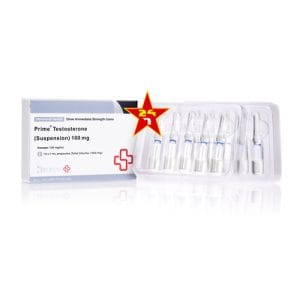
Beligas Prime Testosterone (Suspension) 100mg
Original price was: $ 99.00.$ 69.00Current price is: $ 69.00.
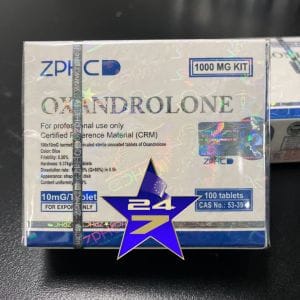
ZPHC Anavar 10mg x 100 tablets
Original price was: $ 139.00.$ 119.00Current price is: $ 119.00.

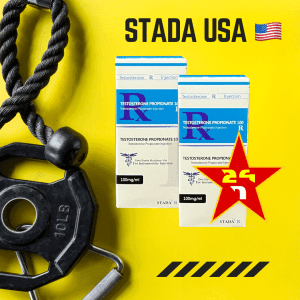
STADA TESTOSTERONE PROPIONATE 100MG / ML 10ML
Original price was: $ 79.00.$ 59.00Current price is: $ 59.00.