
What Are the Major Muscle Groups in the Legs?
FAQ About Leg Muscles
What are the main muscles in the legs?
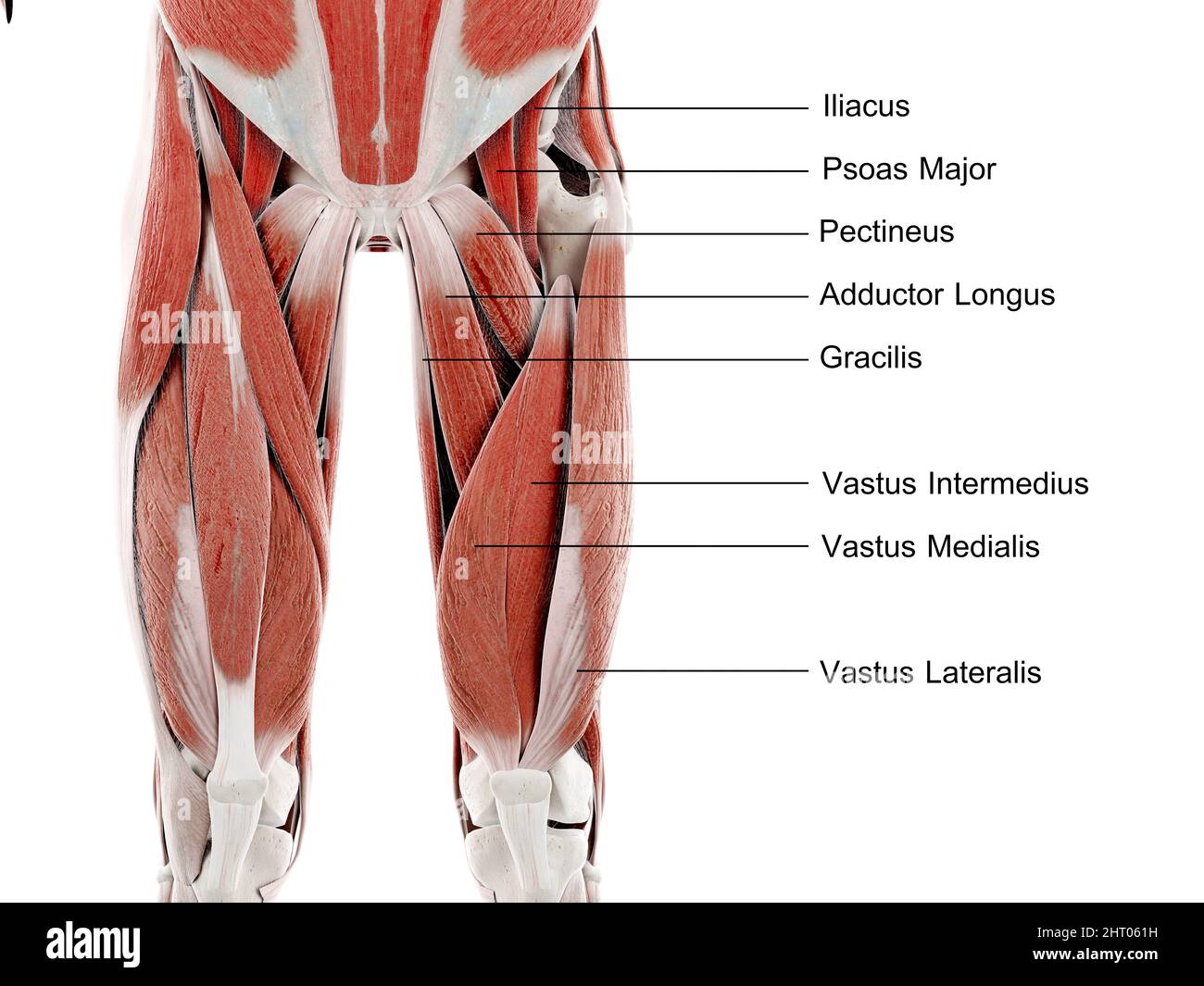
The primary muscles in the legs include the quadriceps, hamstrings, calves, and gluteal muscles. Each of these groups plays a crucial role in leg movement and stability. The quadriceps are located at the front of the thigh, the hamstrings are at the back, the calves are below the knee, and the gluteal muscles form the buttock area.
How can I strengthen the muscles in my legs?
To strengthen leg muscles, engage in exercises like squats, lunges, deadlifts, and calf raises. Adding resistance training with weights or resistance bands can further enhance muscle growth. Consistency and proper form are key to effective training.
What are common injuries associated with leg muscles?
Common injuries include strains, sprains, and tears due to overuse or improper technique during physical activities. It’s important to warm up properly, stretch, and gradually increase intensity to prevent these issues.
How do leg muscles contribute to overall health?
Leg muscles play an integral role in maintaining balance, coordination, and mobility. Strong legs improve daily activities, reduce the risk of falls, and support cardiovascular health by encouraging an active lifestyle.
How can I recover from sore leg muscles?
Rest, hydration, and gentle stretching are fundamental for recovery. Incorporating a balanced diet rich in protein and anti-inflammatory foods can also aid in muscle repair. For persistent soreness, consider consulting a healthcare provider.
Why is stretching vital for leg muscles?
Stretching increases flexibility, reduces muscle tension, and enhances the range of motion. It prepares your legs for exercises, helps prevent injuries, and can relieve discomfort after physical activities.
Can I build larger leg muscles without equipment?
Yes, bodyweight exercises such as squats, lunges, and step-ups can effectively build muscle. Incorporating variations like jump squats and Bulgarian split squats can increase intensity and promote muscle growth without equipment.
How often should I train leg muscles?
Training frequency can vary depending on individual goals. Generally, working out your legs 2-3 times a week is effective for building strength while allowing adequate recovery time.
What is the importance of leg muscles in sports?
Leg muscles are crucial for athletic performance, providing power for movements like running, jumping, and cutting. They bear the body’s weight and play a role in endurance, speed, and agility in various sports.
How do I maintain flexibility in my leg muscles?
Incorporate dynamic stretching before workouts and static stretching after. Activities like yoga or Pilates can also enhance flexibility and promote better muscle health.
FREE SHIPPING
CLICK HERE!
HOT PROMOTIONS!
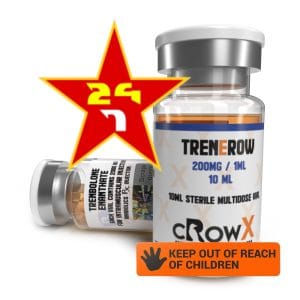
CROWX 👑 TreneRow Vial 10ml | Trenbolone Enanthate 200mg
Original price was: $ 169.00.$ 130.00Current price is: $ 130.00.







[ratemypost]
Conclusion
Maintaining strong and flexible muscles in your legs is essential not only for athletic performance but for overall well-being. By engaging in regular exercise, understanding the importance of recovery, and aiming for a balanced diet, you can optimize the function and health of your legs. Always remember to listen to your body to prevent injuries and consult professionals when needed. Stay informed and keep your legs in top shape! #faq #stayfit #bodybuilding