

What Are the Most Common Side Effects of MCT Oil?
Frequently Asked Questions about MCT Oil Side Effects
What is MCT Oil?
MCT (Medium-Chain Triglycerides) oil is a supplement derived from coconut or palm kernel oil. It’s renowned in health and fitness circles for providing a quick source of energy and boosting metabolism. Due to its popularity, it’s important to be aware of any potential side effects.
What are the common side effects of MCT oil?
Most users tolerate MCT oil well, but some individuals may experience digestive disturbances such as diarrhea, nausea, or an upset stomach. These effects are typically temporary and often subside as the body becomes accustomed to the oil.
How can I minimize the risk of experiencing side effects?
Start with a small dose, such as 1 teaspoon per day, and gradually increase it to the desired amount. This can help your digestive system adjust and reduce the likelihood of adverse effects.
Is there anyone who should avoid MCT oil?
Individuals with liver issues or those who are sensitive to coconut or palm-derived products might want to avoid MCT oil. It’s advisable to consult with a healthcare provider before adding MCT oil to your diet, particularly if you have existing health concerns.
Can MCT oil cause allergic reactions?
While rare, allergic reactions can occur. Symptoms might include itchiness, swelling, or difficulty breathing. Discontinue use immediately and seek medical attention if an allergic reaction is suspected.
Is it safe to use MCT oil while pregnant or breastfeeding?
There is limited research on the use of MCT oil during pregnancy or breastfeeding. It’s best to consult with a healthcare professional to ensure safety for both mother and child.
Can long-term use of MCT oil have side effects?
There isn’t enough research on the long-term use of MCT oil to definitively outline potential side effects. Moderation and medical guidance can help ensure safe, continued use.
Does the quality of MCT oil affect its side effects?
Yes, the quality of MCT oil can play a role in its tolerability. Always choose high-quality, certified products to minimize risks. Lower quality oils might contain impurities that could contribute to adverse reactions.
Can MCT oil interact with other medications?
MCT oil may interact with some medications, particularly those metabolized in the liver. Talk to your healthcare provider about any potential interactions between MCT oil and your current medications.
How can I incorporate MCT oil into my diet safely?
MCT oil can be added to coffee, smoothies, or salad dressings. Ensure that you follow the recommended dosage, gradually introduce it into your diet, and pay attention to how your body responds.
If you have more questions or concerns about MCT oil side effects, it’s always good to seek personalized advice from a healthcare professional. Understanding how your body reacts to supplements and making informed choices can keep your wellness journey on track.
FREE SHIPPING
CLICK HERE!
HOT PROMOTIONS!
SUSTANON 500 AUCTUS TESTOSTERONE BLEND 10ML
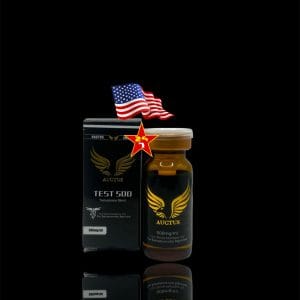
Original price was: $ 140.00.$ 119.00Current price is: $ 119.00.


Beligas SARMs ACP-105 ACP 10mg 50 tablets
Original price was: $ 130.00.$ 109.00Current price is: $ 109.00.
Fierce sustanon 350mg / ml 10ml
Original price was: $ 119.00.$ 109.00Current price is: $ 109.00.



[ratemypost]