

What Are Workout Bands and How Do They Work?
Workout Bands Frequently Asked Questions
1. What are workout bands?
Workout bands, also known as resistance bands, are elastic bands used for strength training and physical therapy. They come in various lengths, thicknesses, and resistance levels, allowing users to perform a variety of exercises to target different muscle groups. Their portability and versatility make them popular for home workouts, gym sessions, and while traveling.
2. How do workout bands work?
Workout bands function by providing resistance to your muscles during exercises. As you stretch the band, it creates tension, requiring your muscles to engage and work harder. This resistance helps build strength, endurance, and flexibility. Unlike weights, bands provide consistent tension throughout an exercise’s range of motion, enhancing muscle activation.
3. What types of workout bands are available?
There are several types of workout bands, including loop bands, tube bands with handles, figure-eight bands, and therapy bands. Loop bands form a closed loop and are ideal for lower body workouts. Tube bands have handles and are often used for upper-body exercises. Figure-eight bands are short with grips, suitable for upper and lower body moves. Therapy bands are flat and used for rehabilitation exercises.
4. Are workout bands effective for muscle building?
Yes, workout bands can be very effective for muscle building, especially when used correctly and consistently. They are particularly useful for targeting smaller muscle groups and complementing traditional weightlifting. By using various resistance levels, you can increase the intensity of your workouts over time, promoting muscle growth and strength.
5. Can beginners use workout bands?
Absolutely! Workout bands are suitable for all fitness levels, including beginners. They offer a safe and adaptable form of resistance training that can be adjusted to match an individual’s strength and ability. Beginners should start with lower resistance bands and progressively increase resistance as they become stronger and more comfortable with the exercises.
6. How do I choose the right workout band?
Choosing the right workout band depends on your fitness goals, the exercises you plan to do, and your current strength level. Look for bands that offer multiple resistance levels. For lower body exercises, loop bands may be preferable, whereas tube bands with handles are versatile for full-body workouts. Consider the band’s material and durability as well.
7. How should I care for my workout bands?
To extend the life of your workout bands, store them in a cool, dry place away from direct sunlight and heat, which can degrade the material. Regularly check your bands for signs of wear and tear, and replace them if you notice any cuts or cracks. Cleaning them with mild soap and water can also prevent the accumulation of dirt and sweat.
8. Can workout bands be used for stretching?
Yes, workout bands are excellent tools for enhancing flexibility and stretching. They can aid in deepening stretches, improving range of motion, and increasing flexibility. They are often used in stretching routines to target specific areas such as hamstrings, shoulders, and chest.
9. What are some common exercises with workout bands?
Common exercises include bicep curls, tricep extensions, lateral band walks, seated rows, leg presses, and shoulder presses. Workout bands can also be used to intensify bodyweight exercises like squats, lunges, and push-ups.
10. Are there any safety tips when using workout bands?
Always inspect your bands for signs of wear before use, as a snapped band can cause injury. Start with lighter resistance and progress to harder bands as your strength increases. Ensure that the bands are securely anchored during exercises to prevent slipping. Listen to your body and stop if you experience pain during use.
FREE SHIPPING
CLICK HERE!
HOT PROMOTIONS!

Beligas SARMs ACP-105 ACP 10mg 50 tablets
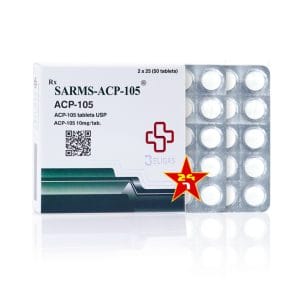
Original price was: $ 130.00.$ 109.00Current price is: $ 109.00.
♀ PT 141 10MG/VIAL Bremelanotide KIT 10vials FIERCE

Original price was: $ 400.00.$ 279.00Current price is: $ 279.00.
ZPHC Anavar 10mg x 100 tablets
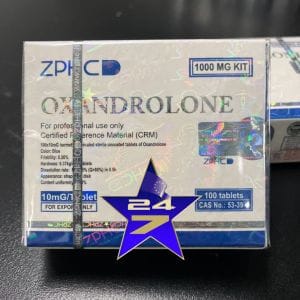
Original price was: $ 139.00.$ 119.00Current price is: $ 119.00.


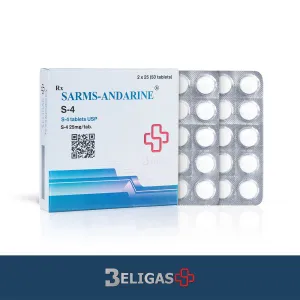
BPC157 5MG/VIAL KIT 10 - FIERCE

Original price was: $ 199.00.$ 189.00Current price is: $ 189.00.
ZPHC Winstrol Stanozolol 10mg x 100 Tablets
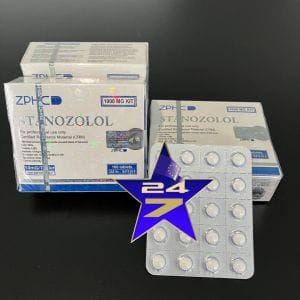
Original price was: $ 99.00.$ 79.00Current price is: $ 79.00.
Beligas RETHO Cialis 5mg/100tabs
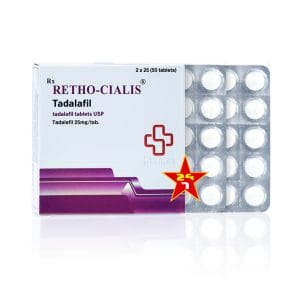
Original price was: $ 99.00.$ 69.00Current price is: $ 69.00.