
What Is a Cutting Diet and Why Is It Important for Bodybuilders?
FAQ About Cutting Diet for Bodybuilding
What is a cutting diet?
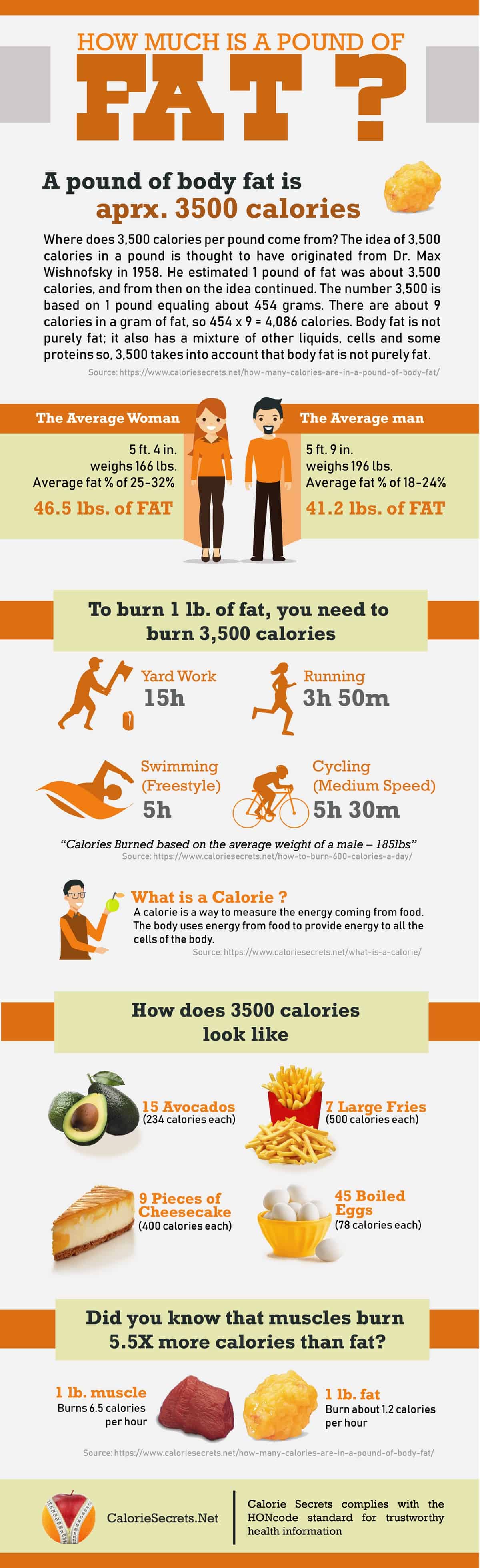
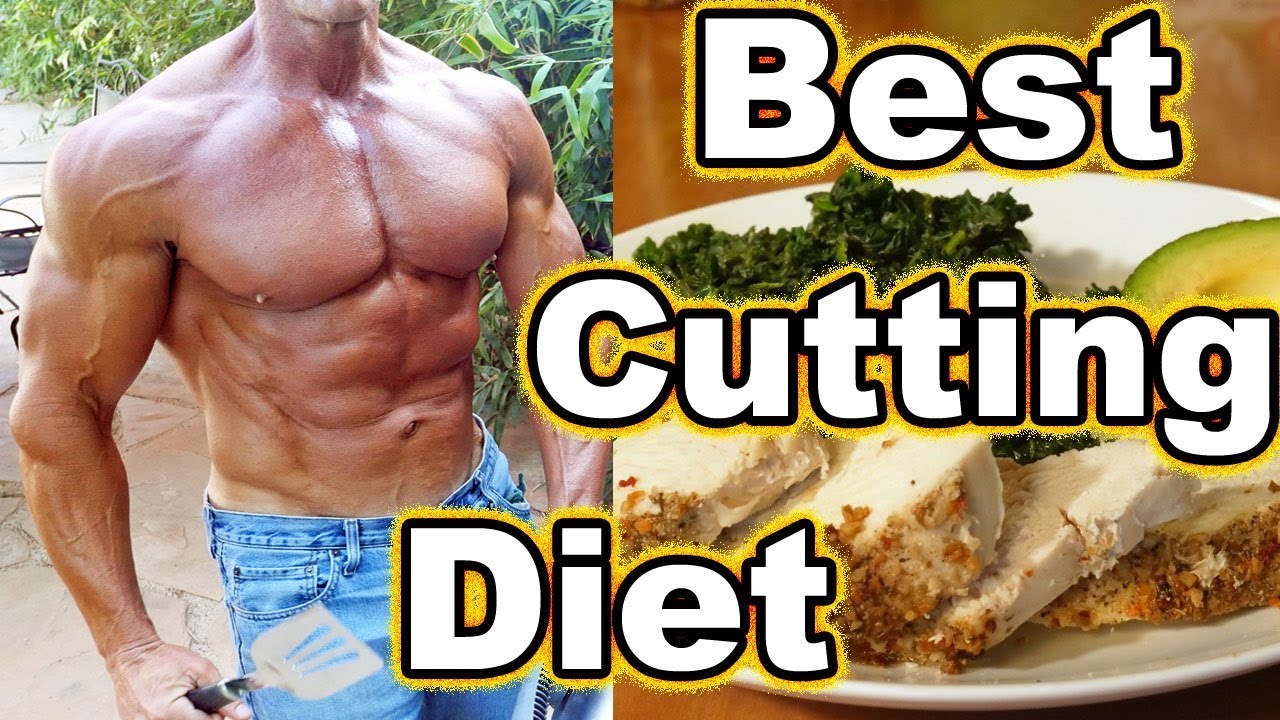
A cutting diet is a phase in bodybuilding that primarily focuses on losing body fat while maintaining muscle mass. It involves a specific nutritional plan tailored to reduce calorie intake yet sustain adequate protein to preserve muscle. The main goal is to achieve a lean and defined physique. Many athletes and fitness enthusiasts implement this diet before competitions or events to enhance their muscle visibility and overall aesthetics.
How long does the cutting phase usually last?
The length of a cutting phase can vary greatly among individuals, often ranging from 4 to 16 weeks. The duration depends on factors like starting body fat percentage, desired body fat level, and individual metabolism. It’s crucial to maintain a gradual approach to avoid losing muscle mass alongside fat. Ensuring that you have a carefully structured plan will be essential in optimizing results during your cutting period.
What kind of foods should be included in a cutting diet?
A cutting diet typically includes lean protein sources such as chicken, turkey, fish, and legumes. Complex carbohydrates like sweet potatoes, brown rice, and quinoa are also crucial for energy. Healthy fats from sources like avocados, nuts, and olive oil help in maintaining hormone levels. Vegetables and fruits provide essential vitamins and minerals while keeping calorie intake in check. Balancing these macronutrients is vital for muscle preservation and fat loss.
FREE SHIPPING
CLICK HERE!
HOT PROMOTIONS!
♀ PT 141 10MG/VIAL Bremelanotide KIT 10vials FIERCE

Original price was: $ 400.00.$ 279.00Current price is: $ 279.00.
STADA TESTOSTERONE CYPIONATE 300MG 10ML

Original price was: $ 119.00.$ 99.00Current price is: $ 99.00.
OFFER: STADA ANAVAR 10MG 80 TABLETS

Original price was: $ 88.00.$ 79.00Current price is: $ 79.00.
Fierce testosterone propionate 100mg / ml 10ml

Original price was: $ 72.00.$ 69.00Current price is: $ 69.00.
How is a cutting diet different from other diets?
Unlike general weight loss diets, a cutting diet for bodybuilding is specifically designed to minimize fat loss while maximizing muscle retention. The focus is on precision in nutrient timing and macronutrient distribution, with a significant emphasis on proteins. It often involves a more rigorous exercise regimen and might include strategic cardio sessions. This diet is typically planned around the specific needs and goals of a bodybuilder, which differs from the average dietary plan.
How can one avoid losing muscle on a cutting diet?
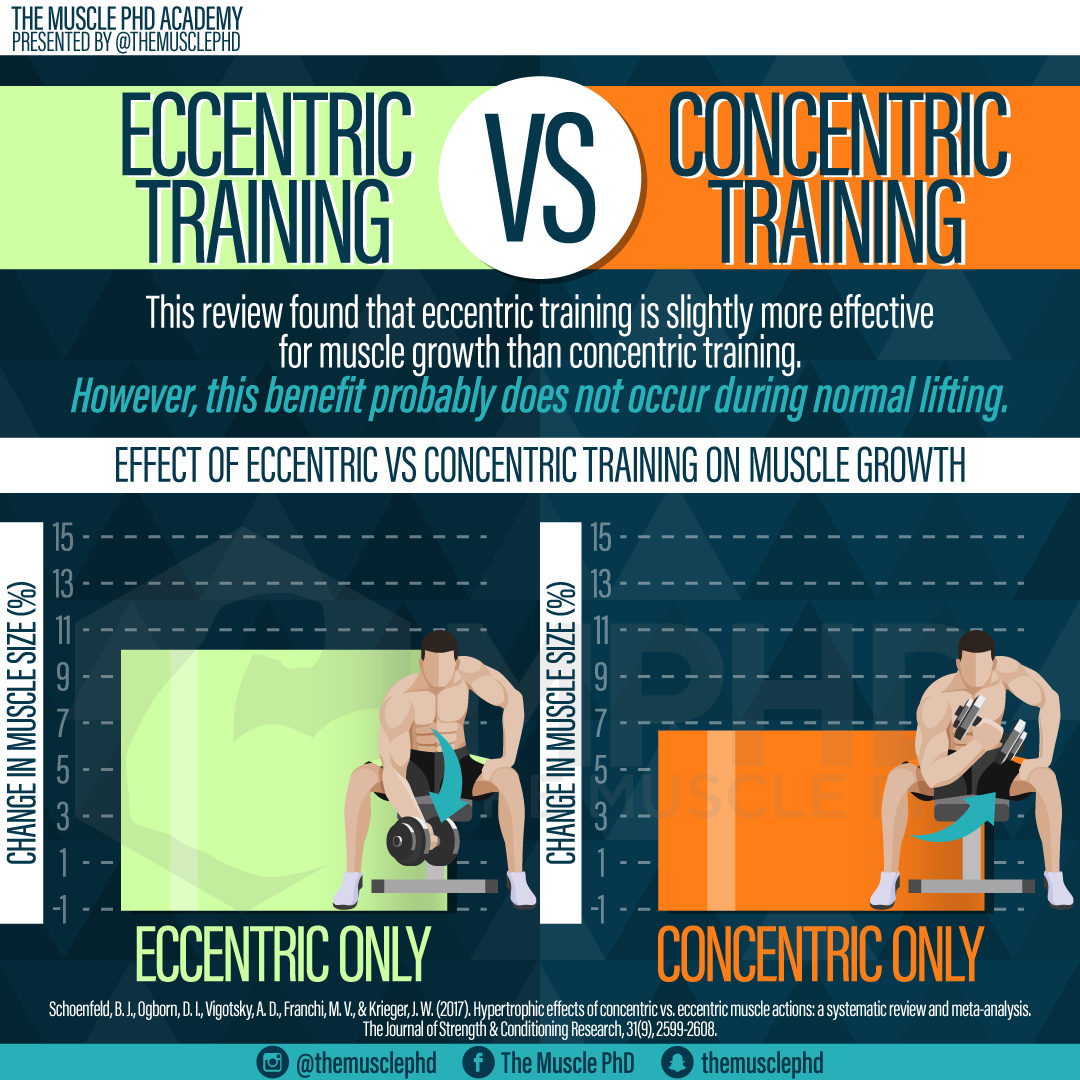
Retaining muscle during a cutting phase requires a balance of adequate protein intake, strength training, and gradual caloric reduction. Consuming sufficient amounts of protein helps prevent muscle breakdown. Regular resistance training signals the body to maintain muscle tissue even during calorie deficit. It’s essential to avoid drastic calorie cuts which can lead to muscle loss. Implementing a well-researched approach can help mitigate muscle loss concerns.
Do I need to take supplements during a cutting phase?
While not mandatory, supplements can be beneficial in offering additional nutritional support during a cutting phase. Popular options include protein powders to meet protein goals, branched-chain amino acids (BCAAs) for muscle recovery, and omega-3 fatty acids for fat loss support. However, it’s important to remember that supplements should not replace whole foods, but rather complement them. Consulting with a nutritionist or fitness expert can help tailor supplement use to your needs.
What role does exercise play in a cutting phase?
Exercise is a critical component of a successful cutting phase. Strength training helps maintain muscle mass, while a strategic cardio routine can aid in fat loss. Balancing resistance workouts with cardiovascular exercises ensures the body is effectively using stored fat for energy without compromising muscle. Consistency and intensity in workouts will enhance the effectiveness of the cutting diet.
[ratemypost]
How important is hydration in a cutting diet for bodybuilding?
Hydration is crucial in any diet, particularly during a cutting phase where nutrient density is prioritized. Proper hydration helps in muscle recovery, digestion, and maintaining metabolic processes. Water assists in the transport of nutrients within the body and the elimination of waste. Drinking adequate water can also help manage hunger and improve workout performance.
Can cutting too many calories be harmful?
Yes, cutting too many calories can be harmful and counterproductive. Drastic calorie reduction can lead to muscle loss, lowered metabolism, and fatigue. Moreover, it may cause the body to enter starvation mode, where it conserves energy by reducing calorie burn. For safe and effective cutting, a moderate calorie deficit combined with appropriate macronutrient intake is advised.
Is it necessary to have a cheat day on a cutting diet?
A cheat day or meal can offer psychological and physiological benefits, providing a break from strict dieting. It can help in refueling glycogen stores and boosting metabolism. However, it’s important to approach cheat days with balance and moderation to avoid undoing progress. Careful planning around such indulgences ensures they complement rather than hinder your cutting goals.