

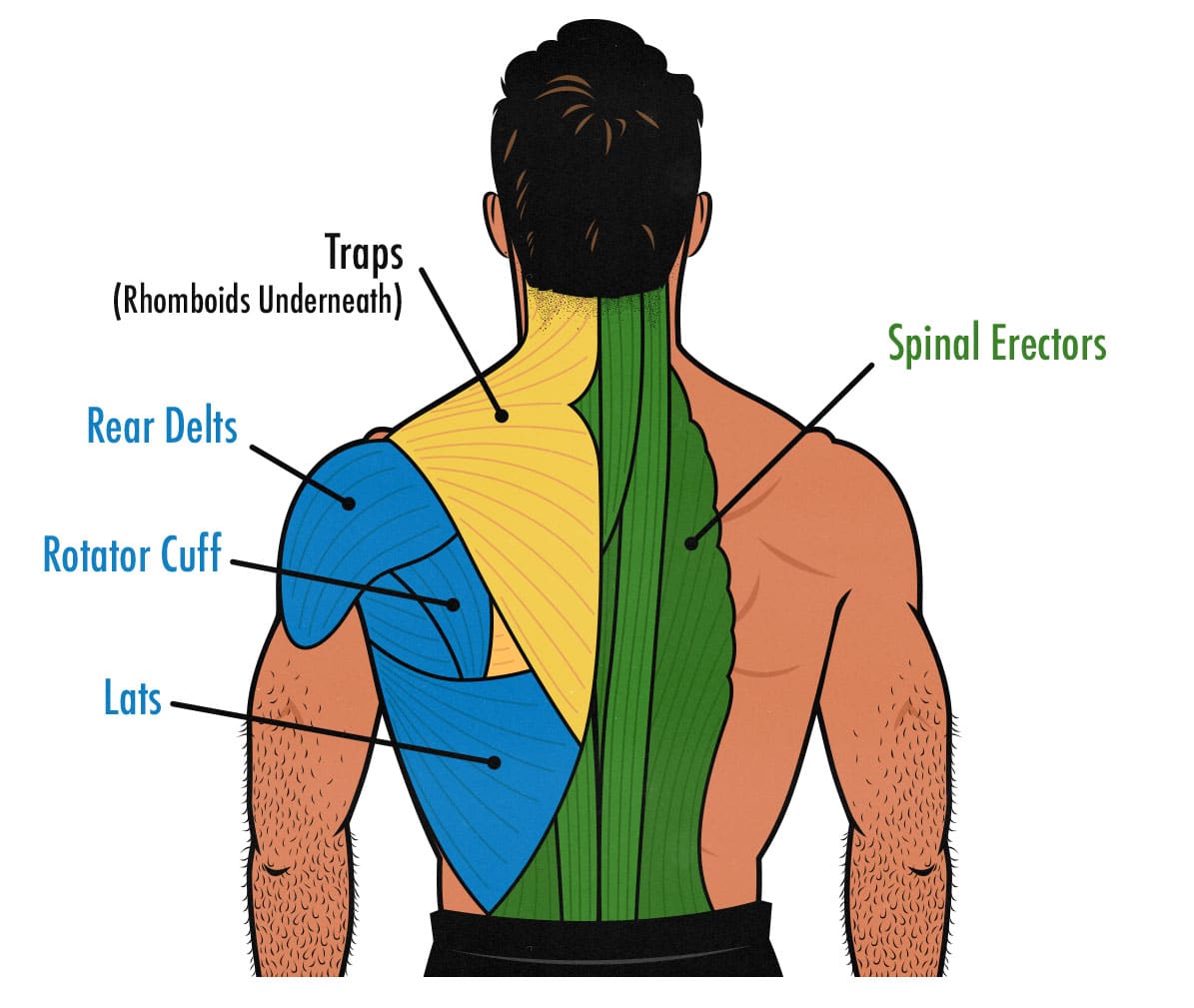
What is a Rear Delt Fly and What Muscles Does It Target?
Frequently Asked Questions About the Rear Delt Fly
What is a Rear Delt Fly?
The rear delt fly is a strength training exercise that targets the rear deltoids, which are the muscles located on the back of your shoulders. By engaging this muscle group, the rear delt fly helps improve posture, enhance shoulder stability, and balance the overall development of the shoulder muscles.
How is the Rear Delt Fly Performed?
To perform the rear delt fly, begin by standing with your feet shoulder-width apart and holding a pair of dumbbells at your sides. Bend slightly at the hips while keeping your back straight. With a slight bend in your elbows, lift the weights outward to shoulder height, squeezing your shoulder blades together, before slowly lowering them back to the starting position. Focus on controlled movements to maximize effectiveness and prevent injury.
What Are the Benefits of the Rear Delt Fly?
The primary benefit of the rear delt fly is the strengthening of the rear deltoids. This exercise helps improve upper body posture, prevents shoulder injuries, and increases shoulder stability. Additionally, it enhances the overall aesthetics of your shoulders, contributing to a more balanced and fuller look. By incorporating the rear delt fly into your workout routine, you can also reduce the risk of muscle imbalances.
How Often Should I Do Rear Delt Fly in My Workout Routine?
For optimal results, the rear delt fly should be incorporated into your workout routine 2-3 times per week. It’s important to allow adequate rest between sessions to facilitate muscle recovery. Ensure you focus on proper form and technique rather than lifting heavier weights, which can compromise execution and potentially lead to injury.
What Variations Can I Try for the Rear Delt Fly?
There are several variations you can explore to add variety to your rear delt fly routine. Some popular variations include the bent-over cable fly, where cables replace dumbbells, and the reverse pec deck machine, which provides constant tension on the muscles. Another option is to perform the exercise while seated on a bench for added stability.
What Mistakes Should I Avoid When Performing the Rear Delt Fly?
Common mistakes to avoid during the rear delt fly include using too much weight, which can compromise form, and using momentum instead of controlled movements. Additionally, many people inadvertently activate their traps more than their rear deltoids; to prevent this, focus on squeezing your shoulder blades together rather than lifting with your traps.
Can Beginners Perform Rear Delt Fly?
Yes, rear delt fly can be performed by beginners. However, it’s essential to start with lighter weights and prioritize proper form and technique. Beginners might also benefit from guidance by a fitness professional to ensure they perform the exercise correctly and safely.
Is Rear Delt Fly Suitable for Home Workouts?
The rear delt fly is an excellent addition to home workouts due to its reliance on minimal equipment, primarily dumbbells. It’s a versatile exercise that can be performed in small spaces, making it convenient for those who prefer working out at home.
Should I Warm Up Before Performing the Rear Delt Fly?
Yes, it’s crucial to warm up before performing the rear delt fly or any exercise. A proper warm-up prepares your muscles and joints for physical activity, reducing the risk of injury. Dynamic stretches, shoulder rotations, or light cardio are effective warm-up options.
How Does Rear Delt Fly Fit Into a Full Body Workout?
In a full body workout, the rear delt fly commonly complements other exercises that target major muscle groups to provide a balanced routine. Incorporating the rear delt fly ensures that your shoulder muscles, particularly the rear deltoids, receive adequate attention alongside other major muscle groups.
FREE SHIPPING
CLICK HERE!
HOT PROMOTIONS!









[ratemypost]
Hashtags: #faq #stayfit #bodybuilding