What is HCG and what does it stand for?
I’ve come across the term HCG in various health and fitness contexts lately, especially related to weight loss and fertility treatments. It seems to be quite popular, but I’m not entirely clear on what it actually is. Could you elaborate on what HCG stands for and explain its functions, uses, and any relevant implications in those areas? Additionally, it would be helpful to understand how it works in the body and any potential side effects or controversies associated with its use.
Answer
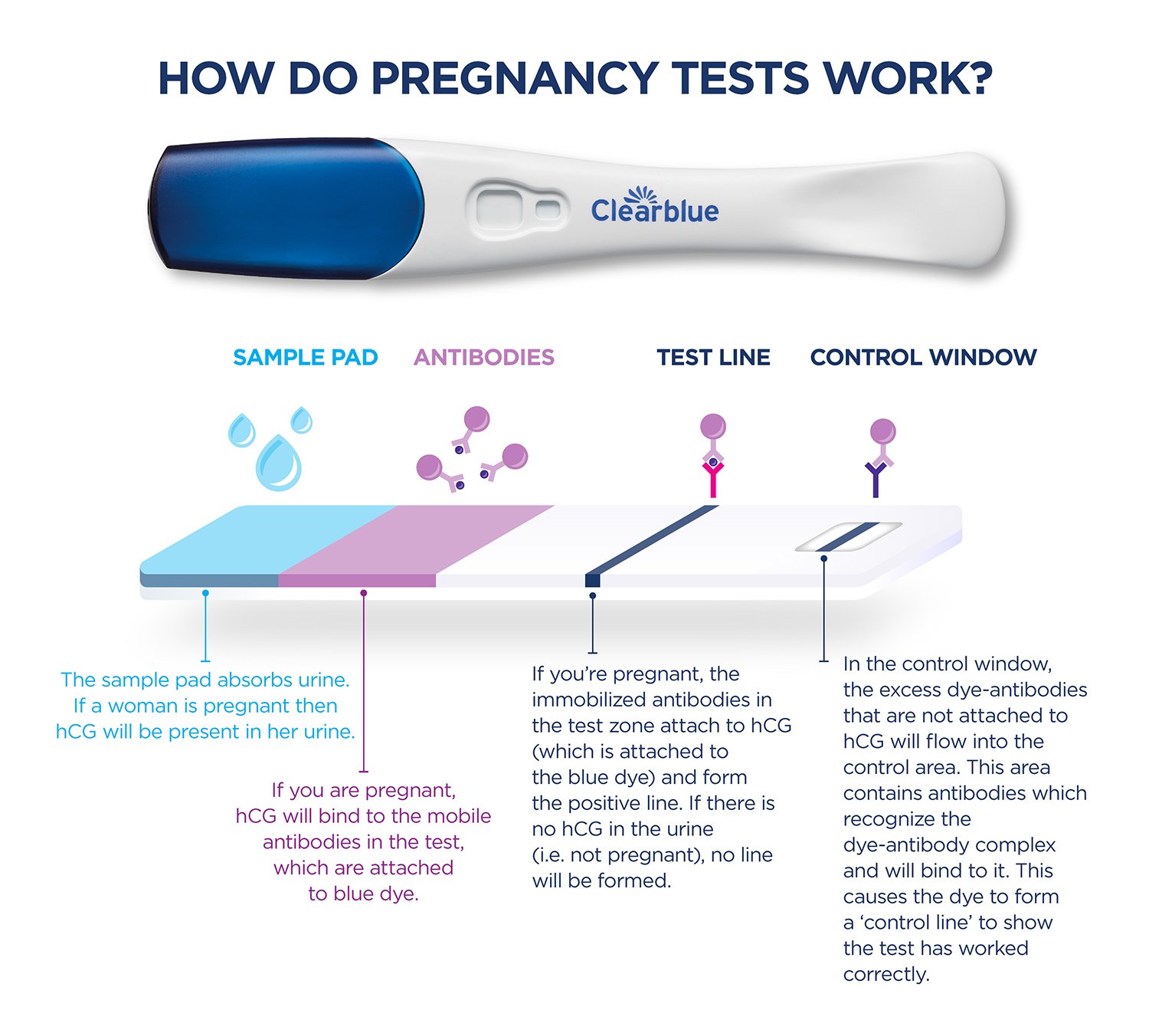
HCG stands for Human Chorionic Gonadotropin, which is a hormone produced by the placenta during pregnancy. Its primary role is to support the development of the embryo and regulate various functions throughout pregnancy. HCG is often used clinically for its effects on fertility, as it can stimulate ovulation in women and increase testosterone production and sperm count in men. In addition to its medical use, HCG has gained popularity in weight loss protocols, where it is often marketed as a fat-burning agent, particularly when combined with a very low-calorie diet.
HCG is typically administered through injections and can also be found in some fertility treatments. It mimics the luteinizing hormone (LH), which plays a critical role in regulating the reproductive system in both men and women. The hormone is used in various medical settings, including for the treatment of hormonal disorders, conditions related to the testicles, and certain types of infertility.
While there are potential benefits associated with HCG use, individuals considering it for weight loss or other non-medical purposes should be cautious and consult healthcare professionals, as the misuse of HCG can lead to health complications.
For more information, you can visit: