
What is HIIT Training? An Overview for Beginners
HIIT Training Workout FAQ
What is HIIT Training?
High-Intensity Interval Training (HIIT) is a workout strategy that alternates between short, intense bursts of activity and fixed periods of less-intense activity or rest. This approach aims to improve cardiovascular fitness, reduce fat, and build strength efficiently.
How does a HIIT workout differ from other exercise routines?
Unlike traditional workout routines that maintain a steady pace and intensity, HIIT training involves varying levels of intensity. This variation can lead to improved results in a shorter amount of time, often benefiting those with busy schedules.
What are the benefits of HIIT Training?
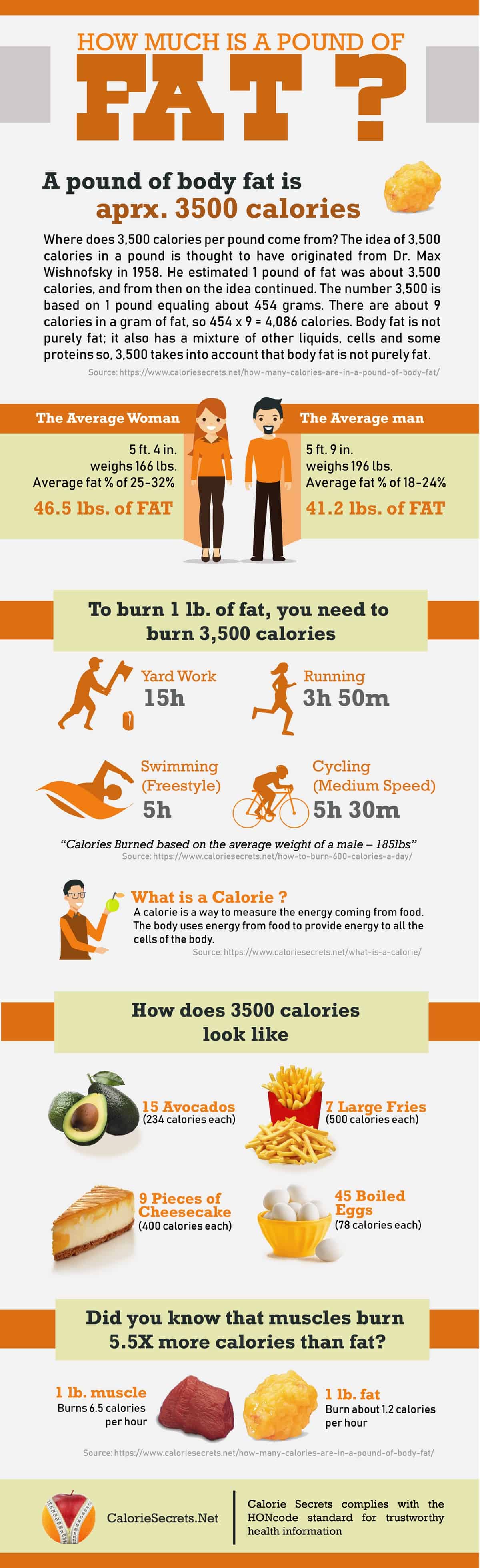
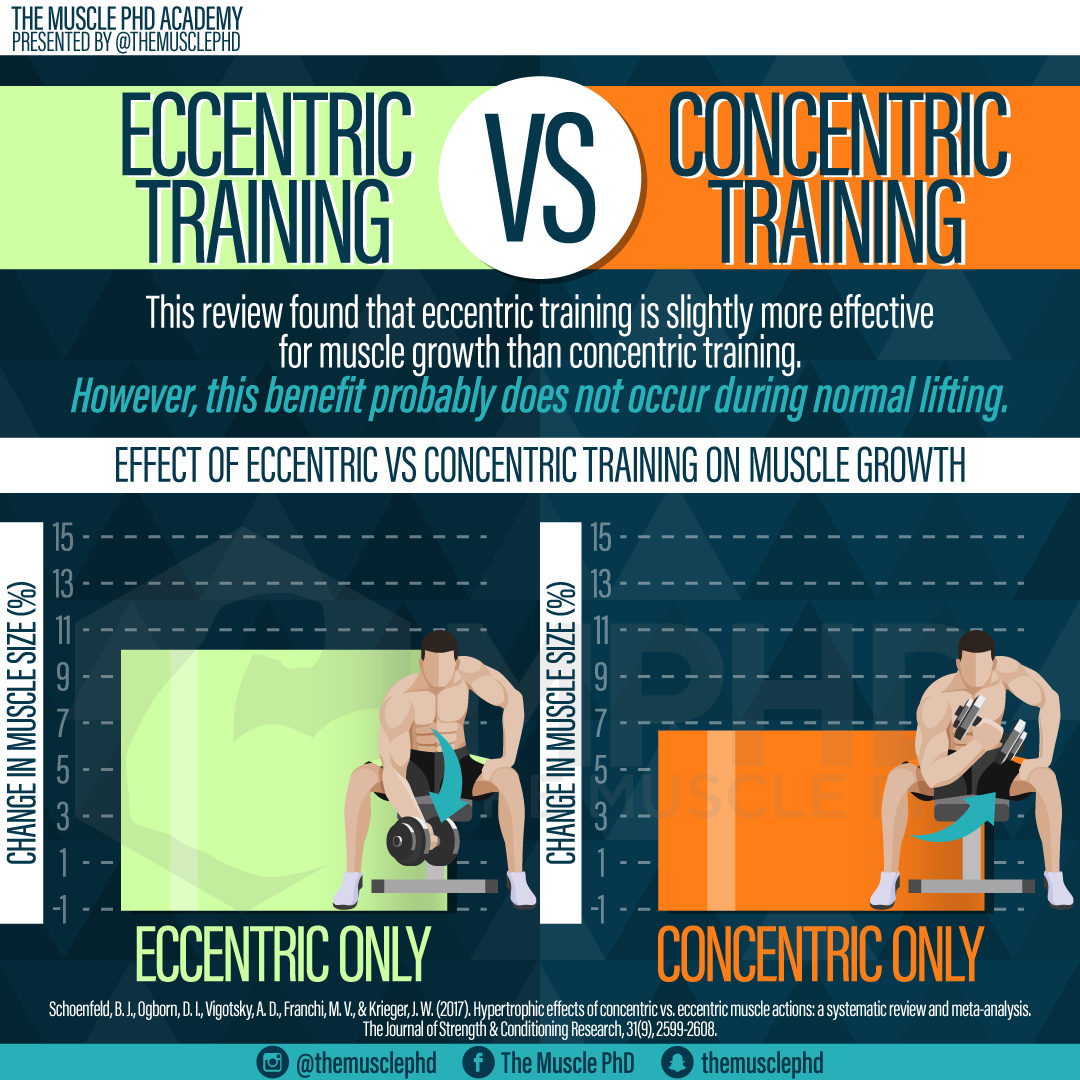
HIIT workouts are lauded for their efficiency and effectiveness. They boost metabolism, increase cardiovascular health, and aid in weight loss. Additionally, this type of workout can improve insulin sensitivity and increase muscle tone, providing a comprehensive approach to fitness.
How long should a HIIT workout last?
Typically, a HIIT session ranges from 20 to 30 minutes. The idea is to push your body to its limits in a brief period, which means less time commitment but with the potential for significant results.
What exercises are typically included in a HIIT routine?
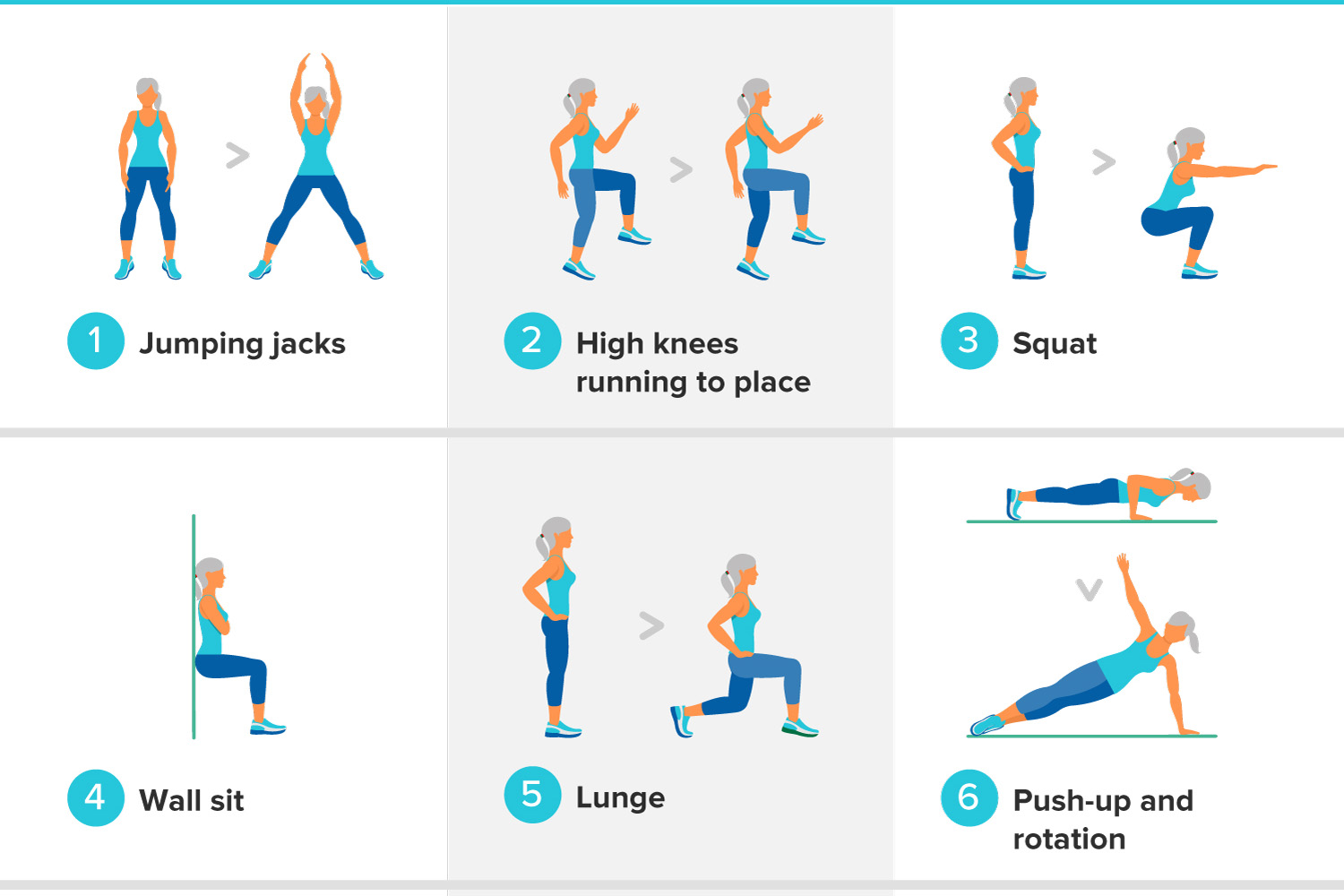
A typical HIIT training workout could include exercises like sprinting, jumping jacks, burpees, mountain climbers, and squats. These exercises are interchanged with periods of walking or complete rest, ensuring a balanced approach to high-intensity training.
Can beginners try HIIT workouts?
Yes, beginners can definitely try HIIT workouts. It’s important to start at your own pace, choose exercises you are comfortable with, and gradually increase intensity as your fitness level improves. Professional guidance or simple online tutorials can help beginners ease into the regimen.
Are there any risks associated with HIIT Training?
While HIIT workouts are generally safe for healthy individuals, they can pose risks if done incorrectly or excessively. It’s crucial to maintain proper form, stay hydrated, and listen to your body to prevent injuries. Consulting with a fitness professional beforehand can also help mitigate risks.
How often should you do HIIT workouts for optimal results?
For optimal results, it’s generally recommended to engage in HIIT training two to three times a week. This frequency allows for adequate recovery time, which is essential for muscle growth and overall fitness improvements.
Do HIIT workouts require any special equipment?
A major advantage of HIIT is that it requires little to no equipment. Bodyweight exercises are often sufficient. However, adding dumbbells, resistance bands, or kettlebells can introduce variety and enhance the workout’s intensity.
How does nutrition impact HIIT training effectiveness?
Proper nutrition is vital to support the demands of a HIIT workout. Consuming a balanced diet rich in lean proteins, complex carbohydrates, and healthy fats will fuel your sessions and aid recovery. Staying hydrated is equally important to replace fluids lost during intense exercise.
FREE SHIPPING
CLICK HERE!
HOT PROMOTIONS!

10 Pack | LQ LAB PEPTIDES | Retatrutide 5mg/vial

Original price was: $ 359.00.$ 269.00Current price is: $ 269.00.




[ratemypost]
Engage in a HIIT training workout and experience a transformative fitness journey. For any further queries, feel free to explore more resources or seek professional guidance. #faq #stayfit #bodybuilding