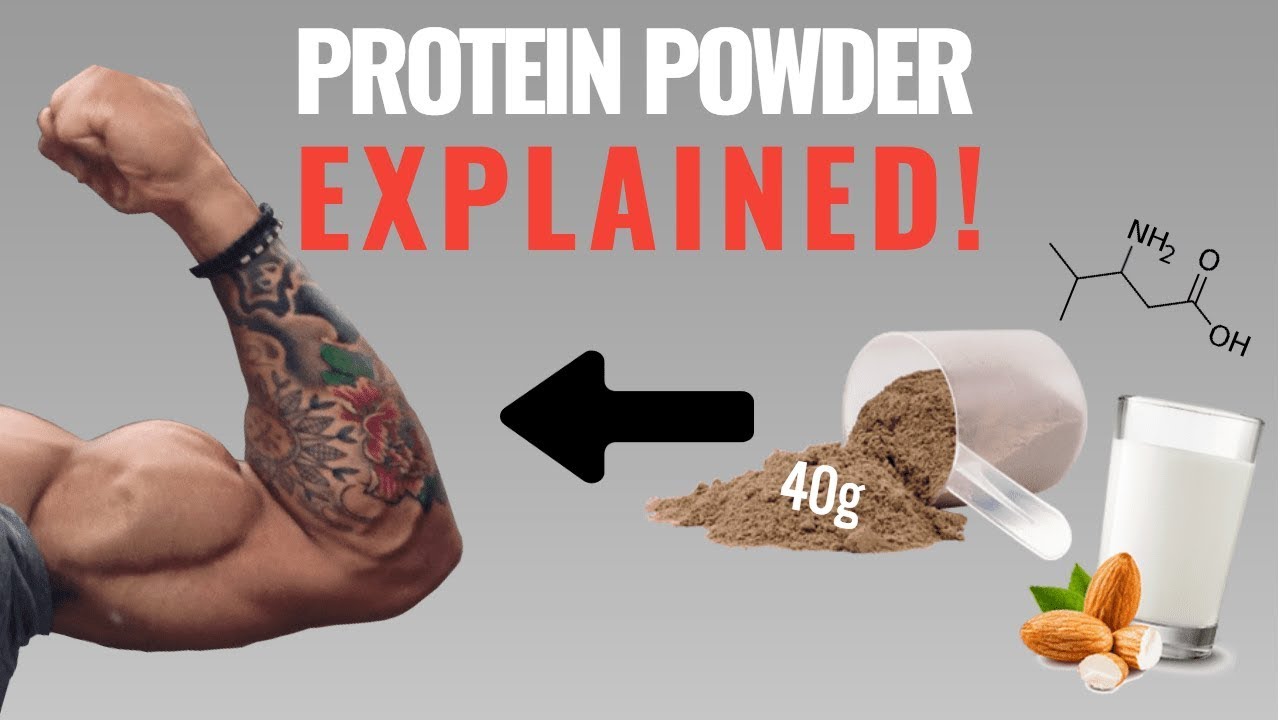
What is Muscle Building Protein Powder and How Does It Work?
TABLE OF CONTENTS
- 1 FAQ About Muscle Building Protein Powder
- 1.1 What is Muscle Building Protein Powder?
- 1.2 How Does Muscle Building Protein Powder Work?
- 1.3 When is the Best Time to Consume It?
- 1.4 How Much Protein Powder Should I Take Daily?
- 1.5 Are There Any Side Effects?
- 1.6 Is It Suitable for Vegetarians and Vegans?
- 1.7 How Do I Choose the Right Protein Powder?
- 1.8 Can Protein Powder Help with Weight Loss?
- 1.9 Is It Necessary for Muscle Building?
- 1.10 Can It Be Mixed with Other Supplements?
- 2 Related
FAQ About Muscle Building Protein Powder
What is Muscle Building Protein Powder?
Muscle building protein powder is a dietary supplement designed to help individuals meet their protein needs, enhance muscle growth, and improve recovery post-exercise. These powders are typically made from whey, casein, soy, or plant-based proteins, providing a convenient way to increase protein intake, particularly for those engaged in regular resistance training.
How Does Muscle Building Protein Powder Work?
Protein is essential for muscle repair and growth, especially after intense workouts. Consuming muscle building protein powder provides the body with amino acids, the building blocks of muscle tissue. By supplying a readily available source of these amino acids, the powder supports muscle protein synthesis, aiding in recovery and growth.
When is the Best Time to Consume It?
The optimal time to consume muscle building protein powder can vary depending on individual goals and routines. However, many experts suggest taking it post-workout to maximize its benefits, as muscles are most receptive to nutrients immediately after exercise. Additionally, consuming it in the morning or before bed can help maintain a positive protein balance throughout the day.
How Much Protein Powder Should I Take Daily?
The amount of muscle building protein powder you need depends on factors like your body weight, activity level, and overall protein requirements. General recommendations suggest consuming 1.2 to 2.2 grams of protein per kilogram of body weight per day, especially for those engaged in regular strength training. It’s crucial to remember that this total includes all protein sources, not just supplements.
Are There Any Side Effects?
While muscle building protein powder is generally safe for most people, excessive consumption can lead to digestive issues such as bloating, gas, and cramps. It’s important to follow the manufacturer’s guidelines and consult with a healthcare professional if you have underlying health conditions or allergies. Staying hydrated and maintaining a balanced diet can also help mitigate potential side effects.
Is It Suitable for Vegetarians and Vegans?
Yes, there are muscle building protein powder options tailored for vegetarians and vegans. Many plant-based powders are sourced from ingredients like pea, rice, hemp, or a blend of various plant proteins. These products offer a viable alternative for those who prefer to avoid animal-derived proteins like whey or casein.
How Do I Choose the Right Protein Powder?
Selecting the appropriate muscle building protein powder involves considering your dietary preferences, nutritional needs, and budget. Key factors include the protein source (whey, casein, soy, or plant-based), the presence of additional ingredients (like sweeteners or flavorings), and the protein content per serving. Reading labels and customer reviews can help you make an informed decision.
Can Protein Powder Help with Weight Loss?
While primarily associated with muscle growth, muscle building protein powder can also support weight loss goals. Protein increases satiety, helping to reduce hunger and caloric intake. Additionally, because muscle tissue burns more calories than fat, increasing lean muscle mass through protein supplementation can boost your metabolism over time.
Is It Necessary for Muscle Building?
Muscle building protein powder is not strictly necessary for muscle growth, as it’s possible to meet protein needs through whole foods like meat, dairy, eggs, and legumes. However, for those who struggle to consume enough protein through their diet or have increased protein requirements due to intense training, it can be a practical supplement.
Can It Be Mixed with Other Supplements?
Yes, muscle building protein powder can often be combined with other supplements like creatine, BCAAs (branched-chain amino acids), or pre-workout formulas. However, it’s crucial to ensure these combinations are safe and effective for your health and fitness goals. Consulting with a nutritionist or healthcare provider can provide personalized guidance.
For detailed product options and reviews, explore our collection here:
FREE SHIPPING
CLICK HERE!
HOT PROMOTIONS!

ANAVAR | ZPHC ANAVAR 5 MG SPECTRUMPHARM 100Tab

Original price was: $ 119.00.$ 59.00Current price is: $ 59.00.