
What is nicotinamide adenine dinucleotide (NAD+) and why is it important?
What is nicotinamide adenine dinucleotide (NAD+) and why is it important in cellular metabolism and energy production? Additionally, can you explain its role in various biological processes, such as oxidative phosphorylation, DNA repair, and aging? Furthermore, how does NAD+ influence the function of sirtuins and other enzymes, and what implications does this have for health and longevity?
Answer
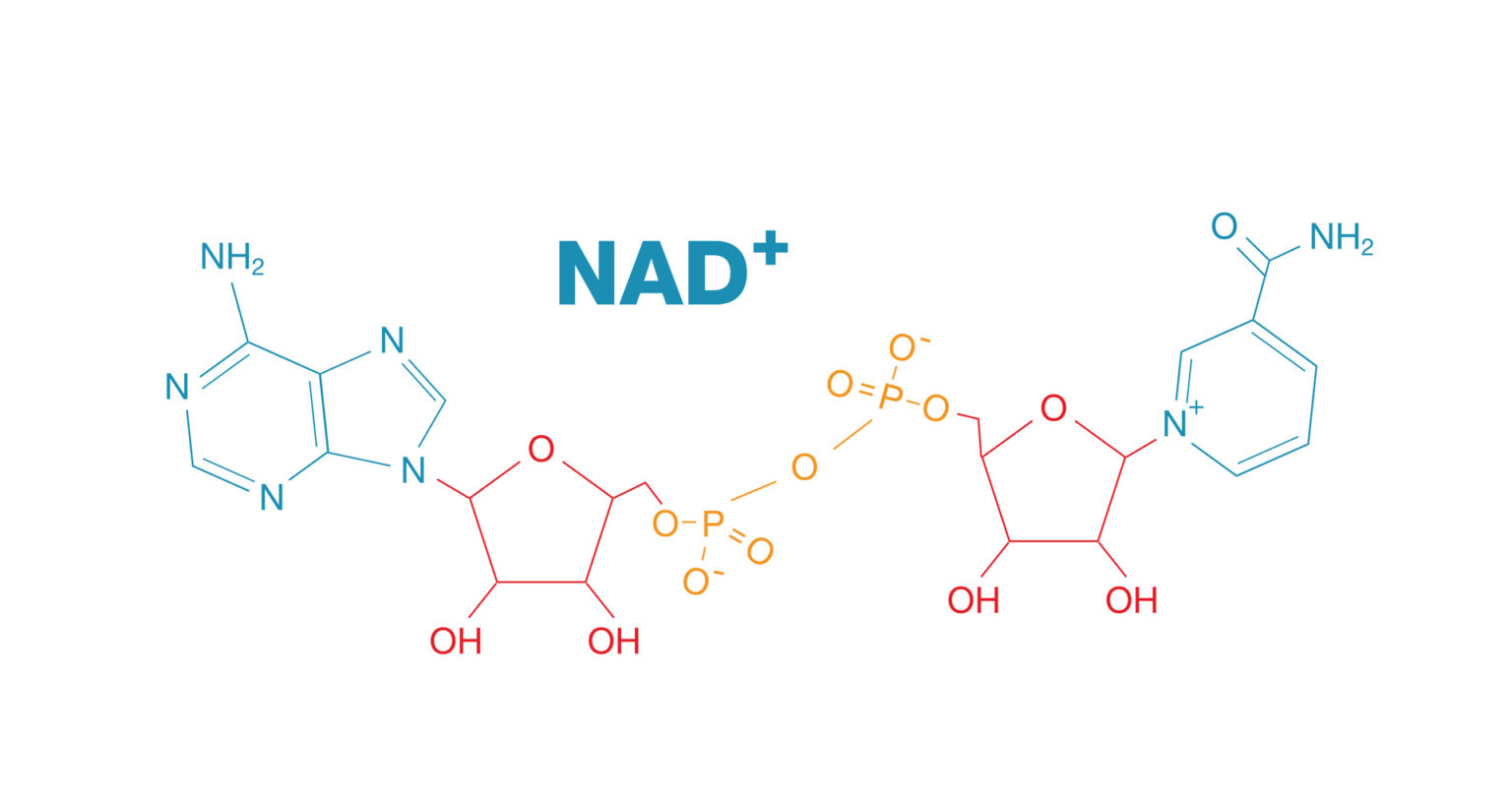
Nicotinamide adenine dinucleotide (NAD+) is a coenzyme present in all living cells. It exists in two forms: NAD+ (oxidized) and NADH (reduced). NAD+ plays a critical role in metabolic processes, primarily by functioning as a key electron transporter in redox reactions, which are essential for the production of adenosine triphosphate (ATP). ATP serves as the primary energy currency of the cell, making NAD+ essential for energy metabolism.
NAD+ is also crucial for DNA repair, genomic stability, and various signaling pathways. It serves as a substrate for sirtuins, a family of proteins that regulate cellular health, influence aging, and maintain metabolic homeostasis. Moreover, during times of cellular stress or damage, NAD+ levels can substantially influence the cell’s ability to recover and maintain physiological functions.
As humans age, NAD+ levels decline, which is associated with various age-related diseases and diminished cellular function. Supplementing NAD+ or its precursors has gained attention for potential benefits in enhancing cellular energy, supporting metabolic health, and possibly slowing down the aging process. Therefore, maintaining adequate NAD+ levels may be essential for overall health and longevity.
For those interested in exploring more about this subject, you can visit the following links:
If you’re curious about our projects, please check out our portfolio at 24-7.is.