What is testosterone and what role does it play in the body?
What is testosterone, and what role does it play in the body? I’ve been reading a lot about hormones and their impact on overall health, particularly in relation to muscle growth, energy levels, and mood regulation. I understand that testosterone is often referred to as the primary male sex hormone, but I’m curious about how it functions beyond that basic definition. How does testosterone influence physical attributes, such as muscle mass and fat distribution? Additionally, how does it affect mental health, libido, and overall well-being in both men and women? I’m also interested in how levels of testosterone can change with age, lifestyle factors, or medical conditions, and what implications that might have for health and vitality. Can you provide a comprehensive overview of this hormone’s significance in the body?
Answer
Testosterone is a steroid hormone that plays a crucial role in various bodily functions, primarily known for its role in the development of male physical characteristics. It is produced mainly in the testes in males and in smaller amounts in the ovaries and adrenal glands in females.
Functions and Roles of Testosterone:
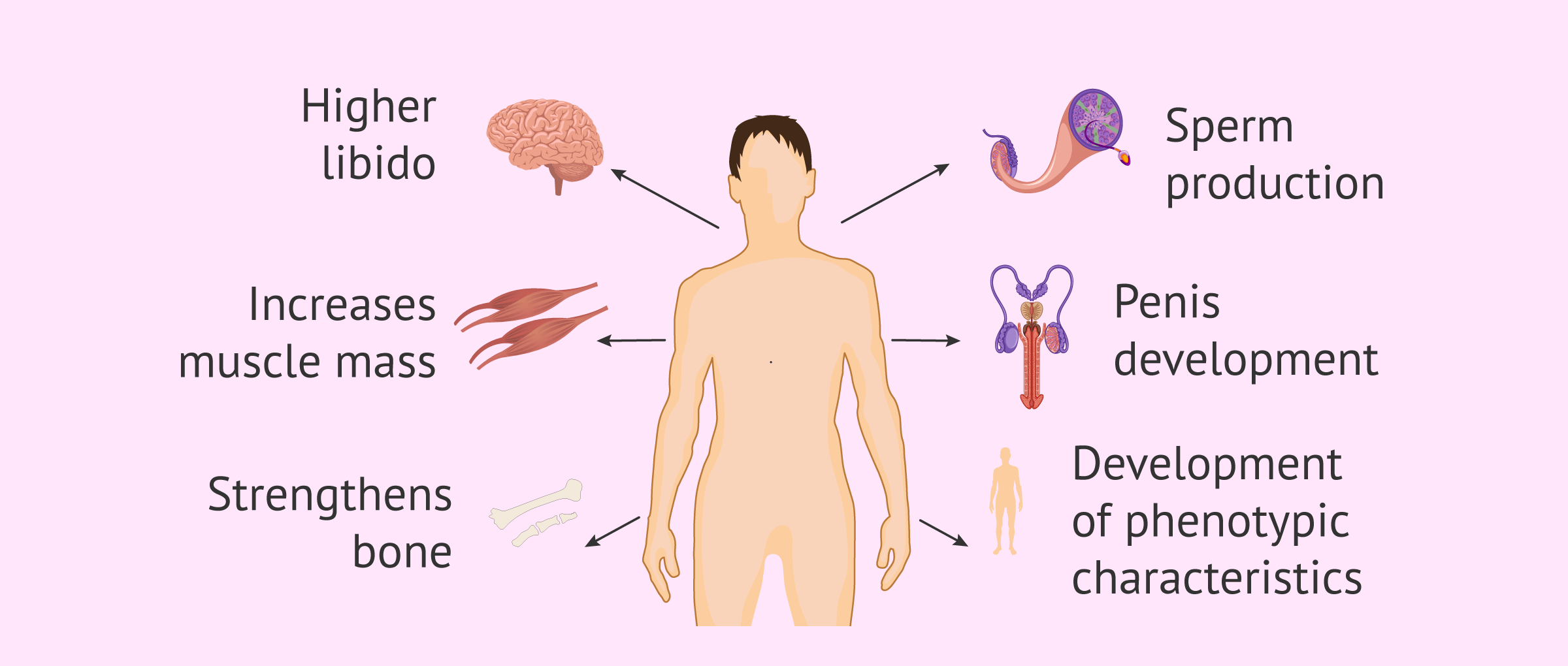
Development of Male Characteristics: Testosterone is responsible for the development of primary sexual characteristics (such as the growth of the testes and penis) during puberty. It also promotes the development of secondary sexual characteristics, including increased muscle mass, body hair, and a deeper voice.
Muscle Mass and Strength: Testosterone has a significant impact on muscle growth and strength. It stimulates protein synthesis, which contributes to muscle development. Higher levels of testosterone are often associated with increased physical performance and muscle recovery.
Bone Density: Testosterone plays a vital role in maintaining bone density. It helps in the regulation of bone mineralization and the maintenance of bone strength, reducing the risk of osteoporosis and fractures.
Sexual Function: In males, testosterone is essential for libido, erectile function, and overall sexual health. Low levels of testosterone can lead to decreased sexual desire and difficulties with erections.
Fat Distribution: Testosterone influences fat distribution in the body. Typically, higher testosterone levels contribute to a lower body fat percentage, while lower levels can lead to increased fat accumulation, especially around the abdomen.
Mood and Cognitive Function: Testosterone has been linked to mood regulation and cognitive function. Low testosterone levels are associated with increased risk of mood disorders, fatigue, and cognitive decline.
Blood Cell Production: Testosterone stimulates the production of red blood cells in the bone marrow, contributing to overall energy levels and oxygen transport in the body.
- Metabolic Regulation: Testosterone influences metabolic processes and can affect insulin sensitivity. This plays a role in body composition and the risk of developing metabolic disorders.
In summary, testosterone is a vital hormone that influences numerous aspects of health ranging from physical traits to emotional well-being. Its levels can vary throughout life and can be affected by various factors including age, health conditions, and lifestyle.
https://healthy.kaiserpermanente.org
https://www.steroid.com/Prohormones.php