

What is the Function of the Growth Hormone Receptor?
FAQ About Growth Hormone Receptor
What is a Growth Hormone Receptor?
A growth hormone receptor (GHR) is a protein present on the surface of certain cells in the body. GHR plays a crucial role in how the body utilizes and responds to growth hormone, which is vital for growth, cell repair, and metabolism. When growth hormone binds to these receptors, it activates processes that promote growth, increase muscle mass, and aid in the healing processes. This interaction is essential for maintaining a healthy physiology, ensuring that the body’s cells function correctly.
FREE SHIPPING
CLICK HERE!
HOT PROMOTIONS!







Beligas Prime Testosterone (Suspension) 100mg
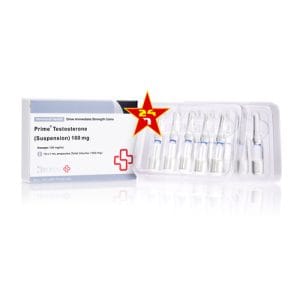
Original price was: $ 99.00.$ 69.00Current price is: $ 69.00.

CROWX 👑 ViaRow 50 tab | Viagra 100mg | Sildenafil
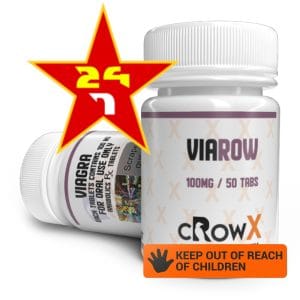
Original price was: $ 169.00.$ 109.00Current price is: $ 109.00.
How Does the Growth Hormone Receptor Work?
The growth hormone receptor works by binding with growth hormone, which is released by the pituitary gland. Once bound, GHR activates various signaling pathways within the cell, leading to the transcription of genes necessary for growth and metabolism. This activation can affect numerous bodily processes, from protein synthesis to lipolysis, which helps the body use fat as an energy source. Therefore, the proper functioning of these receptors is critical for maintaining overall health and well-being.
Why is the Growth Hormone Receptor Important?
The growth hormone receptor is important because it mediates the actions of growth hormone. Proper receptor function is essential for growth during childhood and adolescence and for maintaining tissue and organ health in adults. Deficiencies or mutations in these receptors can lead to growth-related disorders and metabolic conditions, such as dwarfism or acromegaly, underscoring the receptor’s significance in regulating the body’s normal function.
Can Growth Hormone Receptor Defects Be Treated?
Yes, growth hormone receptor defects can be treated, but the approach depends on the specific defect. Treatments may include hormone replacement therapies, such as injections of synthetic growth hormone, or medications that can enhance receptor function. Early diagnosis and treatment are crucial to manage symptoms and improve quality of life, especially in children with growth deficiencies.
Are There Side Effects to Targeting Growth Hormone Receptors?
Targeting growth hormone receptors can result in side effects, especially if growth hormone therapy is involved. Potential side effects include joint pain, insulin resistance, and increased risk of diabetes or cardiovascular disease. Monitoring by a healthcare provider is necessary to mitigate these risks and ensure the benefits of therapy outweigh the potential adverse effects.
[ratemypost]
How Can Lifestyle Choices Impact Growth Hormone Receptor Functionality?
Lifestyle choices can significantly influence the functionality of growth hormone receptors. Regular exercise, adequate sleep, and a balanced diet enhance the body’s natural hormone production and receptor sensitivity. Nutrition rich in proteins and amino acids can particularly benefit muscle growth and repair, promoting better overall health and maximizing receptor efficiency. Maintaining a healthy lifestyle is essential for supporting the physiological processes that depend on these receptors.
Is Research Ongoing in the Field of Growth Hormone Receptors?
Research into growth hormone receptors is ongoing, with scientists exploring their role in various health conditions and how they can be targeted for therapeutic purposes. Advances in biotechnology and molecular biology continue to shed light on the complexities of these receptors, offering promising avenues for future treatments. This research is vital for developing new strategies to address diseases related to receptor deficiencies or malfunctions.
How Can Growth Hormone Receptors Affect Athletic Performance?
Growth hormone receptors can impact athletic performance by promoting muscle growth and repair. By facilitating the action of growth hormones, these receptors help athletes increase their strength and endurance. However, it’s important for athletes to avoid illicit use of growth hormone enhancers, as misuse can lead to serious health issues and potential disqualification in competitive sports.
Are Growth Hormone Receptors Involved in Aging?
Yes, growth hormone receptors play a role in the aging process. As people age, the production of growth hormones and the sensitivity of their receptors tend to decline, which can contribute to muscle loss, decreased bone density, and other age-related issues. Research is exploring how modulating GHR activity might slow or reverse some aspects of aging, offering potential anti-aging interventions in the future.
Where Can I Learn More About Growth Hormone Receptors?
To learn more about growth hormone receptors, consider consulting scientific literature, health websites, and medical professionals. Reliable information is vital for understanding their function and implications for health and disease. Engaging with a knowledgeable healthcare provider can provide personalized insights into how these receptors might affect individual health.
Concluding Thoughts
The study of growth hormone receptors presents exciting opportunities for advancing health and fitness. Understanding their role can lead to improved treatment for disorders and insights into enhancing human performance and aging. Stay informed and consult professionals to navigate the complexities of growth hormone receptor science.