What is Whey and How is it Produced?
TABLE OF CONTENTS
- 1 Frequently Asked Questions About Whey Protein
- 1.1 What is Whey Protein?
- 1.2 How is Whey Protein Made?
- 1.3 What Are the Different Types of Whey Protein?
- 1.4 Why Choose Whey Protein?
- 1.5 How Should Whey Protein be Consumed?
- 1.6 Are There Any Side Effects?
- 1.7 Is Whey Protein Suitable for Everyone?
- 1.8 Where Can I Buy Whey Protein?
- 1.9 How Long Does Whey Protein Last?
- 1.10 How Do I Store Whey Protein?
- 1.11 Related
Frequently Asked Questions About Whey Protein
What is Whey Protein?
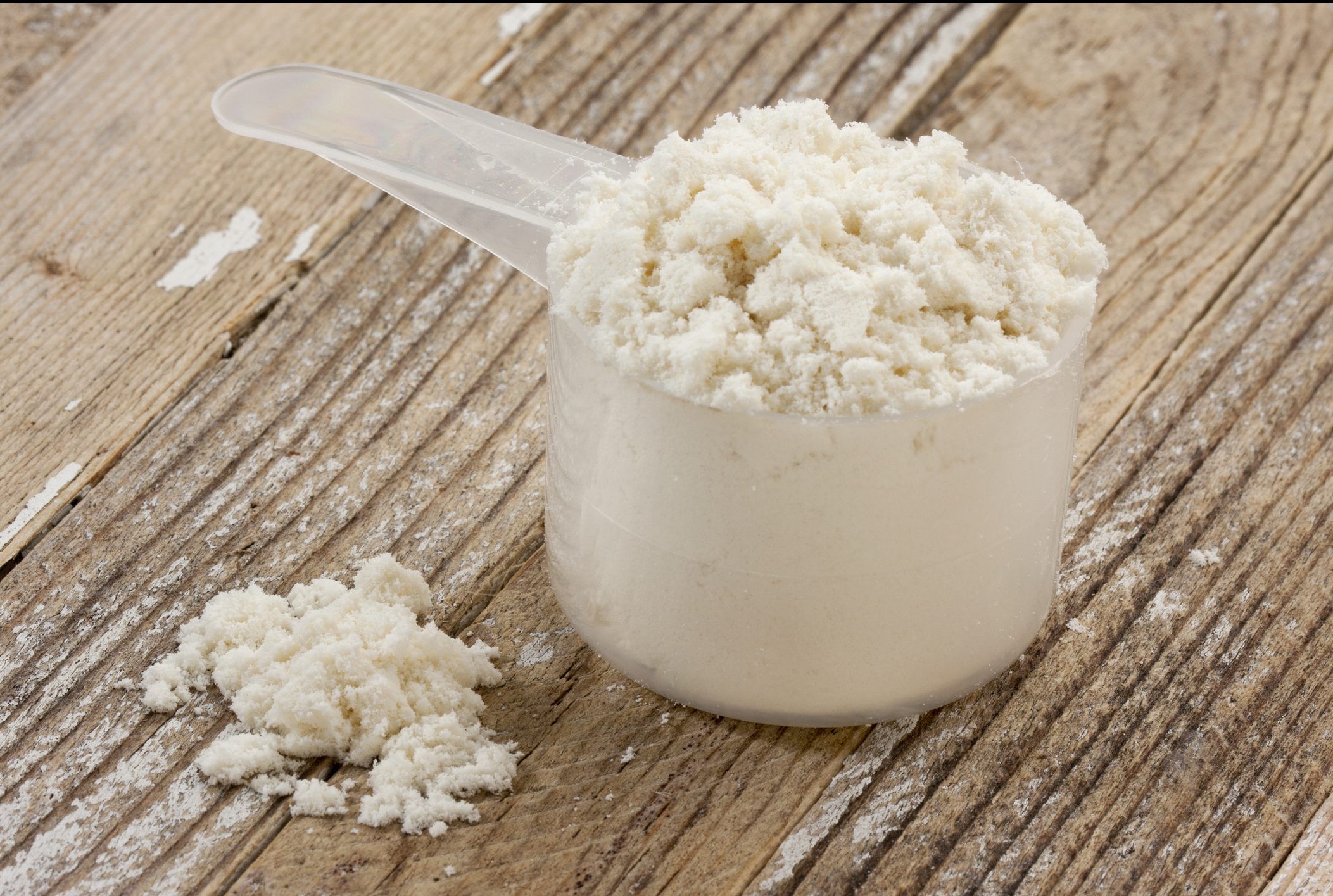
Whey protein is a popular dietary supplement derived from milk during the cheese-making process. It is a high-quality protein source packed with essential amino acids, which are crucial for muscle growth and repair. This makes whey an excellent option for athletes, bodybuilders, and individuals looking to increase their protein intake.
How is Whey Protein Made?
The production of whey protein begins with the separation of curds and whey during cheese production. The liquid whey is then processed and filtered to remove fats and carbohydrates, leaving a concentrated protein-rich powder. This powder is further refined to form whey protein concentrate, isolate, or hydrolysate, depending on the intended use and required purity levels.
What Are the Different Types of Whey Protein?
There are three primary types of whey protein:
-
- Whey Protein Concentrate (WPC): Contains around 70-80% protein, with some fats and carbohydrates. It is the least processed form of whey and retains more nutrients from the milk.
- Whey Protein Concentrate (WPC): Contains around 70-80% protein, with some fats and carbohydrates. It is the least processed form of whey and retains more nutrients from the milk.
-
- Whey Protein Isolate (WPI): Contains at least 90% protein and is further processed to remove virtually all fats and carbs, making it suitable for those who are lactose intolerant.
- Whey Protein Isolate (WPI): Contains at least 90% protein and is further processed to remove virtually all fats and carbs, making it suitable for those who are lactose intolerant.
-
- Whey Protein Hydrolysate (WPH): This is pre-digested whey protein, allowing faster absorption in the body. It is often used in medical protein supplements and infant formulas.
- Whey Protein Hydrolysate (WPH): This is pre-digested whey protein, allowing faster absorption in the body. It is often used in medical protein supplements and infant formulas.
Why Choose Whey Protein?
Whey protein is considered one of the best sources of protein due to its high biological value, meaning that the body can easily and efficiently utilize it. It supports muscle repair, aids in weight management by promoting satiety, and boosts the immune system through the presence of immune-enhancing compounds.
How Should Whey Protein be Consumed?
After workouts is an optimal time to consume whey protein, as it helps promote muscle recovery and growth. Whey protein can be mixed with water, milk, or added to smoothies. The recommended daily intake varies based on an individual’s fitness goals and dietary needs, but a general guideline is around 20-30 grams per serving.
Are There Any Side Effects?
Whey protein is generally safe for most people, but overconsumption can lead to digestive issues, such as bloating and cramps. Those with lactose intolerance should opt for whey protein isolates, which contain minimal lactose.
Is Whey Protein Suitable for Everyone?
Whey protein can be beneficial to a broad audience, including those looking to build muscle, lose weight, or supplement their diet with extra protein. However, it is not suitable for individuals with milk allergies. Additionally, consulting a healthcare professional is advisable if you have any existing medical conditions or concerns.
Where Can I Buy Whey Protein?
Whey protein is available in most health food stores, pharmacies, and online retailers. When purchasing, it’s essential to consider the reputation of the brand, ingredient lists, and quality standards.
How Long Does Whey Protein Last?
Typically, whey protein has a shelf life of around 12-18 months when stored in a cool, dry place. Check the expiration date on the packaging for specific information.
How Do I Store Whey Protein?
Whey protein should be stored in an airtight container, away from moisture and direct sunlight, to maintain its quality over time.
FREE SHIPPING
CLICK HERE!
HOT PROMOTIONS!
10 Pack | LQ LAB PEPTIDES | Retatrutide 5mg/vial

Original price was: $ 359.00.$ 269.00Current price is: $ 269.00.


[ratemypost]
These FAQs should help you understand what whey protein is and how it can benefit your fitness and health goals. Remember, every individual’s needs may vary, so it’s crucial to tailor your protein intake accordingly.