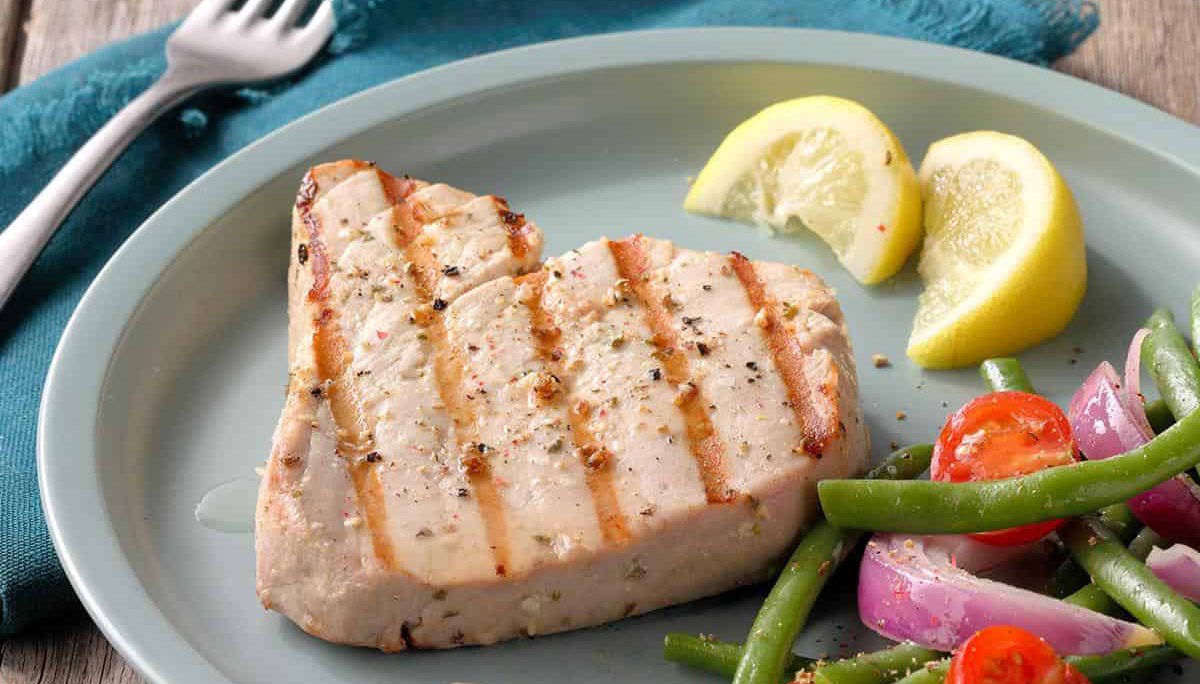
What Makes Tuna a High-Protein Food?
TABLE OF CONTENTS
- 1 Tuna Protein FAQ
- 1.1 What is Tuna Protein?
- 1.2 How Much Protein Does Tuna Contain?
- 1.3 Why is Tuna a Good Source of Protein?
- 1.4 How can Tuna Protein Benefit Athletes?
- 1.5 Is Fresh or Canned Tuna Better for Protein Intake?
- 1.6 Can Tuna Protein Aid in Weight Loss?
- 1.7 Are There Any Risks Associated with Consuming Tuna Protein?
- 1.8 How Can One Incorporate Tuna Protein into Their Diet?
- 1.9 What are the Nutritional Benefits of Tuna Besides Protein?
- 1.10 How Does Tuna Compare to Other Protein Sources?
- 1.11 Related
Tuna Protein FAQ
What is Tuna Protein?
Tuna protein refers to the protein content found in tuna fish, which is a popular dietary choice among those looking for high protein with low fat. It’s a complete protein, containing all the essential amino acids needed for muscle repair and growth.
How Much Protein Does Tuna Contain?
A 100-gram serving of tuna typically contains about 25 grams of protein. This makes it an excellent option for individuals seeking to increase their protein intake, whether they are gym enthusiasts or simply aiming for a balanced diet.
Why is Tuna a Good Source of Protein?
Tuna is not only rich in protein but also low in calories and fat, making it an ideal choice for those looking to build muscle without gaining extra weight. Additionally, it contains omega-3 fatty acids, which are beneficial for heart health.
How can Tuna Protein Benefit Athletes?
Athletes can greatly benefit from tuna protein due to its high protein content, which supports muscle recovery and growth. It may help enhance athletic performance and reduce muscle soreness after strenuous workouts.
Is Fresh or Canned Tuna Better for Protein Intake?
Both fresh and canned tuna provide high amounts of protein. However, the choice between them may depend on taste preference, convenience, and dietary needs. Canned tuna is often more accessible and has a longer shelf life, while fresh tuna might contain slightly more omega-3s.
Can Tuna Protein Aid in Weight Loss?
Yes, tuna protein can aid in weight loss as it is low in calories yet high in protein, contributing to a feeling of fullness. A protein-rich diet can help reduce cravings and control appetite, making it easier to maintain a calorie deficit.
Are There Any Risks Associated with Consuming Tuna Protein?
While tuna is a healthy source of protein, it may contain traces of mercury. It’s important to consume it in moderation, particularly for pregnant women and young children. Choosing light tuna varieties can reduce mercury exposure.
How Can One Incorporate Tuna Protein into Their Diet?
Tuna can be easily incorporated into the diet in various ways. It can be added to salads, sandwiches, or pasta dishes, and can also be enjoyed grilled, baked, or raw as sushi. It provides versatility while boosting protein intake.
What are the Nutritional Benefits of Tuna Besides Protein?
In addition to being a protein powerhouse, tuna offers numerous other nutritional benefits. It’s a good source of vitamin B12, vitamin D, potassium, and selenium. These nutrients contribute to energy production, immune function, and bone health.
How Does Tuna Compare to Other Protein Sources?
Tuna is comparable to other lean protein sources such as chicken breast and turkey. It stands out due to its omega-3 content, which is less common in lean meats. It provides a healthy alternative to red meat, with lesser saturated fat content.
FREE SHIPPING
CLICK HERE!
HOT PROMOTIONS!


[ratemypost]