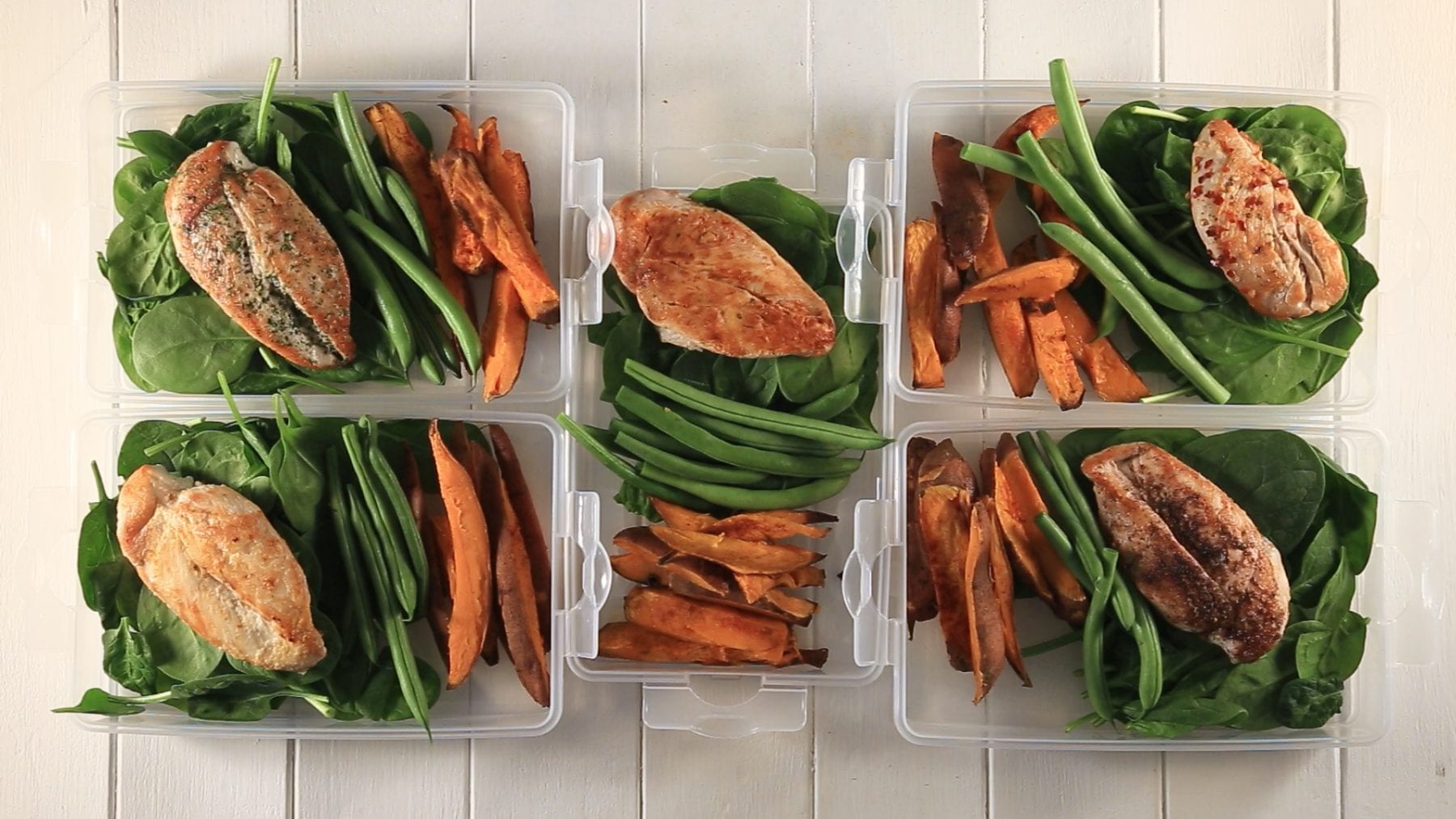
What Should a Beginner Bodybuilder’s Diet Look Like?
TABLE OF CONTENTS
- 1 FAQ: Bodybuilder Diet
- 1.1 1. What is a bodybuilder diet?
- 1.2 2. What are the main components of a bodybuilder diet?
- 1.3 3. How much protein should a bodybuilder consume daily?
- 1.4 4. What role do carbohydrates play in a bodybuilder diet?
- 1.5 5. Can a bodybuilder diet include cheat meals?
- 1.6 6. Is meal timing important in a bodybuilder diet?
- 1.7 7. Are supplements necessary in a bodybuilder diet?
- 1.8 8. How does hydration fit into a bodybuilder diet?
- 1.9 9. Can vegetarians and vegans follow a bodybuilder diet?
- 1.10 10. How can a bodybuilder diet be customized to individual needs?
- 2 Related
FAQ: Bodybuilder Diet
Bodybuilding requires a well-planned diet to support muscle growth, recovery, and overall physical performance. Below is a detailed FAQ addressing common questions about a bodybuilder’s dietary needs and strategies.
1. What is a bodybuilder diet?
A bodybuilder diet is a nutritional plan designed to increase muscle mass, reduce body fat, and enhance overall strength and endurance. It typically includes a high intake of protein, moderate carbohydrates, and healthy fats to meet the energy demands of rigorous training.
2. What are the main components of a bodybuilder diet?
A typical bodybuilder diet comprises:
-
- Protein: Essential for muscle repair and growth, sources include lean meats, fish, eggs, and plant-based options such as beans and lentils.
-
- Carbohydrates: Provide the energy required for intense workouts; complex carbs such as whole grains, fruits, and vegetables are preferred.
-
- Fats: Healthy fats from sources like avocados, nuts, and olive oil support hormone production and provide additional energy.
3. How much protein should a bodybuilder consume daily?
Bodybuilders often aim for 1.2 to 2.2 grams of protein per kilogram of body weight per day, depending on their training intensity and individual goals. Consuming protein throughout the day helps in continual muscle recovery and growth.
4. What role do carbohydrates play in a bodybuilder diet?
Carbohydrates are crucial for replenishing glycogen stores in muscles, providing the necessary energy for workouts. They help prevent fatigue and are important for post-workout recovery. Timing carb intake around training sessions can enhance performance and recovery.
5. Can a bodybuilder diet include cheat meals?
Yes, incorporating occasional cheat meals can help prevent diet fatigue and maintain long-term adherence to the nutritional plan. These meals should be enjoyed in moderation and balanced with physical activity to prevent unwanted weight gain.
6. Is meal timing important in a bodybuilder diet?
Yes, meal timing can significantly impact performance and muscle growth. Eating a balanced meal with protein and carbohydrates before training can provide energy, while consuming protein and carbs after a workout helps with recovery and muscle building.
7. Are supplements necessary in a bodybuilder diet?
While many nutrients can be obtained from whole foods, some bodybuilders use supplements to meet their nutritional needs. Common supplements include protein powders, creatine, branched-chain amino acids (BCAAs), and omega-3 fatty acids. They should complement a balanced diet, not replace it.
8. How does hydration fit into a bodybuilder diet?
Proper hydration is crucial for optimal performance, recovery, and overall health. Bodybuilders should aim to drink plenty of water before, during, and after workouts to maintain fluid balance and prevent dehydration, which can impair physical performance.
9. Can vegetarians and vegans follow a bodybuilder diet?
Yes, vegetarians and vegans can follow a bodybuilder diet by focusing on plant-based protein sources such as lentils, chickpeas, tofu, tempeh, and quinoa. Combining different plant proteins throughout the day can ensure an adequate intake of essential amino acids.
10. How can a bodybuilder diet be customized to individual needs?
A bodybuilder diet can be customized by considering personal goals, dietary preferences, allergies, and lifestyle. Consulting with a nutritionist or dietitian can help create a tailored plan that meets specific nutritional requirements and supports bodybuilding goals.
By adhering to the principles outlined above, individuals can optimize their nutrition to support their bodybuilding journey.
FREE SHIPPING
CLICK HERE!
HOT PROMOTIONS!
CROWX 👑 OXAROW 50 Mg / 50 Tabs (Oxandrolone)

Original price was: $ 149.00.$ 129.00Current price is: $ 129.00.