
Why Is Stretching Your Calf Muscles Important?
FAQ on Stretching Calf Muscles
Why is it important to stretch calf muscles?
Stretching calf muscles is crucial for maintaining flexibility, preventing injuries, and enhancing overall athletic performance. When the calf muscles are tight, they can lead to issues such as plantar fasciitis, Achilles tendonitis, and shin splints. Regular stretching helps alleviate tightness, increases blood flow, and supports muscle recovery after physical activities.
How often should I perform calf muscle stretches?
For best results, it is recommended to stretch your calf muscles at least 3 to 5 times a week. Incorporating these stretches into your routine ensures your muscles remain flexible and reduces the risk of injury, especially if you engage in activities like running, cycling, or jumping.
What are the best stretches for the calf muscles?
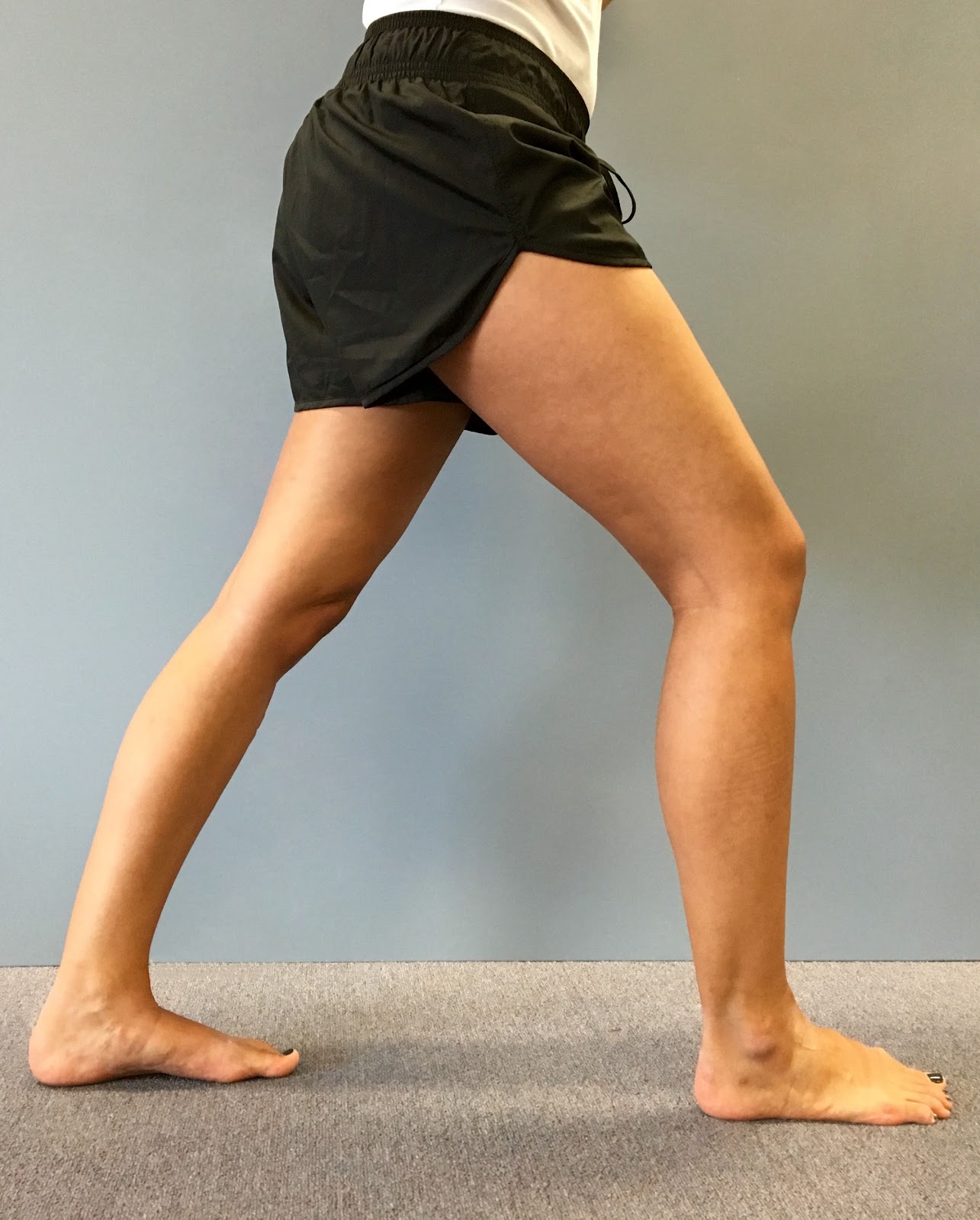
Some effective stretches for the calf muscles include the standing calf stretch, downward dog pose, and the seated towel stretch. Each of these exercises targets the muscles differently, providing comprehensive flexibility and strength improvement.
Can stretching the calf muscles help with running?
Yes, stretching the calf muscles can significantly enhance running performance. Flexible calves allow for better foot strike and smoother transitions, leading to improved stride efficiency. Stretching also helps in preventing strain and injuries commonly associated with running activities.
Should I stretch before or after exercise?
It is generally recommended to perform light dynamic warm-up stretches before exercise to prepare the muscles for activity. After exercising, you can engage in static stretches, focusing on the calf muscles, to help with cool down and recovery. This approach minimizes potential injury and supports muscle repair.
What is the role of the calf muscles?
The calf muscles, comprising the gastrocnemius and soleus, play a vital role in movements such as walking, running, and jumping. These muscles aid in the propulsion and stability of the body, which means keeping them flexible and strong through stretching is essential for daily activities and sports performance.
How can I tell if my calf muscles are tight?
Tight calf muscles often manifest as a feeling of stiffness or discomfort during movements such as walking, running, or climbing stairs. You may also experience pain or limited range of motion in the ankle. Regular stretching can help alleviate these symptoms and improve muscle elasticity.
Can I over-stretch my calf muscles?
Yes, over-stretching can lead to muscle strain or tears. It is important to stretch gently and avoid pushing beyond your comfort zone. Listen to your body, and if you feel any sharp pain during a stretch, stop immediately. Gradual and regular stretching is key to safely improving flexibility.
Are there any precautions to consider when stretching calf muscles?
When stretching calf muscles, ensure you maintain proper form to avoid unnecessary strain. It’s important to warm up before stretching and avoid bouncing during stretches. If you have any existing injuries or conditions, consult a healthcare professional for tailored advice and modifications.
How long should I hold a calf muscle stretch?
Holding a calf muscle stretch for approximately 15 to 30 seconds is generally effective. Repeat each stretch 2 to 3 times for optimal results. Ensure you perform the stretches on both legs to maintain balanced muscle flexibility and function.
FREE SHIPPING
CLICK HERE!
HOT PROMOTIONS!
Beligas Propha Testosterone 10 vials x 1ml (Propionate) 150mg

Original price was: $ 84.00.$ 79.00Current price is: $ 79.00.
♀ PT 141 10MG/VIAL Bremelanotide KIT 10vials FIERCE

Original price was: $ 400.00.$ 279.00Current price is: $ 279.00.
SOMATROPIN 100IU AXIOM HGH

Original price was: $ 299.00.$ 229.00Current price is: $ 229.00.

CROWX 👑 CIAROW 25 MG / 50 Tabs (Sildenafil)
Original price was: $ 109.00.$ 99.00Current price is: $ 99.00.
ANAVAR | ZPHC ANAVAR 5 MG SPECTRUMPHARM 100Tab
Original price was: $ 119.00.$ 59.00Current price is: $ 59.00.
ZPHC Winstrol Stanozolol 10mg x 100 Tablets
Original price was: $ 99.00.$ 79.00Current price is: $ 79.00.
[ratemypost]
By regularly incorporating these guidelines into your fitness routine, you can maintain healthy calf muscles, improve mobility, and reduce injury risks. Remember, consistency is key for achieving long-term benefits. #faq #stayfit #bodybuilding