The Power of Before and After Photos in Your Weight Loss Journey

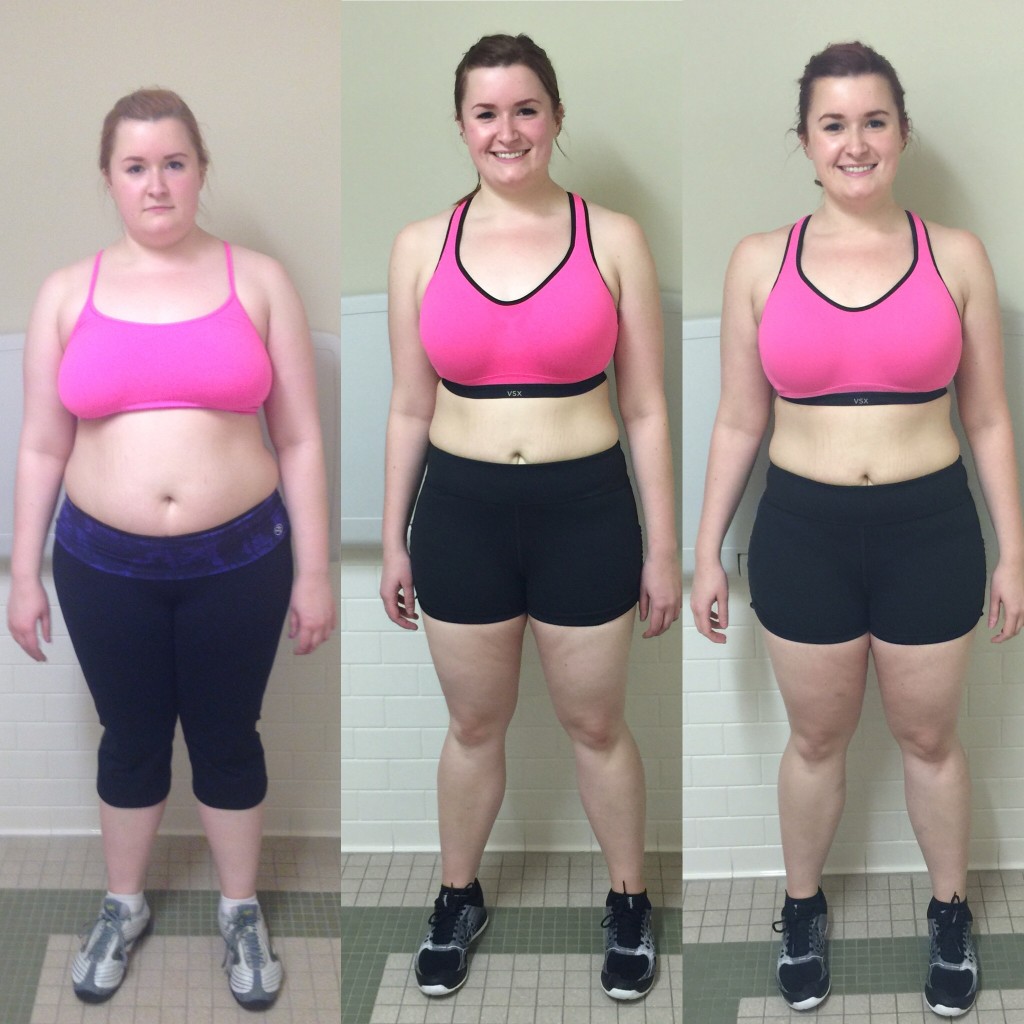
Before and after pics for weight loss serve as visual evidence of transformation, comparing images taken before and after a weight loss journey. They inspire others and document personal progress. Although motivational, they should not be the sole measure of success, as photos may not capture body composition changes. Alternative methods like body measurements and fitness levels can complement your tracking. Embrace a personalized and compassionate approach to your fitness journey.
How Does a Lose Weight by Date Calculator Work?

A “Lose Weight by Date” calculator is a tool that helps individuals set a realistic timeline for weight loss by inputting their current weight, goal weight, daily calorie intake, activity level, and timeframe. It provides a structured plan to achieve fitness goals, offering numerous benefits like tailored goal-setting and accountability. While useful, these calculators are most effective when combined with professional guidance and should be considered as part of a comprehensive weight management strategy. They also support setting realistic expectations and making sustainable changes over time.

Understanding Weight Loss: Where Does Your Body Shed Pounds First?

When embarking on a weight loss journey, it’s common to wonder where you might notice changes first. Weight loss isn’t uniformly distributed and depends on factors like genetics, hormones, age, and lifestyle choices. Genetics greatly influence fat distribution, affecting initial weight loss areas. Some people may notice changes in their face, while others might see differences in their abdomen, hips, or thighs. Understanding that patterns vary can help maintain motivation.

Can Weight Training Help You Burn Fat? Understanding the Basics

Weight training, also known as resistance training, involves exercises where muscles contract against resistance such as dumbbells, barbells, or body weight to improve strength and increase muscle size. Unlike aerobic exercises, it boosts resting metabolism, helping you burn more calories even when not exercising. Maximizing fat loss usually involves combining weight training with a balanced diet and cardio. Muscle burns more calories than fat, aiding long-term weight management, and weight training benefits both genders by enhancing fitness levels and promoting a lean body.

What is the Best Workout Plan for Weight Loss?

A lose weight workout plan is a structured exercise program designed to help reduce body weight through physical activity, combining cardio, strength, and flexibility exercises. Ideally, exercise 4-6 times weekly, incorporating HIIT, moderate cardio, and strength training. Effective exercises include running, cycling, and full-body workouts. Equipment like dumbbells isn’t mandatory but beneficial. Sessions should last 30-60 mins, including warm-ups and cool-downs. Cardio paired with strength training is ideal for weight loss, as it builds muscle and boosts metabolism. Follow a balanced diet to support your workout plan. Consistency leads to noticeable results in 4-6 weeks.

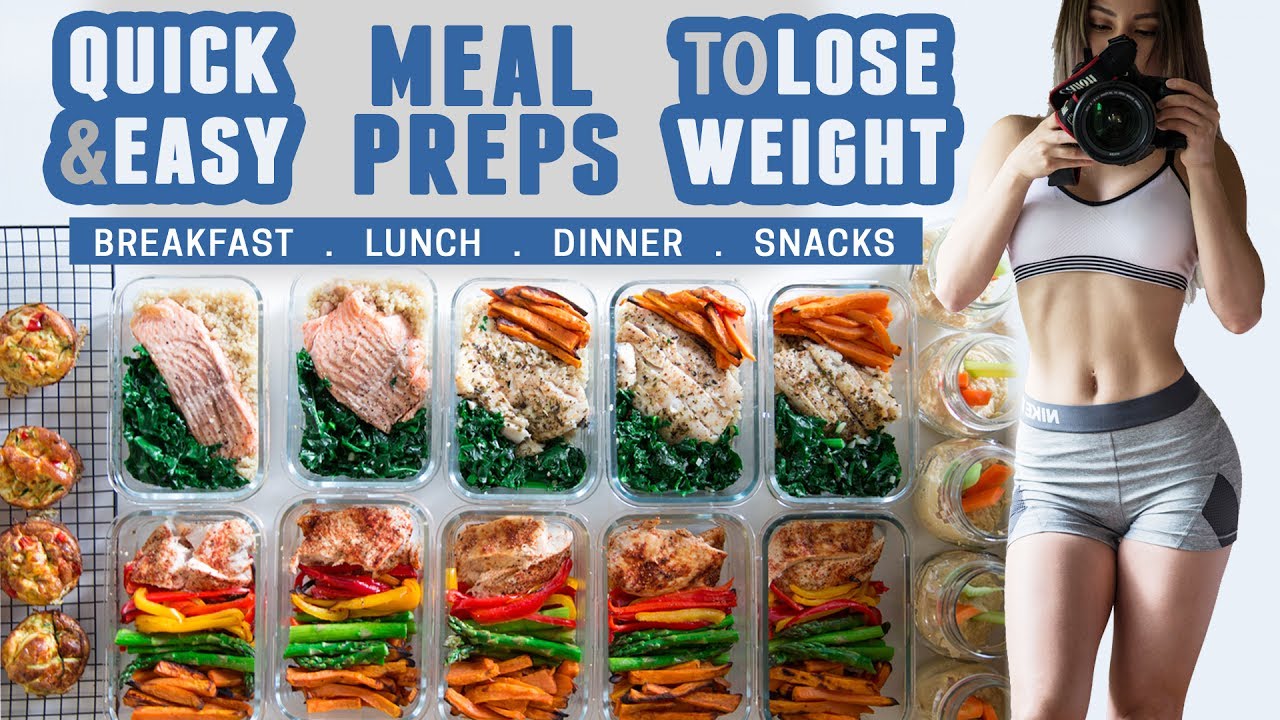
What Is Meal Prep and How Can It Help with Weight Loss?

Lose weight meal prep involves planning and preparing meals in advance to support weight loss by managing calorie intake and ensuring balanced nutrition. This method promotes portion control, healthier food choices, and consistent eating habits. It is effective as it allows control over ingredients and portions, reducing unhealthy eating. For beginners, start small, choose versatile recipes, and use reliable containers. Ideal meals involve lean proteins, vegetables, whole grains, and healthy fats. While essential, combine meal prep with exercise, hydration, and good sleep for best results.

How to Create an Effective Weight Loss Workout Plan

A weight loss workout plan is a structured exercise routine aimed at reducing body fat and enhancing overall health. It combines cardio, strength, and flexibility exercises. On average, it’s recommended to engage in 150 minutes of moderate aerobic activity or 75 minutes of vigorous activity weekly, along with strength training twice a week. Including exercises like running, cycling, and weightlifting can be effective. Home workout plans can easily be adapted using minimal equipment. The journey to visible results varies, usually ranging from 4 to 12 weeks.

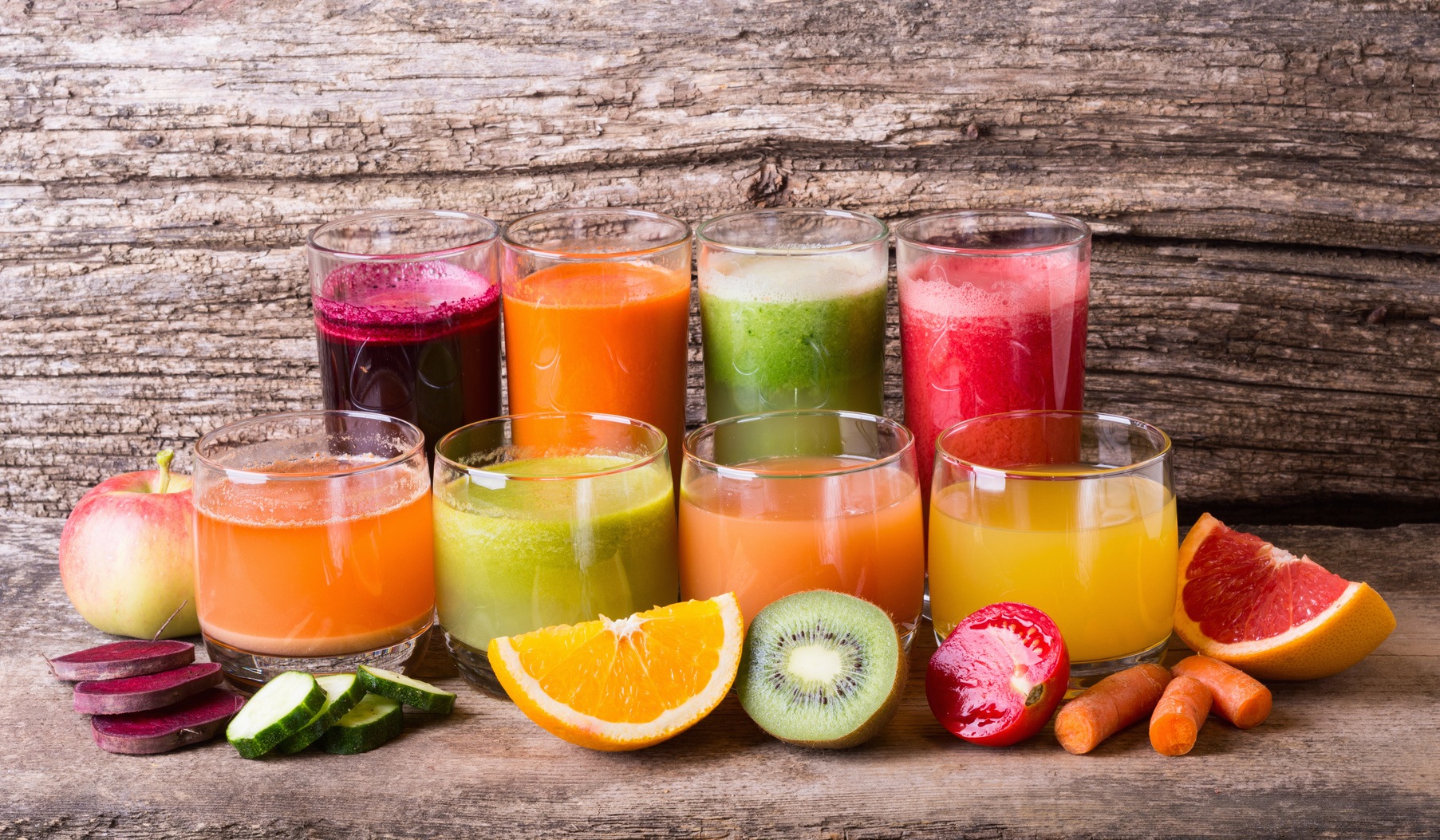
How Does Juicing Help with Weight Loss?

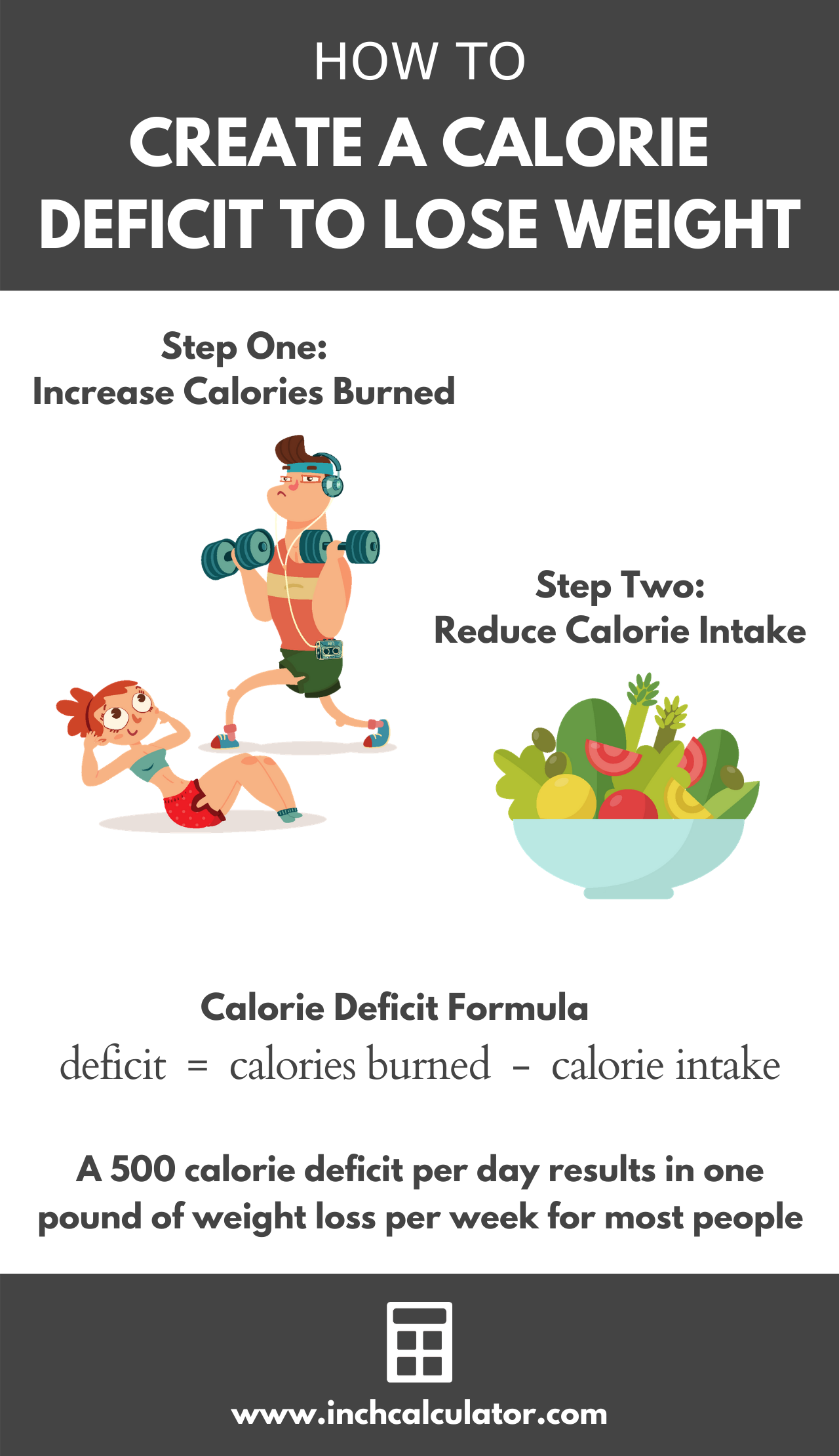
Lose weight juicing involves consuming fruit and vegetable juices to aid weight loss by creating a calorie deficit while providing vital nutrients. It offers a low-calorie, nutrient-rich meal alternative, promoting detoxification and metabolism enhancement. However, it’s crucial to balance juice intake with solid foods for safety and sustained weight loss. Starting with a quality juicer, you can incorporate nutrient-rich fruits and vegetables, gradually replacing meals with juices. Popular recipes include Green Detox Juice and Carrot-Orange Delight. Exercise complements juicing, aiding in maintaining muscle and enhancing weight loss efforts.

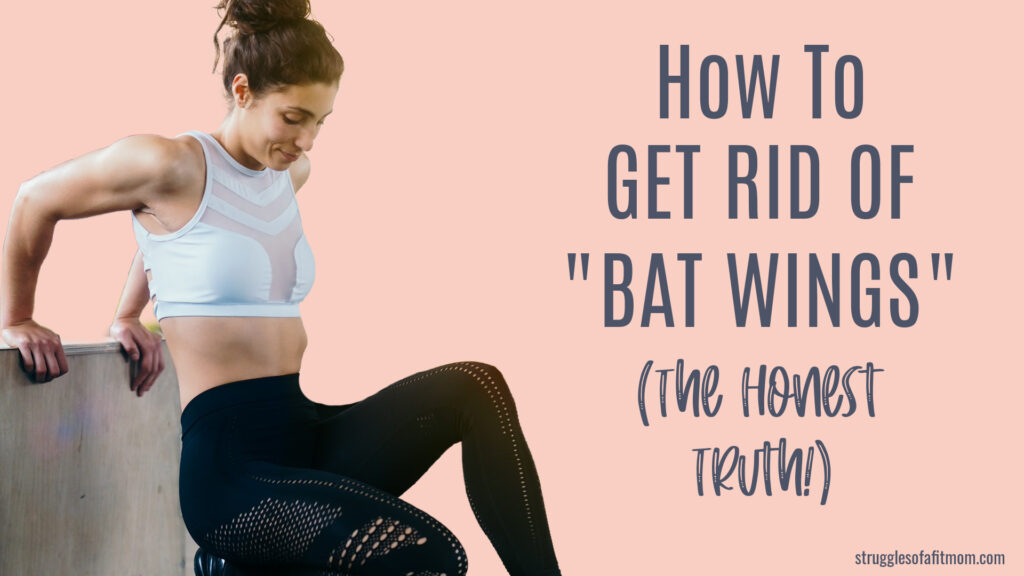
What Are Bat Wings and How Can They Be Reduced?

The term “bat wings” refers to sagging skin and excess fat on the upper arms, common in older adults or those who have lost significant weight. Arm exercises, like tricep dips and push-ups, can help tone these areas by strengthening muscles and improving arm appearance. Consistency is key, and workouts should be done 2-3 times a week.

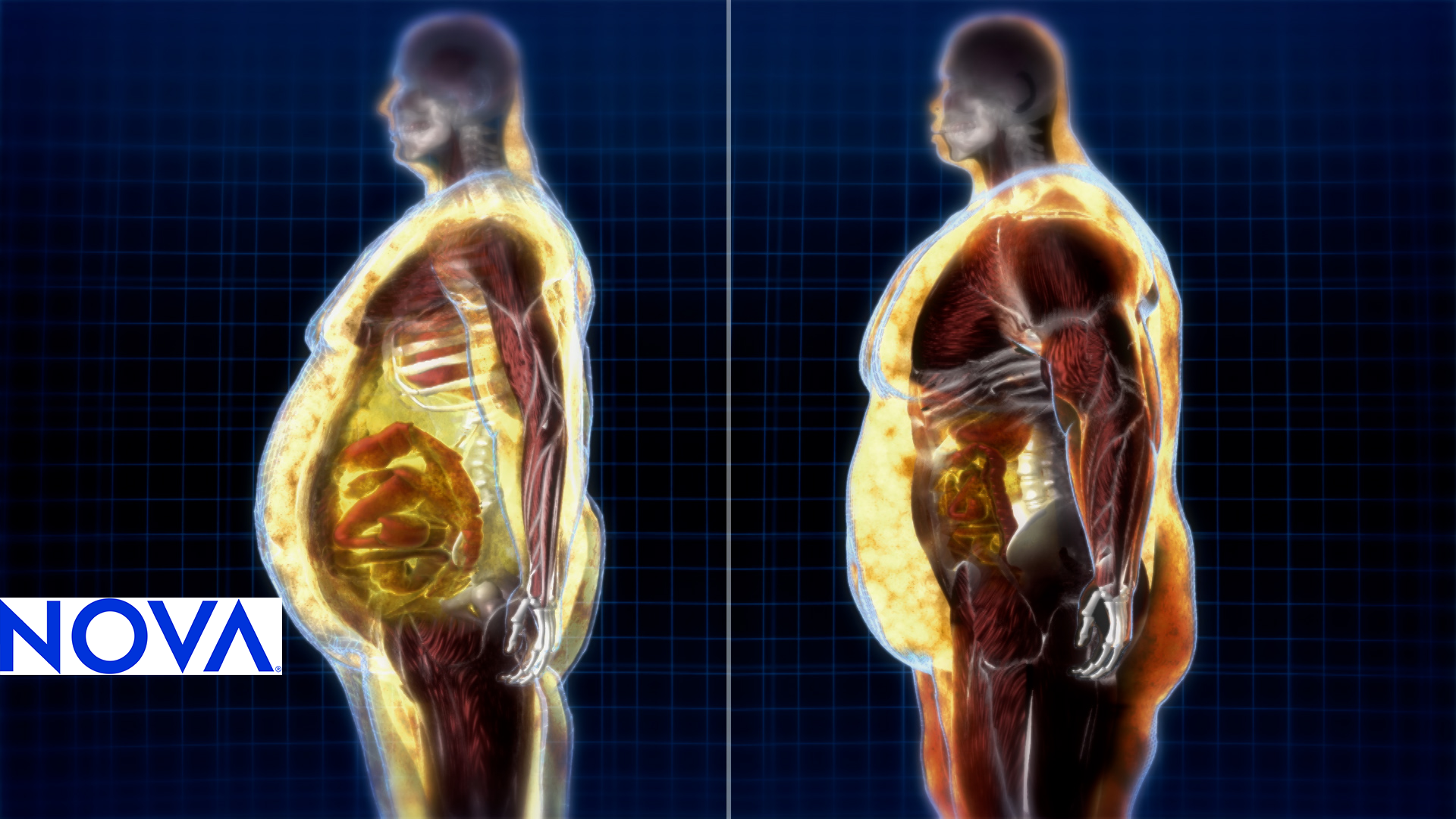
Understanding Body Fat: What It Is and Why It Matters

Understanding body fat and maintaining it within a healthy range is crucial for overall health. Although Body Fat 0 is metaphorical and emphasizes low fat pursuit in fitness communities, it’s unattainable and potentially dangerous. Essential fat is vital for survival, emphasizing realistic health goals and professional guidance.

Select Wishlist

    Left Menu Icon
    Your Cart