
Shrugs: What This Universal Gesture Really Means

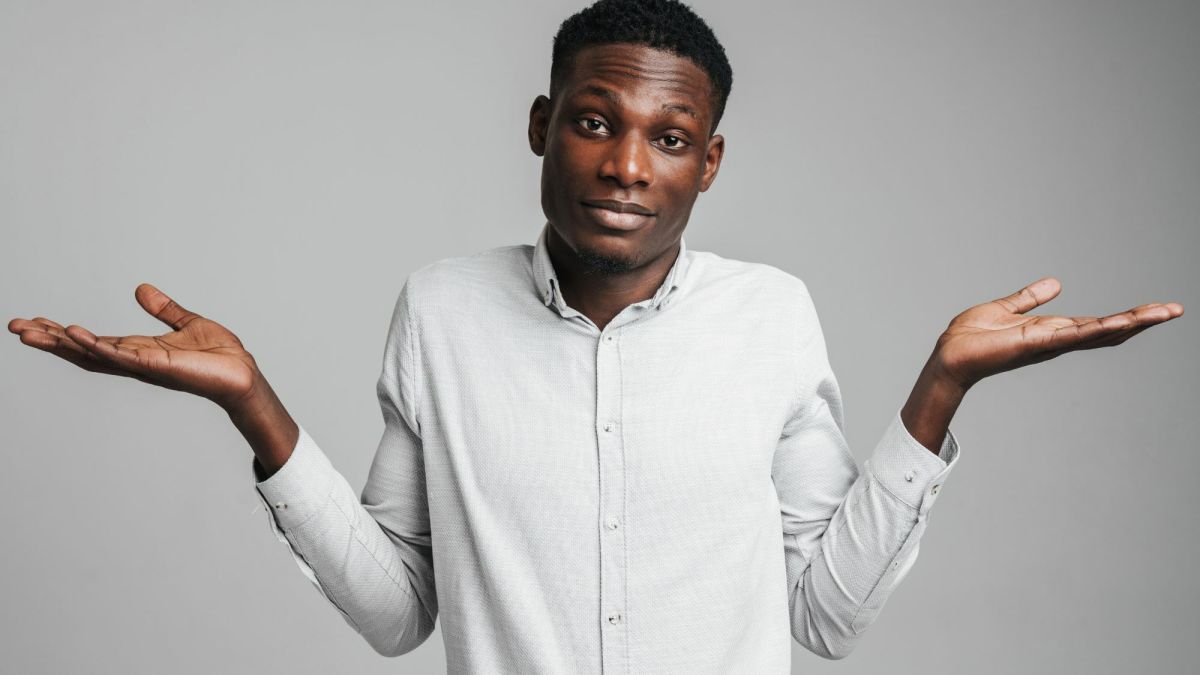
The act of shrugging shoulders is one that seems simple yet carries manifold interpretations. It’s a common non-verbal communication gesture, often signaling indifference, uncertainty, or resignation. While some might dismiss it as a mere reflexive action, it is indeed a powerful, albeit understated, communication tool used across different cultures.
The Meaning Behind Shrugging Shoulders
Shrugging shoulders can convey a range of emotions. Frequently, it indicates that someone does not have the desired information or is unsure of how to respond. This body language gesture suggests an openness to interpretation, leaving observers to deduce the shrugger’s actual feelings. In some contexts, it can be a sign of politeness, indicating that one does not wish to make a commitment or show a strong opinion on a matter.
The Cultural Significance of Shrugging Shoulders
While the shrugging gesture is understood universally, its interpretation can vary depending on cultural context. In Western countries, shrugging is typically associated with nonchalance or a lack of specific knowledge. In contrast, some Eastern cultures might interpret it as a gesture of defeat or acceptance of circumstances beyond one’s control. Despite these differences, shrugging shoulders remains a globally recognized form of expression.
The Psychology Behind Shrugging Shoulders
Psychologically, shrugging can serve as a coping mechanism. When confronted with ambiguous situations where direct answers are unavailable, shrugging shoulders allows individuals to communicate their unease without verbal confrontation. It offers a protective barrier, giving the shrugger a moment to collect thoughts or deflect attention away from their indecision. For some, it’s a subconscious choice, seamlessly integrated into their conversational habits.
Conclusion
Shrugging shoulders, although seemingly simple, opens an avenue for broad interpretation and cultural variation. As both a physical and psychological gesture, it bears significant weight in conveying emotions and intentions without the need for words. Understanding this nuanced form of communication encourages a deeper appreciation for the subtleties inherent in non-verbal expression, reminding us of the complexities of human interaction.
FAQs about Shrugging Shoulders
Q: Is shrugging shoulders considered rude?
A: It can be context-dependent. In some settings, it might be seen as dismissive, while in others, it simply conveys uncertainty or neutrality.
Q: Can shrugging shoulders be used in formal situations?
A: Generally, it’s best used in informal settings, as it might convey a lack of decisiveness or engagement in formal situations.
Q: Do all cultures interpret shrugging shoulders the same way?
A: No, interpretations can vary widely based on cultural norms and social contexts.
BIG SALE | FAST SHIPPING
HOT PROMOTIONS!



ZPHC UltraMix 1ml amps x 10 amps - 1ml = 250mg

Original price was: $ 259.00.$ 179.00Current price is: $ 179.00.


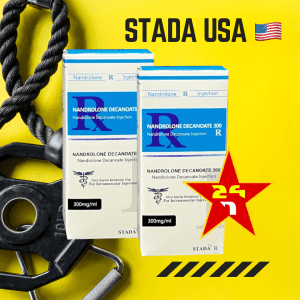

Fierce nandrolone decanoate 300 / ml 10ml

Original price was: $ 131.00.$ 119.00Current price is: $ 119.00.

Shrugging one’s shoulders is a common non-verbal gesture that conveys a range of emotions and messages depending on the context in which it is used. Typically, a shoulder shrug is interpreted as a sign of uncertainty, indifference, or lack of knowledge. It involves raising both shoulders, often accompanied by upturned palms or an expressionless face, to indicate that a person does not have an answer to a question or does not care about the outcome of a situation. This gesture can also be a polite way of expressing that someone is unable to help or has no control over a circumstance. Shrugging is a universally recognized gesture, transcending many cultural barriers, and is often used to communicate subtle emotional cues or social nuances that words might not fully express.