


SS 31 Peptide: A Breakthrough in Mitochondrial Research

In recent years, peptides have garnered significant attention in the field of biomedical research. The Ss 31 peptide, in particular, has emerged as an exciting compound with therapeutic potential. This mitochondria-targeted peptide aims to alleviate oxidative stress, which plays a critical role in various pathologies, including neurodegenerative and cardiovascular diseases.
Mechanism of Action
The Ss 31 peptide is a potent antioxidant that is specifically designed to target and stabilize mitochondrial membranes. Due to its unique structure, Ss 31 penetrates the inner mitochondrial membrane, where it mitigates the production of reactive oxygen species (ROS). By reducing ROS levels, Ss 31 helps maintain mitochondrial function and promotes cell survival under stress conditions.
Clinical Applications of Ss 31 Peptide
Ongoing research has demonstrated promising results for Ss 31 peptide in several clinical settings. Its ability to reduce oxidative stress shows potential for treating diseases such as Alzheimer’s, Parkinson’s, and heart failure. Experimental studies have shown that Ss 31 can improve cognitive function, protect cardiac tissues, and enhance muscle performance under stress.
Research and Findings
Numerous studies have showcased the efficacy of Ss 31 in animal models. For instance, treatment with Ss 31 in mouse models of neurodegenerative diseases resulted in improved neurological function and decreased neuronal death. Furthermore, trials involving ischemic reperfusion injury in cardiac tissues reveal that Ss 31 reduces infarct size and preserves cardiac function.
Challenges and Future Directions
Despite its potential, the development of Ss 31 peptide as a therapeutic agent presents challenges. Issues related to pharmacokinetics, dosage optimization, and long-term safety must be addressed through rigorous clinical trials. Researchers remain optimistic that these hurdles can be overcome, paving the way for Ss 31 to become a viable therapeutic candidate.
Conclusion
The Ss 31 peptide represents a novel approach to combating mitochondrial dysfunction and oxidative stress-related diseases. As research progresses, it holds promise in clinical applications, potentially transforming the therapeutic landscape for diseases with limited treatment options. However, further studies and clinical trials are crucial to validate its efficacy and safety for human use.
FAQs
Q1: What is the primary function of Ss 31 peptide?
A1: The primary function of Ss 31 peptide is to mitigate oxidative stress by stabilizing mitochondrial membranes and reducing reactive oxygen species.
Q2: What diseases might benefit from Ss 31 peptide treatment?
A2: Diseases such as Alzheimer’s, Parkinson’s, cardiovascular conditions, and neuromuscular disorders might benefit from Ss 31 peptide treatment due to its potential in reducing oxidative damage.
Q3: Is Ss 31 peptide available for clinical use?
A3: As of now, Ss 31 is primarily in the research and clinical trial phases. It is not yet widely available for clinical use, but future developments may change its accessibility.
BIG SALE | FAST SHIPPING
HOT PROMOTIONS!
CROWX 👑 CLOMIROW 50 Mg / 50 Tabs ( Clomid )
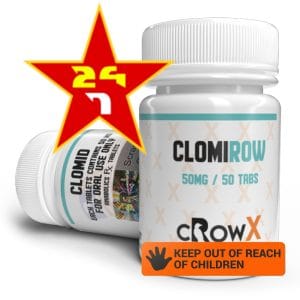
Original price was: $ 79.00.$ 69.00Current price is: $ 69.00.
ZPHC UltraMix 1ml amps x 10 amps - 1ml = 250mg
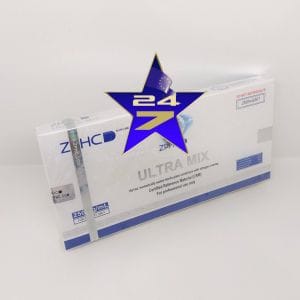
Original price was: $ 259.00.$ 179.00Current price is: $ 179.00.
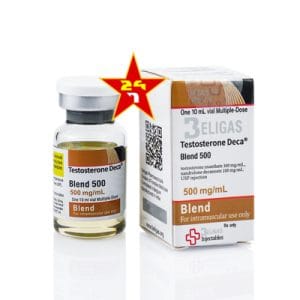
Beligas 10ml Vial Testosterone NPP Blend 150mg

Original price was: $ 119.00.$ 99.00Current price is: $ 99.00.



Ss 31 peptide, also known as elamipretide, is a small, cell-permeable tetrapeptide that has garnered significant attention in the field of mitochondrial medicine. It is designed to selectively target and integrate into the inner mitochondrial membrane, where it works by stabilizing cardiolipin, a phospholipid crucial for mitochondrial function. By enhancing the efficiency of the electron transport chain and reducing oxidative stress, Ss 31 aims to improve mitochondrial bioenergetics and overall cellular health. This peptide has shown promise in a range of preclinical and clinical studies for the treatment of conditions characterized by mitochondrial dysfunction, such as Barth syndrome, primary mitochondrial myopathy, and various neurodegenerative disorders. Its capacity to protect and restore mitochondrial integrity makes it a potentially valuable therapeutic agent for addressing a broad spectrum of mitochondrial-related diseases.