
Stepping Up: The Evolution of High-Performance Sports Footwear

Introduction to Athletes’ Shoes
In the world of sports, the choice of footwear is almost as crucial as the rigorous training
athletes undergo. Athletes’ shoes are designed not only to offer comfort but also to enhance
performance and minimize the risk of injury. It goes without saying that a well-crafted pair of
shoes can be a game-changer for athletes who push their limits every day.
Importance of Athletes’ Shoes
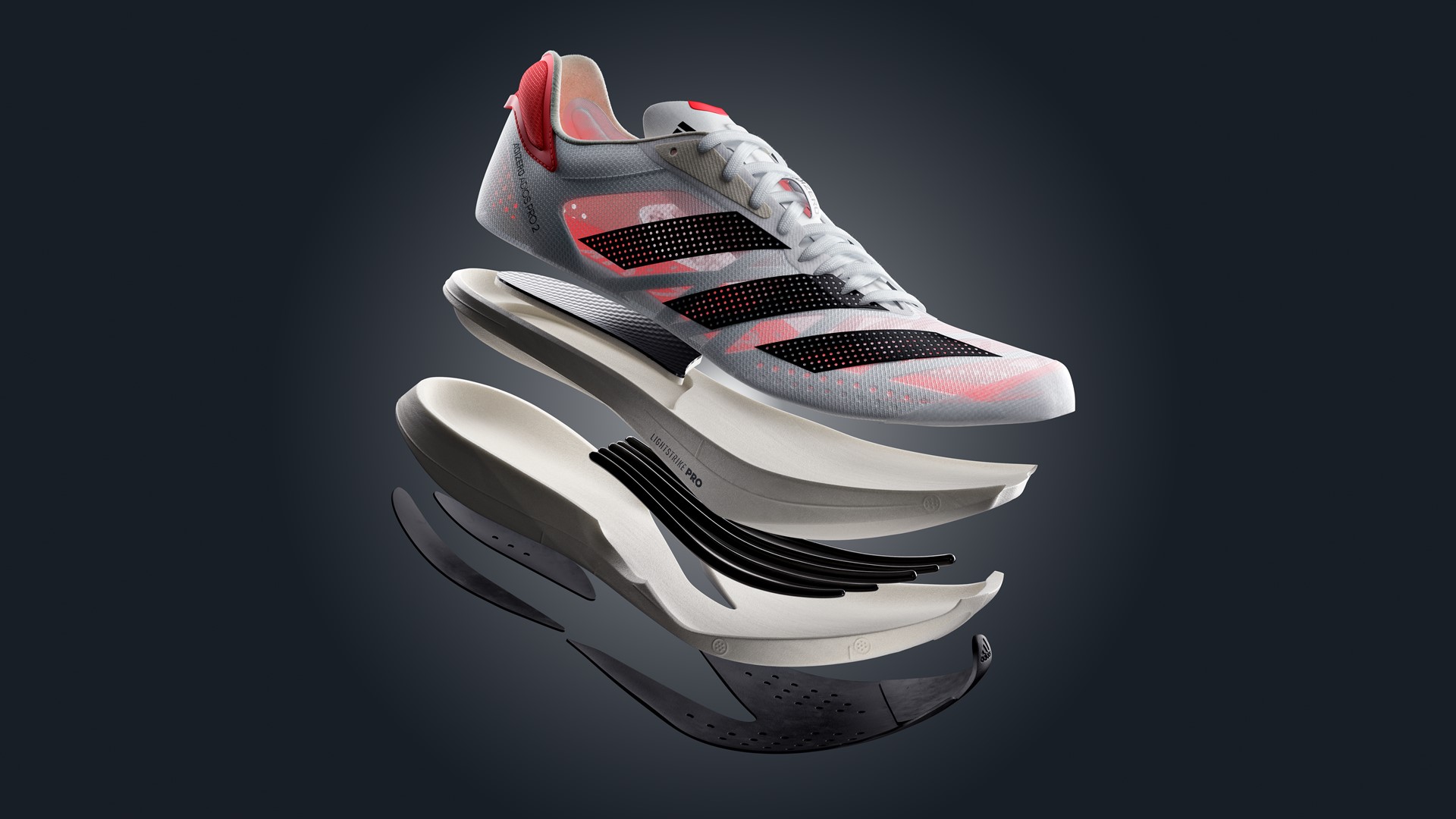
Athletes’ shoes are engineered to meet the specific demands of each sport. For runners,
shoes with optimal cushioning are essential to absorb the impact on hard surfaces. Basketball
players need shoes with ankle support to prevent sprains as they pivot and jump. The design
and technology behind athletes’ shoes are continually evolving, with new materials and
structures that enhance breathability, support, and responsiveness.
High-performance footwear is crucial for competitive advantage. Many athletes believe
that you should never use the same pair of shoes twice, especially after intense activity, as
the capability of the materials to compress and rebound quickly decreases. While this might
not be practical for all, it’s a testament to the importance placed on optimizing every possible
physical advantage.
Choosing the Right Pair
Selecting the right athletes’ shoes involves more than just picking a trendy design.
Footwear must align with an athlete’s biomechanics, training regimen, and the sporting
environment. Customized solutions like orthotics are also becoming popular, allowing for
enhanced foot alignment and injury prevention. Cutting-edge brands are employing data
analytics and 3D technology to personalize shoes that cater to individual needs, helping
athletes maintain peak performance levels.
Conclusion
Ultimately, athletes’ shoes serve as fundamental components of an athlete’s regimen,
playing a vital role in improving performance and providing critical support and protection. As
technology advances, footwear will undoubtedly offer even more specialized benefits tailored
to individual needs. Attention to footwear may well be the unseen catalyst elevating an
athlete from good to great.
FAQs
Q1: How often should athletes replace their shoes?
A1: It’s generally recommended to replace athletic shoes every 300-500 miles or every 6
months, whichever comes first, depending on usage and wear.
Q2: Can wearing the wrong shoes affect performance?
A2: Yes, the wrong shoes can lead to discomfort, injury, and suboptimal performance due to
inadequate support and cushioning.
Q3: Are expensive shoes always better for athletes?
A3: Not necessarily. While expensive shoes may feature advanced technology, it’s crucial for
athletes to choose shoes that fit well and cater to their specific sport and foot shape.
BIG SALE | FAST SHIPPING
HOT PROMOTIONS!
CLOMID 50MG FIERCE 50 TABLETS

Original price was: $ 129.00.$ 119.00Current price is: $ 119.00.



ZPHC UltraMix 10ml MultiUse Vial 1ml = 250mg

Original price was: $ 255.00.$ 179.00Current price is: $ 179.00.




Athlete shoes, often referred to as sports or performance footwear, are meticulously engineered to enhance athletic performance while ensuring maximum comfort and support. These shoes are crafted using advanced technologies and materials that cater specifically to the demands of various sports and activities. For instance, running shoes often boast lightweight construction, responsive cushioning, and breathable fabrics to facilitate speed and endurance, whereas basketball shoes typically feature enhanced ankle support and durable soles to withstand the rigors of the court. Additionally, athlete shoes incorporate cutting-edge design elements like adaptive lacing systems, ergonomic fits, and shock absorption to prevent injuries and improve overall efficiency. The design process for these shoes involves collaboration with athletes, biomechanical experts, and designers to ensure that each pair meets the optimal standards of functionality and style, empowering athletes to perform at their best.