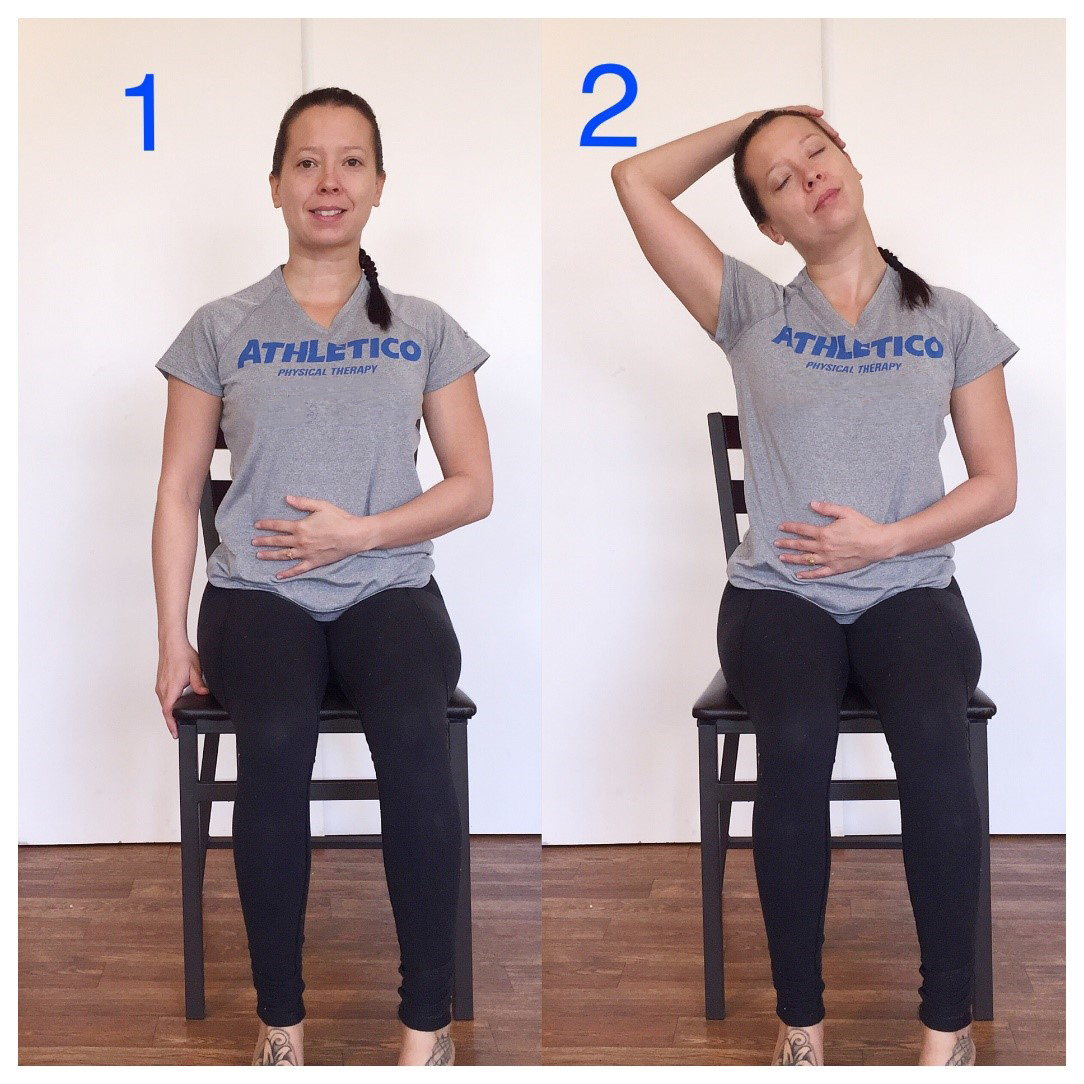
Stretching trapezius

Stretching Trapezius: A Guide to Relaxation and Flexibility
The stretching trapezius routine is an essential practice for individuals aiming to alleviate tension and enhance flexibility in their upper body. The trapezius muscle, located at the back of the neck and upper shoulders, can often become stiff and strained due to poor posture, stress, and prolonged periods of sitting. Engaging in regular stretching trapezius exercises not only provides relief but also aids in improving posture and preventing future discomfort.
Benefits of Stretching Trapezius
Stretching trapezius offers numerous benefits, making it a vital component of any fitness or wellness regime. It helps increase blood flow to the affected area, which can reduce muscle tension and pain. Regularly practicing stretching trapezius exercises can enhance mobility and prevent injuries by maintaining flexibility. Furthermore, it can contribute to better posture, which is particularly important for people who spend much of their day sitting at a desk.
How to Stretch the Trapezius Muscle
Here are a few exercises for effective stretching trapezius muscles:
- Neck Side Stretch: Sit comfortably and place your right hand on the left side of your head. Gently pull your head towards the right shoulder, holding for 15-30 seconds. Repeat on the opposite side.
- Neck Side Stretch: Sit comfortably and place your right hand on the left side of your head. Gently pull your head towards the right shoulder, holding for 15-30 seconds. Repeat on the opposite side.
- Shoulder Shrugs: Stand or sit with your back straight. Lift your shoulders towards your ears, hold for a few seconds, and then release. Repeat 10 times to relieve tension.
- Shoulder Shrugs: Stand or sit with your back straight. Lift your shoulders towards your ears, hold for a few seconds, and then release. Repeat 10 times to relieve tension.
- Forward Neck Stretch: Sit or stand with a straight back. Gently tilt your head forward, bringing your chin towards your chest. Hold the stretch for 15-30 seconds.
- Forward Neck Stretch: Sit or stand with a straight back. Gently tilt your head forward, bringing your chin towards your chest. Hold the stretch for 15-30 seconds.
FAQs about Stretching Trapezius
Q1: How often should I perform trapezius stretches?
A1: To maintain flexibility and reduce tension, aim to stretch your trapezius muscle 3-4 times a week.
Q2: Can stretching trapezius improve my posture?
A2: Yes, regular stretching trapezius exercises can significantly enhance posture by relieving tension and promoting alignment.
Q3: Are there any risks involved in trapezius stretching?
A3: While stretching trapezius is generally safe, performing stretches incorrectly can cause muscle strain. It’s essential to follow proper techniques, especially if you’re new to stretching.
Incorporate these stretches into your routine for healthier, more flexible muscles. #faq #stayfit #bodybuilding
FREE SHIPPING
CLICK HERE!
HOT PROMOTIONS!



SUSTANON 350 AUCTUS 350MG 10ML

Original price was: $ 109.00.$ 99.00Current price is: $ 99.00.






Stretching the trapezius muscle is an essential practice for those seeking to alleviate tension and maintain optimal neck and shoulder health. The trapezius, a large triangular muscle, extends from the base of the skull down to the middle of the back and across the shoulders, playing a crucial role in facilitating shoulder blade movement and stabilizing the neck. With the prevalence of sedentary lifestyles and prolonged periods of sitting, particularly in front of computers, many people experience tightened or strained trapezius muscles, leading to discomfort and impaired posture. Regular stretching exercises can help counteract the effects of a sedentary lifestyle by increasing flexibility, reducing muscular tension, and promoting better blood circulation in the affected areas. Incorporating trapezius stretching into a daily routine can significantly enhance overall well-being and reduce the risk of injury.
To effectively stretch the trapezius muscle, various exercises can be performed, each targeting different sections of the muscle. A common stretch involves gently tilting the head to one side, using the hand to apply light pressure downward, providing a targeted stretch along the neck and upper trapezius region. It’s important to maintain proper posture and breathe steadily during these exercises to ensure maximum benefit and prevent strain. Additionally, shoulder shrugs and shoulder blade squeezes can also be incorporated to engage and extend the lower trapezius. These movements should be performed with slow, controlled motions to avoid injury and to ensure the muscle is stretched gradually. By committing to regular trapezius stretching, individuals can improve their range of motion, alleviate stress-related muscular pain, and maintain a balanced and relaxed posture.