Stretching upper back
TABLE OF CONTENTS

Stretching Upper Back: Enhancing Mobility and Reducing Tension
Stretching the upper back is essential for maintaining flexibility and reducing tension in the area. The upper back can often feel tight due to long hours spent at a desk or poor posture. Incorporating regular exercises that focus on stretching upper back muscles can help improve posture, alleviate discomfort, and enhance overall well-being.
Why is Stretching the Upper Back Important?
The upper back is composed of various muscles, including the trapezius, rhomboids, and the posterior deltoids. These muscles are responsible for supporting the neck and shoulders and allowing various movements. Regular stretching of the upper back helps:
-
- Improve Posture: Helps in aligning the spine and reducing the risk of backaches.
-
- Enhance Flexibility: Increases the range of motion, making daily tasks easier.
-
- Reduce Muscle Tension: Alleviate tightness in the upper back muscles resulting from prolonged sitting or stress.
Effective Upper Back Stretches
-
- Cat-Cow Stretch: Start on your hands and knees, arch your back upwards (cow position) and then round it downwards (cat position) to flex the spine.
-
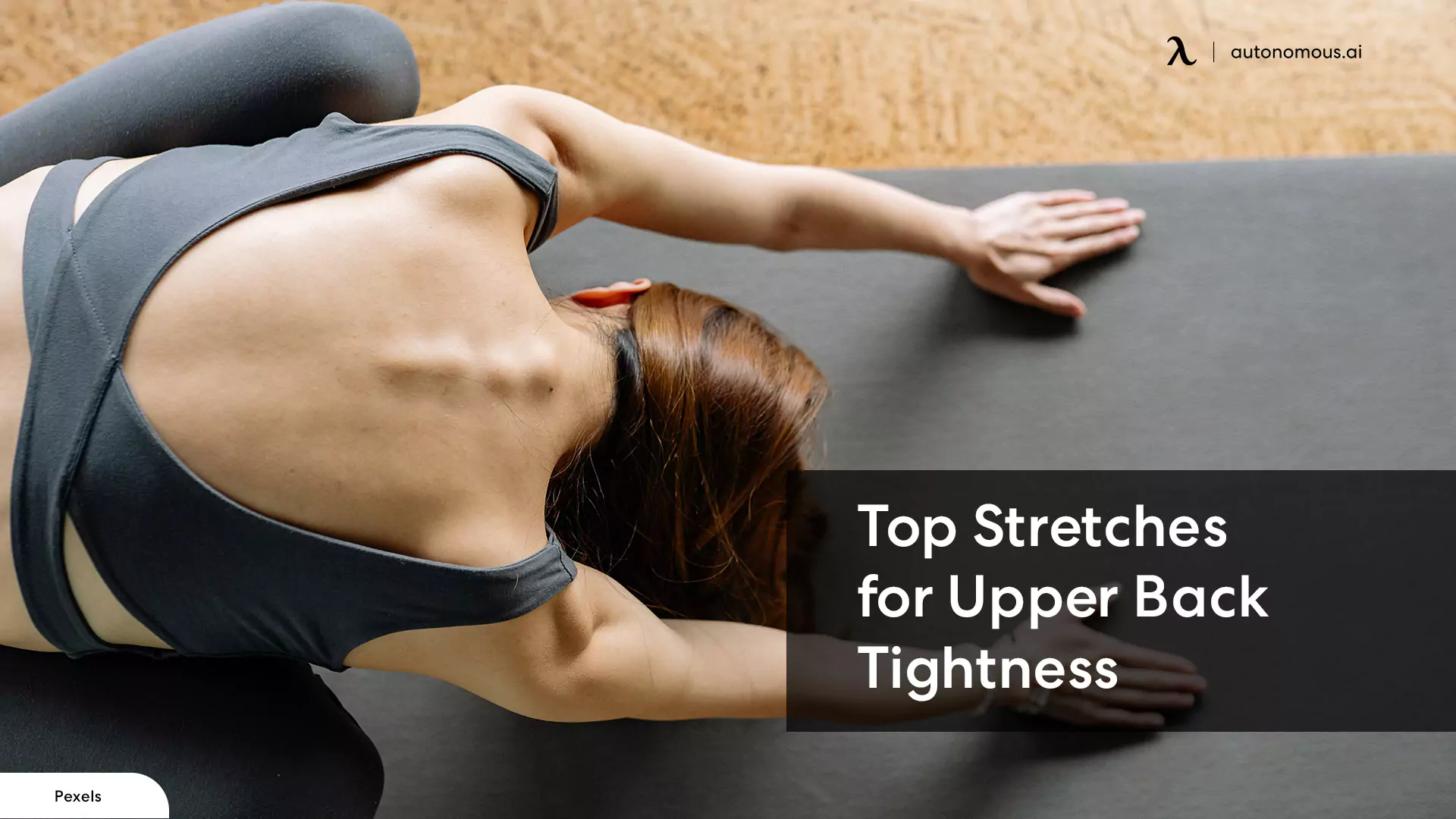
- Thread the Needle: Begin on all fours, slide one arm underneath the other, and lower your shoulder to the ground, feeling a stretch in the upper back.
-
- Child’s Pose with a Twist: From a kneeling position, reach one arm under the opposite side of your body, extending and stretching the muscles of the upper back.
These stretches can effectively target and relieve tension in the upper back if performed regularly.
FAQs
Q1: How often should I stretch my upper back?
A1: It is advisable to stretch the upper back at least 3-4 times a week to maintain flexibility and prevent stiffness.
Q2: Can stretching my upper back help with neck pain?
A2: Yes, stretching the upper back can improve posture, potentially reducing neck pain associated with muscle tightness.
Q3: Are there any precautions to take while stretching the upper back?
A3: Always warm up before stretching and avoid overstretching. If you feel pain rather than a mild stretch, reduce the intensity or consult a physical therapist.
By integrating these practices into your routine, you can experience improved mobility and reduced discomfort. Stay proactive in caring for your upper back for a healthier lifestyle. #faq #stayfit #bodybuilding
FREE SHIPPING
CLICK HERE!
HOT PROMOTIONS!



SOMATROPIN 100IU AXIOM HGH

Original price was: $ 299.00.$ 229.00Current price is: $ 229.00.
SUSTANON 500 AUCTUS TESTOSTERONE BLEND 10ML

Original price was: $ 140.00.$ 119.00Current price is: $ 119.00.




Stretching the upper back is an essential component of maintaining flexibility, reducing tension, and enhancing overall spinal health. The upper back, which consists of the thoracic spine and related muscles such as the rhomboids, trapezius, and latissimus dorsi, often becomes tight due to prolonged periods of sitting or improper posture. Many people, especially those who work at desks or use computers frequently, tend to hunch forward, leading to muscle imbalances and discomfort. Incorporating regular upper back stretches can help counteract these issues by increasing blood flow, releasing muscle tension, and promoting better posture. Techniques such as the cat-cow stretch, thoracic extensions, and seated twists are particularly effective in targeting this area, providing both immediate relief and long-term benefits for physical well-being.
In addition to physical benefits, stretching the upper back can also have positive effects on mental health. Stretching exercises can serve as a form of mindful movement, encouraging individuals to pay attention to their bodies and breath, which in turn can reduce stress and enhance relaxation. This mind-body connection is crucial for individuals who experience stress-related tension in the upper back. By dedicating time to stretch, individuals not only enhance their physical flexibility but also create a mental space to unwind and focus inwardly. Regular practice may lead to improved mood and an increased sense of well-being, making upper back stretching an integral component of a holistic approach to health.