
/steroids02-569fe6243df78cafda9efc4d.jpg "Struggles: The Reality of Anabolic Steroid Use Disorder ASUD")
Struggles: The Reality of Anabolic Steroid Use Disorder ASUD

Anabolic Steroid Use Disorder: Understanding the Impact and Challenges
The rise in fitness culture and competitive sports has contributed significantly to an increased interest in body enhancement substances, leading to the emergence of anabolic steroid use disorder (ASUD). This condition, characterized by the compulsive use of anabolic-androgenic steroids (AAS) despite adverse consequences, poses severe health risks. This article explores the complexities of ASUD, its ramifications, and possible treatments while emphasizing the importance of awareness.
What is Anabolic Steroid Use Disorder?
Anabolic steroid use disorder occurs when individuals use AAS in a patterned manner despite knowing the harmful effects and experiencing social, psychological, or physical consequences. Steroids, synthetic derivatives of testosterone, are often misused to enhance muscle mass, performance, and appearance. While initial use might be driven by a pursuit of improved physical aesthetics or athletic performance, it can rapidly spiral into dependence.
Causes of Anabolic Steroid Use Disorder
Several factors contribute to the onset of ASUD. These include societal pressure to achieve an ideal body type, personal insecurities, and a misunderstanding of the long-term health implications of steroid misuse. Additionally, accessibility to black-market steroids exacerbates the issue, making it easier for individuals to fall into abuse without proper guidance or medical advice.
Symptoms of Anabolic Steroid Use Disorder
Individuals with ASUD might exhibit various symptoms, including drastic mood swings, increased aggression (commonly known as “roid rage”), and withdrawal symptoms when not using the substance. Physiologically, one might notice acne outbreaks, rapid muscle gain, or shrinkage of testicles in males. Over time, alongside psychological dependency, the potential for severe cardiovascular, liver, and renal complications increases significantly.
Treatment of Anabolic Steroid Use Disorder
Approaching ASUD requires a comprehensive treatment plan involving both psychological therapy and medical intervention. Cognitive-behavioral therapy (CBT) is effective in addressing the underlying psychological issues that contribute to steroid use. Medical treatment may involve managing withdrawal symptoms and addressing any physiological damage incurred from steroid misuse. Support groups and counseling can provide additional assistance and motivation during recovery.
Conclusion
Understanding anabolic steroid use disorder is crucial in addressing the underlying issues contributing to its prevalence. Raising awareness and providing education on the risks and side effects of steroid misuse can equip individuals with the knowledge needed to avoid such substances. Furthermore, promoting healthier, sustainable ways of achieving fitness goals can deter people from resorting to these harmful drugs. Engaging with healthcare providers for safer alternatives and treatments is essential for those struggling with ASUD.
FAQs
What are the long-term effects of anabolic steroid use disorder?
Long-term misuse of anabolic steroids can lead to severe cardiovascular complications, liver damage, hormonal imbalances, and psychological disorders like depression and anxiety.
Can anabolic steroid use disorder be prevented?
Education and awareness are key in prevention. Ensuring individuals understand the risks and potential for dependency associated with steroids can help mitigate their appeal. Promoting healthy, natural methods of achieving fitness goals can also reduce the perceived need for enhancement drugs.
Where can I find support for anabolic steroid use disorder?
Those seeking help can start with Healthcare.gov for medical assistance and guidance. Support groups and online forums like DrugAbuse.gov can also provide valuable resources and community for individuals seeking to overcome ASUD.
BIG SALE | FAST SHIPPING
HOT PROMOTIONS!
CROWX 👑 CLOMIROW 50 Mg / 50 Tabs ( Clomid )
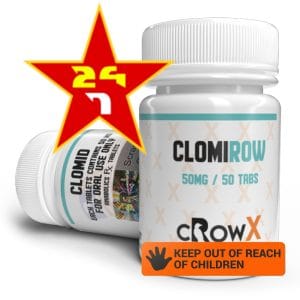
Original price was: $ 79.00.$ 69.00Current price is: $ 69.00.




By fostering open conversations and providing supportive resources, society can better address the challenges posed by anabolic steroid use disorder, paving the way for healthier choices and lifestyles.
Anabolic steroid use disorder is a condition characterized by the misuse of anabolic-androgenic steroids (AAS) often for performance enhancement or aesthetic improvement, leading to significant physical and psychological consequences. Individuals afflicted with this disorder may begin using steroids to increase muscle mass and strength, subsequently developing a dependency marked by compulsive use and an inability to stop despite harmful effects. These can include cardiovascular issues, liver damage, hormonal imbalances, and psychiatric disorders such as aggression, mood swings, and depression. The disorder often requires a comprehensive treatment approach, encompassing medical intervention, psychological therapy, and support groups to address both the physical ramifications and underlying psychological dependencies. As with other substance use disorders, early intervention is crucial in preventing long-term health issues and aiding recovery.