

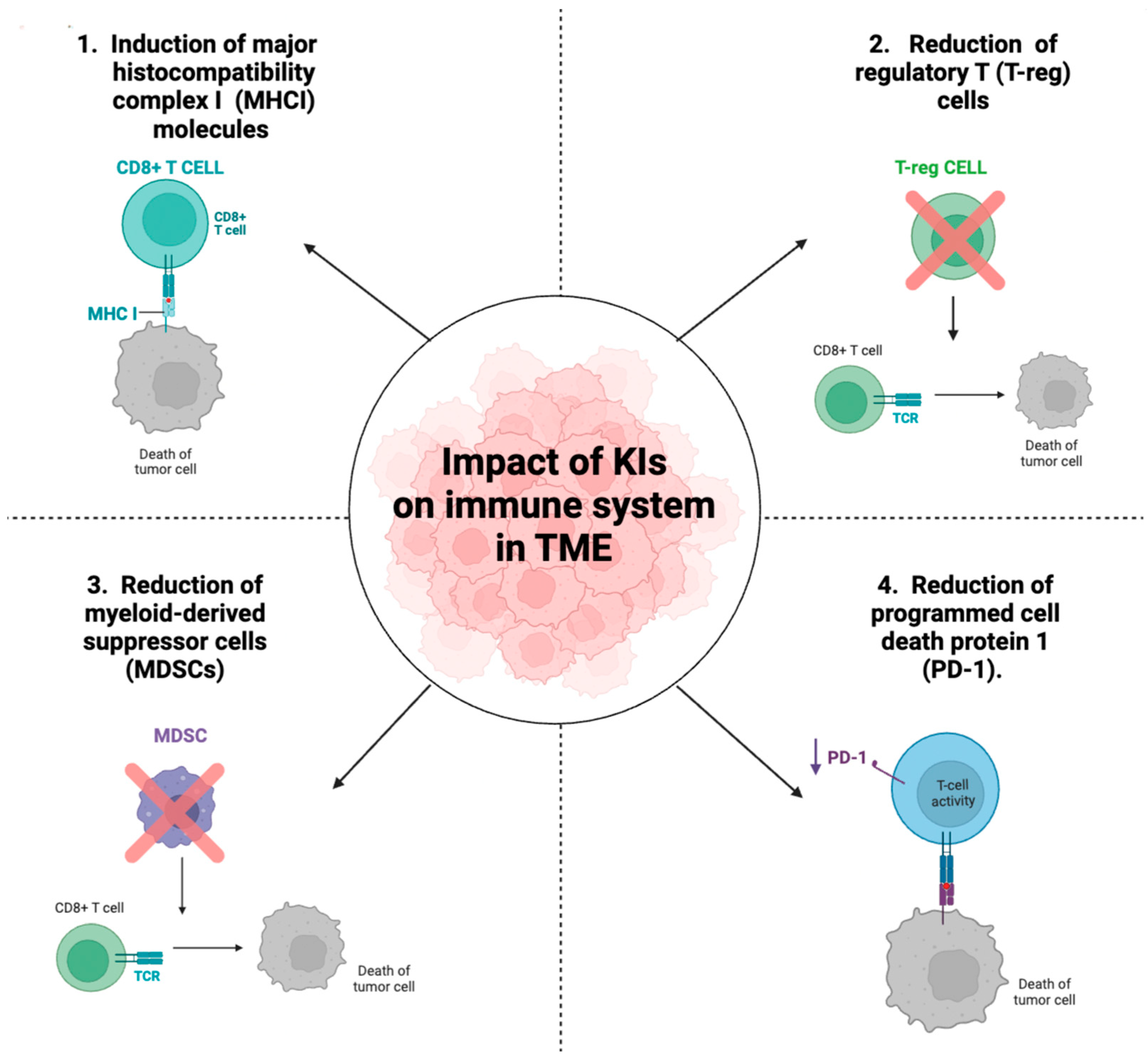
Ta1 Peptide: A New Frontier in Immune System Modulation

The Ta1 peptide, scientifically known as Thymosin Alpha-1, is an intriguing protein fragment that has garnered significant interest in the medical community. This naturally-occurring peptide plays a crucial role in modulating the immune system, making it a promising agent in the treatment of various diseases and health conditions.
Origins and Structure of Ta1 Peptide
Originally isolated from the thymus gland, the Ta1 peptide comprises a specific sequence of amino acids that contribute to its biological activity. As a part of the body’s natural processes, it orchestrates the maturation of T-cells, which are essential to the adaptive immune response. Through its action, it enhances the body’s ability to combat infections and disease.
Therapeutic Applications of Ta1 Peptide
With its immune-boosting properties, the Ta1 peptide has been explored for its therapeutic potential in treating conditions ranging from viral infections to cancer. Clinical studies have demonstrated its efficacy in improving immune function in patients with chronic infections, such as hepatitis B and C. Additionally, it has shown promise as an adjunct therapy in oncology, potentially enhancing the efficacy of existing cancer treatments.
Beyond its use in infectious and oncological settings, the peptide is also being researched for its potential benefits in autoimmune diseases. By modulating immune responses, it holds promise in alleviating symptoms and altering the disease progression of autoimmune disorders.
Administration and Safety of Ta1 Peptide
Administering the Ta1 peptide is typically done via subcutaneous injection. Its safety profile is well-documented, with studies indicating a low incidence of adverse effects. As with any therapeutic agent, it is essential that treatment with this peptide be supervised by a healthcare professional to ensure its proper use and to manage any potential side effects.
Conclusion
The Ta1 peptide represents a significant advancement in the realm of immunomodulatory therapies. With a growing body of evidence supporting its benefits, it offers promising avenues for enhancing immune function in a variety of medical contexts. Continued research and clinical trials could further solidify its role in modern medicine.
BIG SALE | FAST SHIPPING
HOT PROMOTIONS!
CROWX 👑 CLOMIROW 50 Mg / 50 Tabs ( Clomid )
Original price was: $ 79.00.$ 69.00Current price is: $ 69.00.



CLOMID 50MG FIERCE 50 TABLETS
Original price was: $ 129.00.$ 119.00Current price is: $ 119.00.

FAQs about Ta1 Peptide
What is the primary function of Ta1 peptide?
The primary function of the Ta1 peptide is to modulate the immune system, enhancing the body’s ability to respond to infections and potentially harmful cells.
How is Ta1 peptide administered?
The peptide is typically administered through subcutaneous injection, allowing it to be absorbed directly into the bloodstream for maximum efficacy.
Are there any side effects associated with Ta1 peptide?
The Ta1 peptide has a favorable safety profile with minimal side effects reported. However, as with any medication, it is important for its use to be supervised by a healthcare provider.
Can Ta1 peptide be used in cancer treatment?
Yes, the Ta1 peptide is being explored as an adjunct therapy in oncology, where it may enhance the effectiveness of existing cancer treatments by boosting the immune response.
Ta1 peptide, also known as Thymosin alpha 1, is a naturally occurring polypeptide that plays a crucial role in the modulation of the immune system. It consists of 28 amino acids and is derived from a larger precursor protein called prothymosin alpha. This peptide is primarily associated with the maturation and differentiation of T-cells, which are essential components of the adaptive immune response. Its immunomodulatory properties have made it a subject of interest in the treatment and management of various conditions, including viral infections, autoimmune disorders, and cancer. Ta1 peptide works by enhancing the function of immune cells such as dendritic cells and lymphocytes, leading to improved pathogen recognition and response. Its potential therapeutic benefits have been the focus of numerous clinical trials, seeking to leverage its ability to boost host defenses and regulate immune responses in patients with compromised immunity.