

The Controversy Surrounding Human Growth Hormone in Sports

Human Growth Hormone (HGH) plays a vital role in our health and wellness, influencing growth, cell repair, and metabolism. Originally discovered in the mid-20th century, HGH is secreted by the pituitary gland and is essential for development in children and maintaining tissue and organ health throughout life.
Function and Benefits
One of the primary functions of Human Growth Hormone is stimulating the growth of bones and tissues. In children, it supports overall development, while in adults, it assists in maintaining muscle mass, bone density, and body composition. Moreover, HGH is crucial in metabolism regulation, helping to reduce fat storage and promote lean muscle development.
HGH and Aging
As we age, the production of Human Growth Hormone naturally declines. This reduction is associated with signs of aging, such as decreased muscle mass, increased body fat, and reduced skin elasticity. Some believe that maintaining HGH levels can counteract these aging effects. Consequently, therapies aimed at boosting HGH levels have become popular in anti-aging treatments, skincare, and wellness routines.
Medical Uses of Human Growth Hormone
In medical contexts, HGH is used to treat conditions like growth hormone deficiency in children and adults. It helps those with the deficiency achieve normal growth and maintain healthy body functions. Additionally, HGH treatments are prescribed for individuals experiencing muscle wasting due to HIV/AIDS and for those with certain endocrine disorders.
Controversies and Risks
Despite its benefits, the use of Human Growth Hormone for anti-aging and athletic enhancement is controversial. Some athletes use HGH illegally to enhance performance, leading to health risks and ethical concerns. Misuse can result in side effects such as joint pain, insulin resistance, and increased risk of certain cancers. Thus, it is essential to seek professional medical advice before considering HGH therapies.
Conclusion
Human Growth Hormone is a critical component in our health, contributing to growth, metabolism, and body composition. While its benefits are well-documented in medical treatments, misuse for anti-aging and athletic performance can pose significant health risks. Maintaining a balanced perspective on HGH’s role is crucial for safely benefiting from its properties.
Frequently Asked Questions
What is Human Growth Hormone used for?
HGH is used medically to treat growth disorders in children and adults with growth hormone deficiencies. It is also used to mitigate muscle wasting in certain conditions like HIV/AIDS.
Is HGH safe for anti-aging purposes?
While HGH can have anti-aging benefits, its use without a medical need can be risky and should be approached with caution. Consulting a healthcare professional is crucial before considering HGH for anti-aging.
How is HGH administered?
Human Growth Hormone is typically administered through injections under medical supervision.
Can taking HGH increase my athletic performance?
Some athletes use HGH to enhance performance, but this practice is illegal in professional sports and can lead to adverse health effects.
Shortcode:
FREE SHIPPING
BIG SALE | FAST SHIPPING
HOT PROMOTIONS!



STADA DHB DIHYDROBOLDENONE 100MG 10 ML

Original price was: $ 219.00.$ 109.00Current price is: $ 109.00.

ZPHC Dbol Dianabol Methandienone 10mg x 100 tablets
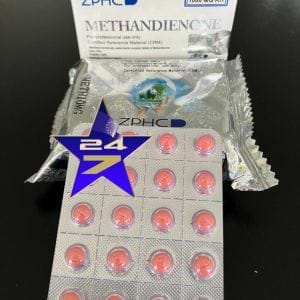
Original price was: $ 99.00.$ 69.00Current price is: $ 69.00.



Hashtags: #peptides #skincare #antiaging #b #skin #beauty #collagen #wellness #weightloss #sermorelin #ghrp #stayfit #bodybuilding #injections #hcg #skincareroutine #hcgphase #hcgdiet #hcginjections #doral #hcgplus #hcgworks #miami #hcgpellets #hcgdrops #hcgusers #hcgcommunity #hcgresults #miamibeach #hcgprotocol #hcgchica #alastinskincare
Human Growth Hormone (HGH) is a peptide hormone produced by the pituitary gland, playing a crucial role in growth, metabolism, and cellular regeneration. It stimulates growth in children and adolescents and helps maintain tissues and organs throughout life. In adults, HGH is involved in regulating body composition, body fluids, muscle and bone growth, sugar and fat metabolism, and possibly heart function. Medical applications of HGH are aimed at treating growth disorders in children and growth hormone deficiency in adults, although its use is surrounded by controversy when it comes to anti-aging and athletic performance enhancement. Misuse for muscle building, improving athletic performance, or countering aging effects poses health risks, including joint pain, insulin resistance, and increased risk of diabetes. As research continues, understanding the full spectrum of HGH’s effects and ramifications remains a dynamic and evolving field of study.