
The Cultural Significance of Hot Potting Around the World

Hot potting is an enchanting culinary tradition that has been enjoyed for centuries, primarily originating from East Asia. A unique dining experience, it involves cooking a variety of meats, vegetables, and noodles in a simmering pot of flavorful broth right at the dining table. This interactive form of dining encourages lively conversation, bonding, and experimentation with flavors and textures.
The Art of Hot Potting
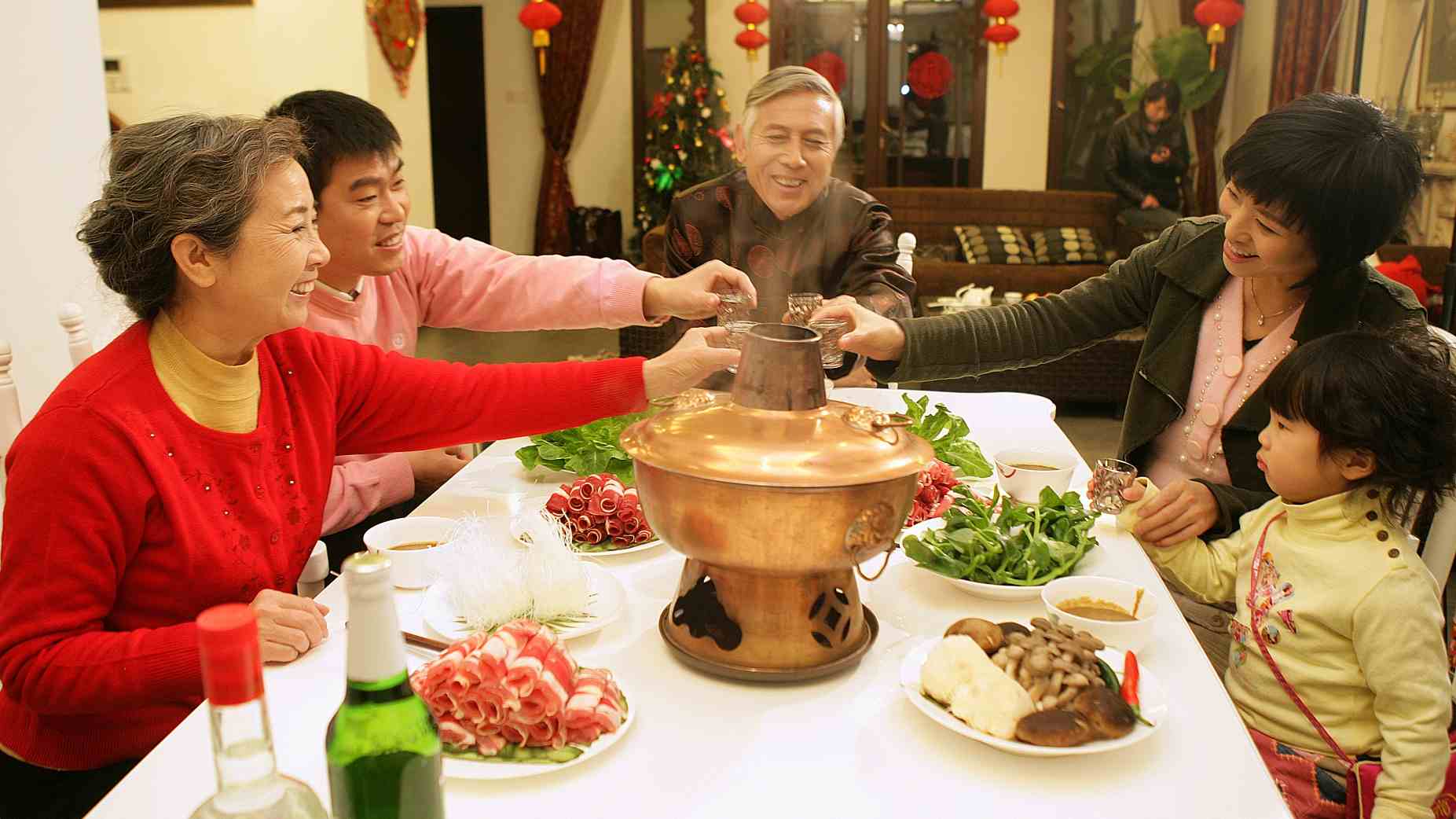
At its core, hot potting is about bringing people together. Typically, a large group gathers around a communal pot filled with rich broth, choosing from an array of fresh ingredients to cook in the hot liquid. The hot pot is kept at a steady simmer, allowing everyone to effortlessly cook what they desire. Various dipping sauces, such as sesame paste or soy sauce mixed with garlic and chili, add a personalized touch to each bite. This communal way of eating not only serves as a social activity but also allows each participant to create diverse flavor profiles on their plate.
Essential Ingredients for Hot Potting
To begin your hot potting adventure, there are several essentials you must have:
-
- Broth: The foundation of any hot pot, the broth is typically chosen based on the desired flavor profile. Choices range from spicy Sichuan broth to milder herbal varieties.
-
- Vegetables: Leafy greens, mushrooms, radishes, and cabbage bring freshness and nutrient-rich balance to the meaty flavors.
-
- Noodles and Tofu: Various types of noodles and tofu absorb the broth’s flavor, adding substance and texture to the meal.
BIG SALE | FAST SHIPPING
HOT PROMOTIONS!








CYT 3 6MG | T3 | Yohimbe | Clen | Weight Loss Blend | 100 Tablets Total Kit 600mg

$ 69.00
The Cultural Significance of Hot Potting
In Asian cultures, hot potting is often seen as more than just a meal. It’s a symbol of unity and togetherness, often reserved for special occasions like family gatherings and celebrations. Its versatility and adaptability have allowed it to transcend its cultural roots and become a popular choice in restaurants worldwide.
Conclusion
Hot potting is a delightful, interactive experience that not only satisfies hunger but also brings people closer together. By sharing in the joy of cooking and eating right at the table, individuals can enjoy the rich tapestry of flavors and camaraderie that hot potting encourages. Whether you’re new to this dining style or an avid hot pot enthusiast, the journey of flavor, texture, and aroma offers something for everyone.
FAQs
What is the best way to start with hot potting at home?
To begin hot potting at home, you will need a quality electric or gas-powered hot pot, broth, and an assortment of fresh ingredients. It’s easy to find hot pot kits online or in Asian grocery stores, like this one.
How do I clean the pot after hot potting?
After hot potting, the pot can be cleaned by rinsing it thoroughly and using mild dish soap to remove any residue. Make sure to dry it properly before storage. For more cleaning tips, visit this guide.
Can hot potting be adapted for vegetarian diets?
Absolutely! Opt for vegetable-based broths and include a variety of vegetables, tofu, and plant-based proteins for a satisfying vegetarian hot pot experience.
Hot potting encompasses the joy of culinary creativity and social connection, making it a unique dining experience cherished worldwide.
Hot potting is a delightful and communal culinary experience that originates from East Asia, particularly popular in countries like China, Japan, and Korea. This dining style revolves around a simmering pot of flavorful broth placed at the center of the table, shared among diners who cook a variety of raw ingredients at their own pace. These ingredients often include thinly sliced meats, fresh vegetables, noodles, tofu, and seafood, which are swiftly cooked in the bubbling broth, absorbing its rich flavors. The interactive nature of hot potting not only allows for personalized dining experiences, where each person can customize their meal to suit their tastes, but it also fosters a sense of togetherness and community. With the addition of various dipping sauces and condiments, hot potting becomes an exciting fusion of flavors and textures, making it a popular choice for gatherings with family and friends.