
The Dark Side of Tanning: Health Implications of Melanotan Use

Introduction
Melanotan is a synthetic peptide that has garnered widespread attention, particularly in the bodybuilding and fitness communities. Often dubbed the “Barbie Drug,” it is primarily known for promoting tanning by stimulating melanin production in the skin. However, its use extends beyond mere aesthetic enhancement, warranting a closer look into how it functions and its surrounding controversies.
How Melanotan Works
Melanotan works by mimicking the effects of the melanocyte-stimulating hormone (MSH) which is naturally produced in the pituitary gland. When administered, it binds to melanocortin receptors, enhancing melanin production, which results in a darker skin tone. This has made it particularly popular among individuals seeking a tanned look without prolonged exposure to UV rays. 🌞
Uses and Benefits
Beyond its tanning capabilities, Melanotan is also known for potential appetite suppression, increased libido, and possible protective effects against UV damage. This has been a point of attraction, especially in the bodybuilding community, where aesthetics often go hand in hand with performance gains.
Additionally, there are claims that Melanotan may contribute to weight loss and improved muscle definition, though more research is required to substantiate these benefits fully.
Risks and Side Effects
Like many synthetic peptides, Melanotan is not without its risks. Common side effects include nausea, facial flushing, and hyperpigmentation or darkening of moles. More severe side effects, although rare, may involve adverse cardiovascular reactions. 😨
Given its unregulated status in many places, the use of Melanotan remains controversial and warrants careful consideration and consultation with a healthcare provider.
Conclusion
While Melanotan offers an enticing shortcut to achieving a sun-kissed look and may offer additional benefits within the fitness community, it is crucial to weigh these against potential side effects and ethical considerations. As with any supplement, informed and cautious use is advised, especially given the lack of long-term studies on its safety. 🌐
FAQs
- Is Melanotan legal? The legality of Melanotan varies by location, and it is often classified as unregulated or illegal in many regions.
- How is Melanotan administered? Melanotan is commonly administered via injection, but nasal sprays are also available.
- Can Melanotan replace sunscreen? No, Melanotan should not replace sunscreen as it does not protect against UV damage.
Related Products
Explore related products:
FREE SHIPPING
BIG SALE | FAST SHIPPING
HOT PROMOTIONS!
DBOL 50mg TABLETS 50 TABLETS FIERCE
Original price was: $ 110.00.$ 109.00Current price is: $ 109.00.
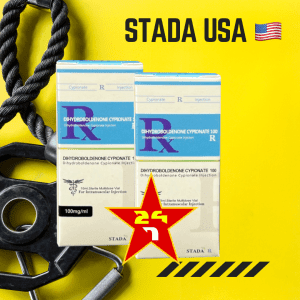
STADA DHB DIHYDROBOLDENONE 100MG 10 ML
Original price was: $ 219.00.$ 109.00Current price is: $ 109.00.

Melanotan refers to a synthetic analogue of the naturally occurring hormone alpha-melanocyte stimulating hormone (α-MSH), which is responsible for stimulating pigment-producing cells called melanocytes. Primarily developed in the 1980s, Melanotan is marketed in two forms: Melanotan I and Melanotan II. While it was initially investigated for its potential to help individuals achieve a sunless tan, it has also been explored for its possible effects on sexual function and appetite suppression due to its influence on the body’s melanocortin receptors. However, its use is controversial and subject to regulatory scrutiny, as it is not approved for widespread use by major health authorities like the FDA or EMA. Concerns particularly revolve around its safety profile, potential side effects—including nausea, increased blood pressure, and changes in mole appearance—and the risks associated with purchasing unregulated products online. Despite these challenges, Melanotan continues to intrigue the public and scientific community, highlighting the need for more extensive research to understand its full effects and potential therapeutic applications.