

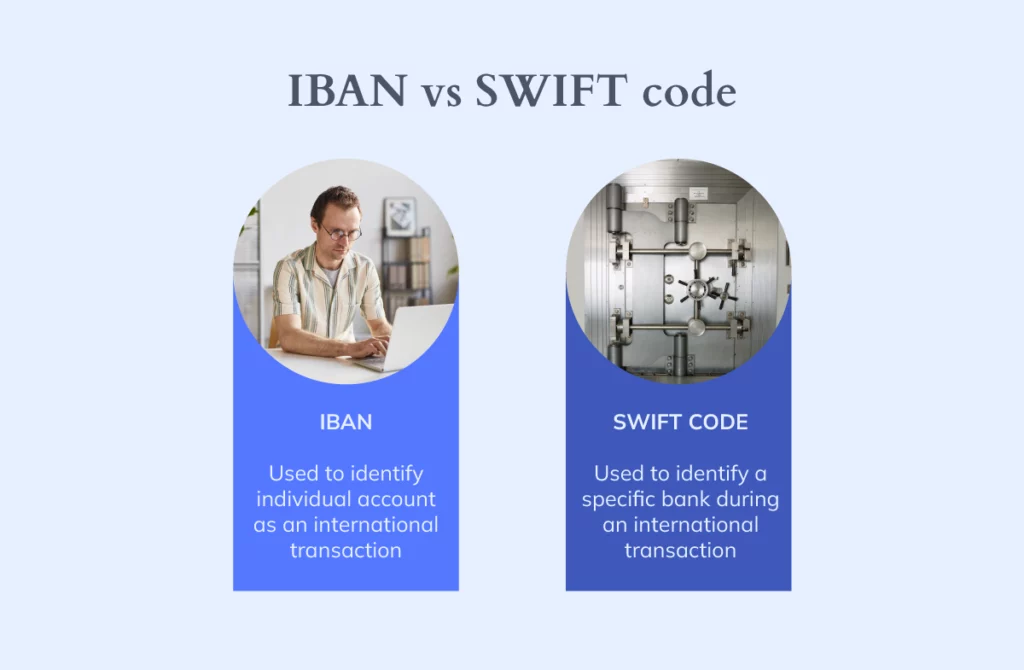
The Evolution of IBAN: Streamlining Global Transactions

The International Bank Account Number, commonly known as IBAN, is a pivotal element in the realm of global finance. Its introduction was a response to the growing necessity for a standardized global system to simplify international transactions and ensure accuracy across borders. This article delves into the concept of IBAN, its structure, importance, and usage in modern banking.
What is IBAN?
An IBAN is a unique identifier assigned to individual bank accounts across the world. It was developed to facilitate the processing of cross-border payments with greater efficiency and reduced errors. The structure of an IBAN comprises up to 34 alphanumeric characters, which include:
- A two-digit country code (e.g., GB for the United Kingdom)
- Two check digits for validation purposes
- A bank code and branch identifier
- The individual’s account number
Why is IBAN Important?
IBAN plays a critical role in international banking by ensuring that funds are sent to the correct bank and account. This reduces the risk of transaction delays or errors, which can be costly and time-consuming for businesses and individuals alike. Moreover, it supports institutions in complying with banking standards and regulations, contributing to a more secure payment environment. 🌎
How is IBAN Used?
When participating in international transactions, the IBAN is exchanged between entities to ensure the accurate transfer of funds. Banks and payment systems utilize the IBAN to validate the destination of a transfer, providing assurance to both the sender and recipient. 📧 This automated verification process minimizes manual intervention, ensuring that the transactions are both efficient and secure.
Conclusion
In an era where global transactions are commonplace, the IBAN serves as an indispensable part of international finance. By standardizing the way bank accounts are identified across borders, it fosters a seamless and secure payment process. Whether you are a business owner engaging in international trade or an individual sending money abroad, understanding the role of IBAN is crucial in navigating the global banking landscape. With an IBAN, you can streamline transactions, ensure accuracy, and enhance the security of international payments. 🌐
FREE SHIPPING
HOT PROMOTIONS!
BIG SALE | FAST SHIPPING
Beligas RETHO Cialis 5mg/100tabs

Original price was: $ 99.00.$ 69.00Current price is: $ 69.00.

CROWX 👑 CIAROW 25 MG / 50 Tabs (Sildenafil)

Original price was: $ 109.00.$ 99.00Current price is: $ 99.00.
CLOMIPHENE TABLETS 50mg 50 TABLETS FIERCE

Original price was: $ 99.00.$ 89.00Current price is: $ 89.00.

TBOL TABLETS 50mg 50 TABLETS FIERCE

Original price was: $ 140.00.$ 139.00Current price is: $ 139.00.



FAQs
What is an IBAN used for?
An IBAN is used to ensure that cross-border transactions are accurately directed to the correct bank account, reducing errors and ensuring compliance with international banking standards.
Do all countries use IBAN?
Not all countries use IBAN. It is primarily used in Europe, the Middle East, North Africa, and some Caribbean nations. However, the concept is spreading as more countries adopt international banking standards. 🏦
How can I find my IBAN?
Your IBAN can typically be found on your bank statements or by logging into your online banking account. Alternatively, you can contact your bank, which can provide your IBAN on request.
For more insights on financial processes and payment systems, keep following our updates. #payment #money #business #payments #bitcoin #cryptocurrency #fintech #finance #paymentsolutions #cash #paymentgateway #ecommerce #paymentsolution #paymentprocessing #paytren #paytm #online #onlinepayment #crypto #smallbusiness #loan #forex #digital #entrepreneur #pay #onlineshopping #bank #follow #invest #paypal
The International Bank Account Number (IBAN) is a standardized system of identifying bank accounts across national borders to facilitate the seamless processing of cross-border transactions. Introduced in 1997, the IBAN was developed by the International Organization for Standardization (ISO) and the European Committee for Banking Standards (ECBS) to simplify international banking and reduce errors. An IBAN consists of up to 34 alphanumeric characters, including a two-letter country code, two check digits, and a basic bank account number (BBAN) that contains the bank’s domestic account number, branch identifier, and routing information. This structured format allows banks and financial institutions to automatically verify the legitimacy of transactions and ensure smoother, more accurate execution of payments globally. By minimizing manual entry and reducing the probability of errors in cross-border transactions, the IBAN system significantly enhances the efficiency and security of international banking operations.