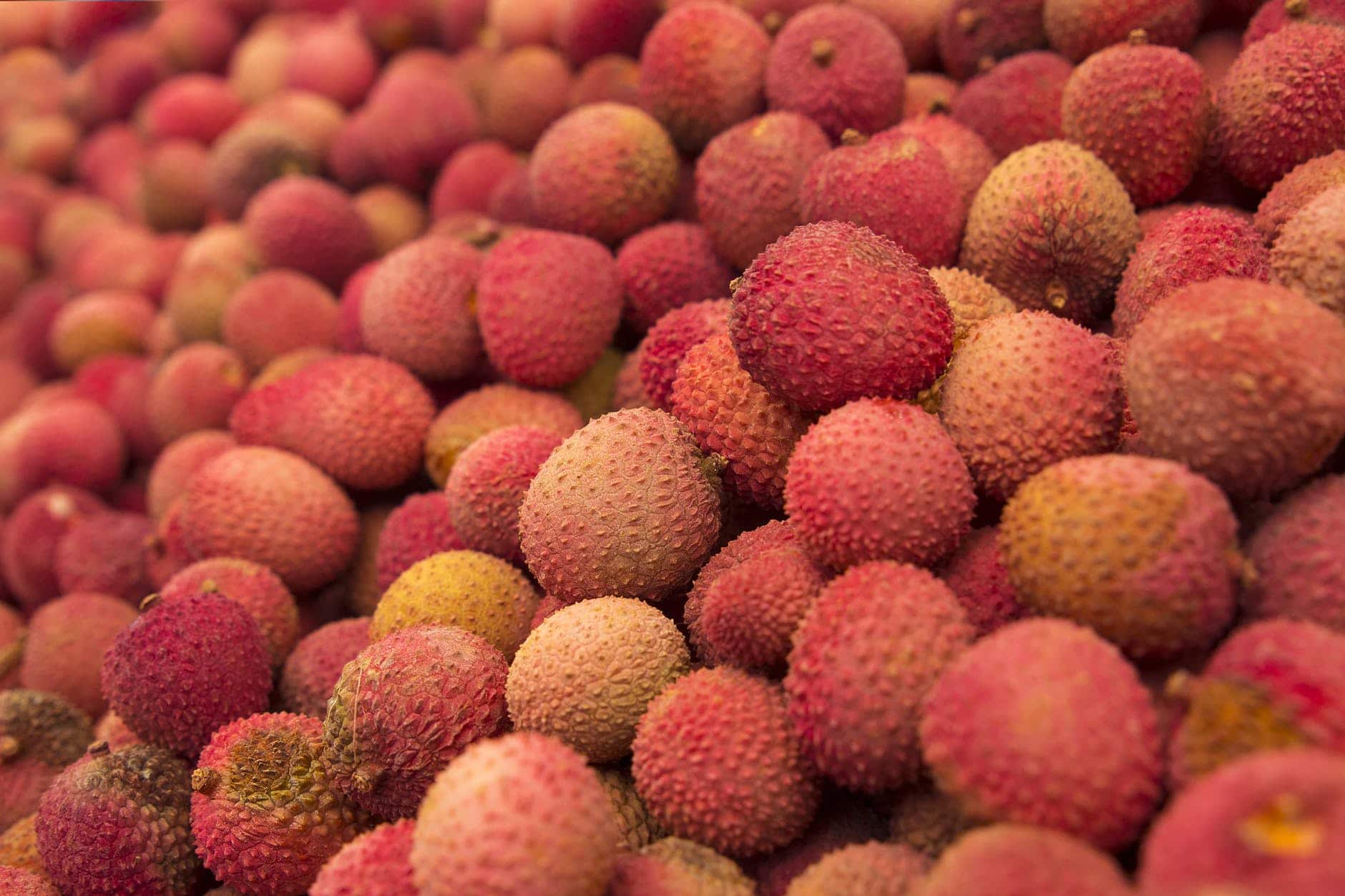
The Exotic Appeal: Unwrapping the Mysteries of the Lychee Fruit
TABLE OF CONTENTS

The litchi lychee, a luscious and exotic fruit, has been tantalizing taste buds across the globe for centuries. Native to the provinces of Guangdong and Fujian in China, this small, round fruit is adored not just for its succulent taste but also for its nutritional benefits. While known as litchi in some parts of the world and lychee elsewhere, the fruit has captivated hearts and palates alike, transcending cultural and geographic boundaries.
Origin and Cultivation of Litchi Lychee
Beginning its journey in China, the litchi lychee has a history that dates back over 2,000 years. It quickly spread to neighboring countries like Vietnam, India, and Thailand, establishing itself as an essential crop in Southeast Asian agriculture. The litchi lychee tree thrives in subtropical climates, requiring an environment with consistent humidity and warmth to flourish. Today, the cultivation of litchi lychee extends beyond Asia, with countries such as South Africa, Australia, and the United States tapping into its growing popularity.
Nutritional Benefits
The litchi lychee is not only praised for its delicate flavor but also for its multitude of health benefits. Rich in vitamin C, this fruit helps bolster the immune system, warding off colds and infections. Additionally, litchi lychee is packed with antioxidants, particularly polyphenols, which are known to protect the body against free radicals. This results in reduced inflammation and a lower risk of chronic illnesses. Nutritional data from Healthline highlights its contributions to better heart health, blood circulation, and digestion, owing to its fiber content.
Culinary Uses
In the culinary world, the litchi lychee offers a refreshing twist to both sweet and savory dishes. Its delicate, fragrant flavor makes it a versatile ingredient. Litchi lychee can be enjoyed fresh, canned, or dried, and is often used in desserts, salads, cocktails, and even main courses. Chefs around the world have incorporated litchi lychee into their culinary masterpieces, creating fusion dishes that celebrate the fruit’s unique taste and texture.
Environmental Impact and Sustainability
While litchi lychee farming can be sustainable, it is essential to be mindful of the environmental impact associated with its cultivation. Sustainable practices can help minimize water use and pesticide application, ensuring that the litchi lychee industry can thrive without compromising the planet’s health. Initiatives for sustainable litchi lychee farming are being championed by organizations focused on environmental conservation.
Conclusion
The litchi lychee is a fascinating fruit that not only offers a burst of flavor and numerous health advantages but also serves as a cultural bridge connecting people worldwide. Its rich history, nutritional profile, and culinary versatility make it a beloved fruit that deserves a special place in our kitchens. As consumers become more conscious of sustainability, the future of litchi lychee looks bright with the potential for eco-friendly cultivation practices.
FAQs
What are the health benefits of litchi lychee?
Litchi lychee is rich in vitamin C and antioxidants, which can strengthen the immune system and reduce inflammation. It also supports heart health and aids digestion due to its fiber content.
Can litchi lychee be grown outside Asia?
Yes, litchi lychee can be cultivated in other regions with suitable climates, such as parts of the USA, South Africa, and Australia.
How can I incorporate litchi lychee into my diet?
Litchi lychee can be added to desserts, salads, and beverages. It can also be enjoyed fresh or as a dried snack.
Yes, the farming of litchi lychee can impact the environment, particularly in terms of water usage and pesticide application. Sustainable farming practices are encouraged to minimize these effects.
BIG SALE | FAST SHIPPING
HOT PROMOTIONS!



Beligas 10ml Vial Testosterone NPP Blend 150mg

Original price was: $ 119.00.$ 99.00Current price is: $ 99.00.






Litchi, also spelled lychee, is a tropical fruit belonging to the soapberry family, Sapindaceae, which has garnered appreciation for its sweet and fragrant flavor. Native to the Guangdong and Fujian provinces of southeastern China, this fruit has been cultivated for over a thousand years and holds immense cultural significance in its region of origin. The litchi fruit is typically round to oval in shape, boasting a rough, textured outer rind that ranges in hue from bright red to pinkish-brown when ripe. Once peeled, its translucent white flesh reveals a fragrant, juicy, and succulent delight with a sweet taste, reminiscent of grapes or pears, coupled with an aromatic floral note. Besides its delicious taste, litchi is rich in vitamin C, antioxidants, and several beneficial nutrients, making it a favored choice among health-conscious individuals. In addition to being consumed fresh, litchis are also enjoyed in canned forms, drinks, desserts, and as an exotic addition to a myriad of culinary creations worldwide.