The Green Wave: How Cannabis is Shaping Modern Medicine
TABLE OF CONTENTS

The safe handling and usage of medication pots, commonly referred to as “pots drugs,” are crucial in ensuring both the effectiveness of the medicine and the safety of the patient. Pots drugs are small containers used in various settings, including hospitals, pharmacies, and homes, to store medications. Proper usage involves not only understanding the medication process but also emphasizes that the same pots drugs should never be reused. This practice can lead to contamination and compromise the efficacy of drugs.
Why You Should Never Reuse Pots Drugs
Reusing pots drugs may seem economical or convenient, but it poses significant health risks. Firstly, cross-contamination is a primary concern. When different medications or dosages are mixed unintentionally, it can result in adverse drug reactions or diminished therapeutic effects. Secondly, reusing pots drugs without thorough sanitation can lead to bacterial growth, which can be hazardous.
Medication instructions often specify precise handling procedures to mitigate risks. This is particularly important in clinical environments where patient safety is paramount. Keeping medication in pristine containers ensures medications are not only safe from contamination but also stored under ideal conditions to preserve their properties.
The Role of Healthcare Professionals
Healthcare professionals play an integral role in managing pots drugs. They are tasked with ensuring that medications are stored in safe, sterile containers and educating patients and staff about the risks of improper storage. Detailed guidelines and inventory management protocols are often in place to prevent the reuse of pots drugs. This ensures that each patient receives their medication in a container that has been sanitized and is free from contamination.
Ensuring Proper Use in Home Settings
In home settings, it’s especially important for individuals to heed guidelines for pots drugs. Patients should consult with pharmacists or healthcare providers about the proper storage and disposal of their medication containers. The common practice is to use single-use containers that are disposed of after the full dosage has been administered. This minimizes any potential for contamination or dosage errors.
Adopting these practices might initially take time and effort, but they are essential. It’s part of fostering a proactive approach to one’s health and ensures medications function as intended without inadvertently introducing health risks.
BIG SALE | FAST SHIPPING
HOT PROMOTIONS!
FIERCE CLOMID 50MG 50CAPS
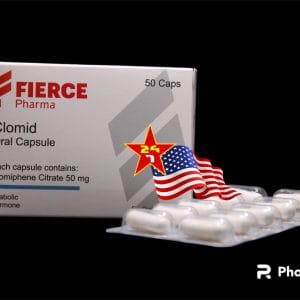
Original price was: $ 129.00.$ 119.00Current price is: $ 119.00.


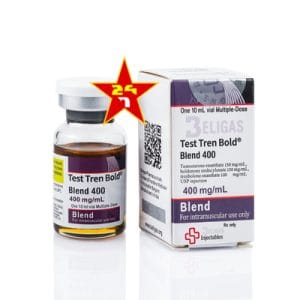

Beligas 10ml Vial Testosterone NPP Blend 150mg

Original price was: $ 119.00.$ 99.00Current price is: $ 99.00.
STADA MEGA CUTS BLEND 300 MG 10ML (TRENBOLONE)
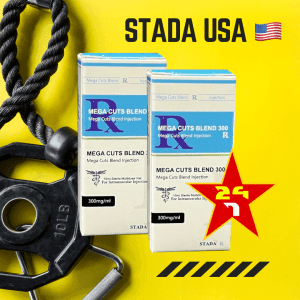
Original price was: $ 129.00.$ 119.00Current price is: $ 119.00.
Conclusion
Proper handling of pots drugs is vital for maintaining the safety and effectiveness of medications. Healthcare settings have stringent controls in place, but it is equally important for individuals in home settings to understand and implement similar practices. Never reusing pots drugs ensures medications are less likely to be contaminated and are safe for ingestion.
By adopting these practices, you can help maintain the purity and efficacy of medications, thereby safeguarding health. For further guidance on medication storage and best practices, consult with healthcare professionals and access reliable sources like Healthline and WebMD.
FAQs
What are pots drugs?
Pots drugs refer to small containers used to store medications safely. They are designed to protect medications from contamination and ensure they remain effective.
Why is it unsafe to reuse pots drugs?
Reusing pots drugs can lead to cross-contamination and bacterial growth, potentially compromising medication safety and efficacy.
How should I dispose of pots drugs?
Follow local guidelines for the disposal of medical containers. Generally, it involves proper sealing and disposing of them as per protocols for medical waste.
Can I clean and reuse pots drugs at home?
It’s not recommended due to the risk of contamination. Always use sterile, single-use containers for medications.
For more information, consider consulting professional medical advice or visiting reliable websites like The Mayo Clinic and WebMD.
“Pots” refers to a colloquial term for marijuana, a widely used psychoactive substance derived from the Cannabis plant. The drug is treasured and stigmatized in equal measure, being hailed for both its medicinal properties and recreational uses. When consumed, marijuana’s main active component, THC, interacts with the brain’s endocannabinoid system, inducing effects such as euphoria, altered perceptions, and relaxation. While several countries and many U.S. states have decriminalized or legalized its use, aiming to harness its therapeutic applications and regulate its consumption, controversy continues to surround its potential for abuse and cognitive effects on long-term users. As research advances, marijuana remains at the center of societal debates about medicine, law, and personal freedom, making it one of the most discussed and analyzed substances in contemporary discourse.